Adding Actives to Lotion: Solubility, Stability, and Formulation Challenges
Question
I plan to add multiple powdered active ingredients, including GlucoBright, Pure MSM, Vitamin B6, Copper PCA, AminoMatte, Sebum-Reg, Vitamin B5, Vitamin B3, and Licorice A 20%, totaling about 64g (32% of the original weight), to 200ml of Bioderma Sebium lotion to enhance oil control and other benefits. Do I need to adjust the formula, add/reduce ingredients, or add a solvent, especially since the lotion is already quite liquid? Are there any other recommendations for this modification?
Answer
Formulation Assessment and Recommendations
Based on your plan to add several active ingredients to your Bioderma Sebium lotion to enhance oil control, here is an assessment of your proposed formulation and some recommendations.
You are planning to add a significant amount of powdered ingredients (totaling 64g) to 200ml (approximately 200g) of lotion. This means you are adding 32% of the original lotion's weight in solid form.
1. Do you need to adjust, add/reduce ingredients, or add solvent?
Yes, adjustments are definitely needed:
- Solvent: Adding 64g of powder to 200g of liquid will drastically change the consistency of the lotion. It will become much thicker, potentially turning into a paste or solid. You will need to add a solvent, likely water or a water/glycol mix, to maintain a usable lotion consistency. Your plan to not add solvent is not feasible with this amount of added solids.
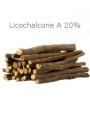
- Licorice A 20%: The product description for Hi-LiconeA™ Licorice Extract (Licochalcone A 20%) states that it is not soluble in water. It must be dissolved in a glycol (such as Propylene Glycol) before being added to the water phase of a formulation. You will need to incorporate a glycol solvent into your plan specifically for this ingredient.
- Usage Rates:
- Your proposed usage rate for Copper PCA is 1.5%, but the recommended maximum usage rate is 1.0%. You should reduce the amount of Copper PCA to stay within the recommended limit.
- Your proposed usage rate for Licorice A 20% is 1.5%, but the recommended maximum usage rate is 0.3%. This is a significant overdose and should be reduced to the recommended level (0.1-0.3%). Using it at 1.5% is not recommended and could potentially cause irritation or other issues, besides being difficult to dissolve properly.
- Ingredient Compatibility and Mixing: Several ingredients have specific pH requirements for solubility and stability:
- Vitamin B6 is unstable at pH above 6 and sensitive to heat (>40°C).
- AminoMatte™ (Sarcosine) and Sebum-Reg™ (Capryloyl Glycine) dissolve best in water at a pH higher than 7, but function best at pH 4-6. This means you would typically dissolve them at high pH, then adjust the final formula pH down.
- Combining these creates a challenge, as dissolving AminoMatte and Sebum-Reg at high pH could degrade Vitamin B6. A careful mixing procedure involving dissolving ingredients separately and then combining phases while controlling the overall pH would be necessary.
2. Additional Advice
- Consistency Impact: Be prepared for the texture of the lotion to change significantly even if you add solvent. Adding a large percentage of active powders can affect the stability and feel of the original emulsion.
- Stability and Preservation: Modifying a finished commercial product by adding raw ingredients is generally not recommended. Commercial formulations are complex and carefully balanced for stability and preservation. Adding new ingredients can disrupt the emulsion, cause separation, affect the preservative system's efficacy (potentially leading to microbial growth), and reduce the shelf life.
- Efficacy: While the ingredients you selected are known for oil control, their effectiveness in a modified finished product can be unpredictable due to potential interactions with the original lotion's ingredients or issues with solubility and stability in the final mixture.
- Mixing Procedure: If you proceed, you must carefully consider the mixing order and pH adjustments for each ingredient, especially those with conflicting requirements like Vitamin B6, AminoMatte, and Sebum-Reg. Dissolving Licorice A 20% in glycol first is essential.
- Patch Testing: Always perform a patch test on a small area of skin before applying the modified lotion to your face to check for any irritation or adverse reactions.
- Alternative Approach: For better control over the formulation, stability, and efficacy, it is generally recommended to create a formulation from scratch using a suitable base or individual raw materials, rather than modifying a finished product.
In summary, you need to significantly revise your plan to include adding solvent (water/glycol), reduce the percentages of Copper PCA and Licorice A 20% to their recommended maximums, and carefully consider the mixing procedure to handle ingredients with different solubility and pH requirements. Be aware of the inherent risks and challenges of modifying a finished cosmetic product.
Related Products Mentioned
Safe-B3™ (Vitamin B3, Niacinamide)
GlucoBright™ (Acetyl Glucosamine)

Pure MSM™ (Methylsulfonylmethane)

AminoMatte™ (Sarcosine)
Vitamin B6 (Pyridoxine Hydrochloride)
Sebum-Reg™ (Capryloyl Glycine)