Adding Bakuchiol and DMI to Skincare Formula
Question
Can 1% Bakuchiol and 3% Dimethyl Isosorbide (DMI) be added to a skincare formula containing various oils, peptides, ceramides, and water?
Answer
Adding Bakuchiol and DMI to Your Skincare Formula
Based on the ingredients you've listed, it is generally possible to add 1% Bakuchiol and 3% Dimethyl Isosorbide (DMI) to your skincare formulation. Your formula contains a rich blend of oils and other components that are compatible with these ingredients.
Here's what you should consider:
Compatibility: Bakuchiol is oil-soluble and should integrate well with the numerous oils in your formula. DMI is a versatile solvent and penetration enhancer that can help deliver Bakuchiol and other active ingredients into the skin. The proposed concentration of 3% DMI is within the recommended range to enhance the efficacy of actives like Bakuchiol.
Penetration Enhancement: DMI is known to improve the penetration of various active ingredients, which can boost the performance of Bakuchiol and potentially other beneficial compounds in your existing formula, such as peptides and ceramides.
Formulation Considerations:
- Mixing: Bakuchiol should typically be mixed into the oil phase of your formulation. Avoid exposing it to high heat for extended periods; if heating is necessary, keep it below 75°C and for the shortest time possible.
- Stability: Bakuchiol can be sensitive to metal ions and pH. Since your formula contains water, you should check the final pH after adding Bakuchiol and DMI. Ideally, the pH should be below 6.5, preferably in the range of 3.5-6.5, for optimal Bakuchiol stability. Adding a chelating agent like disodium EDTA (around 0.1%) can help protect Bakuchiol from metal ions.
- Odor: DMI has a characteristic ether-like smell. Your formula already contains fragrance, which may help mask this odor.
- Emulsion Stability: Adding new ingredients, especially solvents like DMI, can sometimes affect the stability of an emulsion. You will need to perform stability testing on the final formula to ensure it remains stable over time (no separation, changes in viscosity, color, or odor).
- Packaging: To maintain Bakuchiol's stability, the final product should ideally be stored in a sealed, opaque, and airtight container, away from sunlight and heat.
In summary, incorporating 1% Bakuchiol and 3% DMI into your existing oil-rich, water-containing formula is feasible from a compatibility standpoint and aligns with recommended usage for enhanced penetration. However, successful integration requires careful attention to mixing procedures, pH adjustment, potential use of a chelating agent, and thorough stability testing of the final product.
Related Products Mentioned
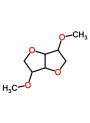
Dimethyl Isosorbide (DMI)