Adding Exfoliating Ingredients to Foot Cream and pH Measurement
Question
I am making a homemade foot cream with the following ingredients:
- Urea
- Shea Butter
- Vaseline
- Cetyl Alcohol
- Stearyl Alcohol
- E Wax
- Jojoba Oil
- Almond Oil
I want to add exfoliating ingredients like AHA or BHA to this formula. I understand that Lactic Acid and Sodium Lactate are different. Could you explain the difference between Lactic Acid and Sodium Lactate and why one is used for moisturizing (Sodium Lactate) and the other for exfoliation (Lactic Acid) when combined with Urea, but Lactic Acid is recommended for exfoliation when used alone?
Also, regarding pH measurement, do I need to buy a pH meter, or can I use litmus paper? Which method is recommended for measuring the pH of the cream?
Answer
Adding Exfoliating Ingredients to Foot Cream
Adding exfoliating ingredients like AHA or BHA to your homemade foot cream formula (which contains Urea, Shea Butter, Vaseline, Cetyl Alcohol, Stearyl Alcohol, E Wax, Jojoba Oil, and Almond Oil) is possible, but the most important factor is controlling the pH level of the formula.
Based on the discussion, increasing the concentration of Urea (e.g., 20% or higher as initially suggested) is the first approach to try, as it provides both moisture and some exfoliating effect.
If you wish to add a direct exfoliant, Lactic Acid is a good option as recommended in the thread. You can try starting with a concentration of around 5% in combination with Urea (e.g., Urea 20% + Lactic Acid 5%).
Considerations when adding acids to the formula
- pH Level: Adding an acid like Lactic Acid will lower the pH of the cream. It is crucial to control the pH to an appropriate range (recommended pH 5-6) for the ingredient to be effective and to minimize irritation, as well as to maintain the stability of your cream emulsion. If the pH is too low (below 3.5 was mentioned as too acidic), it can destabilize the cream. You will need a way to measure pH.
- Lactic Acid vs Sodium Lactate: Lactic Acid is an acid that is effective for skin exfoliation, especially at lower pH. Sodium Lactate is a salt of Lactic Acid with a neutral pH (around 7) and primarily acts as a moisturizer. While Sodium Lactate can have some mild exfoliating effect at higher concentrations (5%+), Lactic Acid is more effective for exfoliation. If you want to add an exfoliant, use Lactic Acid and adjust the pH.
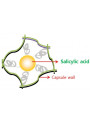
- Other AHA/BHA: Glycolic Acid is another AHA with a smaller molecule, which can exfoliate effectively but may also cause more irritation than Lactic Acid. Salicylic Acid is a BHA that is oil-soluble and good for clearing pores and also has exfoliating properties. Using Glycolic Acid or Salicylic Acid would also require appropriate pH control specific to each ingredient.
Measuring pH
Measuring the pH of your cream is essential when adjusting the formula, especially when adding acids. You can use either pH indicator paper (litmus paper) or a digital pH meter. A digital pH meter generally provides more accurate readings.
In summary, you can add Lactic Acid to your foot cream to help exfoliate, but you must measure and adjust the pH of the final cream to be in the range of 5-6 for safety and effectiveness.
Related Products Mentioned
Sodium Lactate (60% Liquid, Natural)
Salicylic Acid (BHA, Pharma Grade)
Urea (High Purity, Cosmetics, Powder)
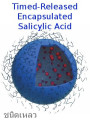
HYDRO-UREA® Liquid (Hydroxyethyl Urea)
Glycopure™ (Glycolic Acid (AHA) Powder)
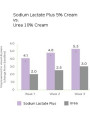
Sodium Lactate Plus
Lactic Acid (AHA) 90%