Adding Honey to Lotion: Methods and Considerations
Question
I want to add honey to my lotion. How can I do this effectively? What are the considerations regarding the type of honey (pure honey vs. extract) and the amount I can add? I am concerned about texture changes like stickiness.
Answer
Adding Honey to Lotion
Yes, you can add honey to lotion, but there are a few things to consider regarding the type of honey and how to incorporate it.
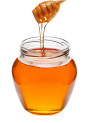
If you are using pure honey, it is very thick and cannot be mixed directly into lotion. As mentioned in the context, you would need to dissolve it in warm water first to make it liquid before attempting to mix it into your lotion base. The amount you can add is not limited by the honey itself, but rather by how much your lotion formula can absorb without becoming too sticky, greasy, or causing separation. You would need to experiment to find the right balance for your specific lotion base.
Alternatively, you can use Honey Extract, which is easier to incorporate into formulations. We found two types of Honey Extract:
- Honey Extract (For Natural Honey Odor, Water-Dispersible): This type is designed to be mixed into the water phase of a formulation. It is typically used at a rate of 0.5-10%.
- Honey Extract (For Natural Honey Odor, Oil-Soluble): This type is designed to be mixed into the oil phase. It is typically used at a rate of 0.1-1.0%.
It is important to note that the specific Honey Extracts found are primarily intended for providing a natural honey scent or for marketing claims. According to the product descriptions, they may not have research-backed efficacy for skin benefits. If you are looking for the therapeutic benefits often associated with honey (like moisturizing or antibacterial properties), using pure honey or a different type of extract specifically standardized for active compounds might be more effective, although incorporating pure honey requires careful formulation adjustments as described above.