Adding Ingredients and Facial Use of Handmade Oil-Based Soap
Question
Questions about Adding Ingredients and Facial Use of Handmade Oil-Based Soap
I have some questions regarding the properties and usage of handmade soap made from oils and lye:
- Is it correct that extracts that are not stable in alkaline conditions (like many whitening agents, anti-aging, or acne treatments) cannot be effectively added to this type of soap? We need to check if the ingredient reacts positively or negatively when mixed, right? I've seen some people add Vitamin E or other chemical extracts; is it necessary to check compatibility first? Or are these extracts only effective if the soap's pH is adjusted to 5.5?
- If powdered herbs or natural plant materials are added to soap, will they not provide any nourishment because the skin only absorbs liquid substances? I've seen foreign bloggers add various powders; does this mean their effectiveness might not be full? Would it be better to extract juice from these natural plants and use it as an ingredient instead of distilled water or rainwater to improve effectiveness?
- Can natural plants with high acidity, such as lemon juice, be added to soap? Will it prevent the soap from hardening?
- Is handmade soap made from oil and lye not suitable for washing the face if its pH is not 5.5?
- Is this type of handmade soap suitable for people with oily skin because of its high alkalinity?
Answer
Understanding Handmade Soap Making
Here is a summary addressing your questions about handmade soap made from oils and lye:
Adding Alkaline-Sensitive Extracts: You are correct that many active ingredients, especially water-soluble ones, are sensitive to the high alkalinity of traditional handmade soap and will lose their effectiveness. Oil-soluble ingredients like Vitamin E (Tocopheryl Acetate) are generally more stable in this environment. The high pH of traditional soap is why many beneficial extracts and vitamins are not effective when added.
Powdered Herbs/Natural Ingredients: Undissolved powdered ingredients in soap will not be absorbed by the skin and therefore won't provide nourishment. While using plant juice or extract instead of water might seem beneficial, the staff notes that whether it provides any actual skin benefit depends on numerous factors specific to the plant and the extraction method, including the stability of the beneficial compounds in the soap environment (e.g., Vitamin C from orange juice is highly unstable).
Acidic Natural Ingredients (like Lemon Juice): Adding highly acidic ingredients like lemon juice can interfere with the soap's hardening process by lowering the pH. As with other natural additives, whether it provides any skin benefit in the final soap product depends on many factors.
Suitability for Face Washing (pH): Traditional handmade soap typically has a high pH (significantly higher than 5.5). The staff confirms that any product with high alkalinity is generally not suitable for washing the face, regardless of skin type.
Suitability for Oily Skin: This type of soap is not suitable for oily skin because of its high alkalinity. High pH products are harsh and can strip the skin, potentially leading to dehydration and even causing the skin to produce more oil in response. High alkalinity is not beneficial for facial skin, whether dry or oily.
In summary, while handmade oil-based soap is a popular craft, its high pH limits the types of beneficial ingredients that can be effectively incorporated and makes it generally unsuitable for the delicate skin of the face.
Related Products Mentioned
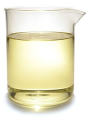
Vitamin E (Tocopheryl Acetate)
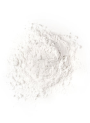
Vitamin C (L-ascorbic acid) (Ultra-Fine)