Adding Ingredients for Inflammatory Acne to Gel Base and pH Adjustment
Question
I am developing a gel formula using Salicylic Acid EZ.
- I want to add ingredients that help with inflammatory acne (red, swollen pimples). Which ingredients are suitable?
- Can I use lime water (Calcium Hydroxide solution) to adjust the pH instead of Triethanolamine?
Answer
Active Ingredients for Inflammatory Acne
While Salicylic Acid EZ is excellent for dissolving clogged pores and preventing new ones, it doesn't directly treat inflammatory acne (red, swollen pimples). For inflammatory acne, you need ingredients with antibacterial and anti-inflammatory properties. Several ingredients can help with this:
- Liquid Azelaic™: Helps reduce oiliness, control sebum production, and has skin brightening effects which can help with post-inflammatory hyperpigmentation.
- Nano Silver 20nm Powder: Known for its antibacterial properties.
- Water Soluble Tea Tree Oil: Has antibacterial effects, particularly against acne-causing bacteria.
- Centella Asiatica Extract (Madecassoside 7%, Liquid): Helps reduce inflammation and redness, and supports wound healing, which can help with acne marks.
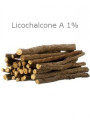
- Licorice Extract (Licochalcone A 1%, Water-Soluble): Reduces inflammation, redness, and irritation, and can help control skin oiliness.
- Calendula Extract (Water Soluble): Offers anti-inflammatory benefits, reduces redness, and supports wound healing.
- Allantoin: Known for reducing irritation and promoting tissue regeneration.
- Phyto Glycyrrhetinic Acid: Extracted from licorice, it has strong anti-inflammatory and anti-irritant effects.
- Vitamin B3 (Safe-B3™): Already in your suggested formula, it helps reduce inflammation, redness, and oiliness, and strengthens the skin barrier.
- Panthenol (Vitamin B5): Also in your suggested formula, it helps moisturize, reduce inflammation, and support skin healing.
Combining Ingredients
It is possible to combine some of these ingredients with your Salicylic Acid EZ gel base. Many of the suggested ingredients are water-soluble or dispersible and can be incorporated into a gel formula. However, some ingredients like White Egg Enzyme (Acnezyme™) are not compatible with anionic thickeners like Carbomer.
While combining multiple actives into one formula is possible, it can sometimes be complex due to potential interactions or optimal pH ranges for each ingredient. For treating inflammatory acne spots, it might be more effective to create a separate spot treatment product specifically formulated with higher concentrations of anti-inflammatory and antibacterial ingredients. This allows you to target the specific issue without affecting the overall face treatment product.
Lime Water vs. Triethanolamine for pH Adjustment
Regarding using lime water (Calcium Hydroxide solution) instead of Triethanolamine for pH adjustment, it is generally not recommended for cosmetic formulations. While Calcium Hydroxide can increase pH, the calcium ions in lime water can potentially interfere with other ingredients in your formula, leading to instability or reduced effectiveness. Cosmetic formulations typically use deionized water to avoid such interference from ions. Triethanolamine is a standard and reliable ingredient for adjusting pH in cosmetic gels and creams, and it is generally preferred for consistency and stability.
In summary, you have several good options for treating inflammatory acne. You can potentially add some compatible ingredients to your existing gel formula, but creating a separate spot treatment might offer better targeted results. It is best to continue using Triethanolamine for pH adjustment in your cosmetic formulations rather than lime water.
Related Products Mentioned
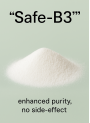
Safe-B3™ (Vitamin B3, Niacinamide)

Allantoin
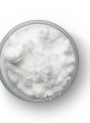

Calendula Extract (Water Soluble)
Triethanolamine 99%

Tea Tree Oil (Water Soluble)


White Egg Enzyme (Acnezyme™)
Carbomer 940 (EasyDisperse™, France)

Salicylic Acid EZ™ (ชนิดละลายน้ำ)
Nano Silver 20nm Powder

Phenoxyethanol SA (eq. Optiphen Plus)
Glycyrrhetinic acid (Enoxolone)
