Adding Ingredients to Glycerin Soap Base and Multi-Benefit Facial Formula
Question
- For a glycerin soap base, what is the appropriate percentage to use for the following ingredients to achieve suitability and effectiveness?
- Sodium Lactate
- Sodium PCA
- Urea
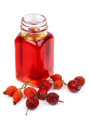
- Rose Hip Oil (Extra Virgin Organic Fresh)
- I want to create a facial cosmetic formula that provides the best and fastest results for multiple concerns: whitening, anti-aging, anti-acne, moisturizing, and smoothing. What ingredients or formula approach would you recommend?
Answer
Cosmetic Formulation Advice
Thank you for your questions regarding your soap formula and facial cosmetic needs.
Soap Formula Analysis (80g)
You listed Glycerin, Sodium Lactate, Sodium PCA, Urea, Rose Hip Oil, rose scent, and pink color for an 80g formula. As noted previously, this list contains beneficial additives but lacks a primary cleansing agent needed to make a functional soap. These ingredients are best used by adding them to a pre-made soap base, such as a glycerin melt-and-pour soap base.
Let's address your specific questions about using these ingredients:
- Compatibility: Yes, Glycerin (as a base), Sodium Lactate, Sodium PCA, Urea, and Rose Hip Oil are generally compatible when added to a suitable soap base. You would typically incorporate the water-soluble ingredients (Sodium Lactate, Sodium PCA, Urea) and the oil-soluble ingredient (Rose Hip Oil) into the melted soap base.
- Suggested Percentages: When adding these to a glycerin soap base (which forms the bulk of the 80g), use the following typical ranges. The soap base would make up the remaining percentage (e.g., 85-90%).
- Sodium Lactate (60% Liquid): 2-10% (3-5% is common for moisturizing).
- Sodium PCA (50%): 0.5-2%.
- Urea: 3-20% (3-5% for moisturizing; 10-20% for exfoliation). Note that Urea can increase pH over time and may need stabilization.
- Rose Hip Oil: 1-5% (in the oil phase, so when adding to soap, a few percent is usually sufficient). Too much oil can reduce lather.
- Glycerin (as the soap base): The remainder, typically 85-90%.
- Scent and Color: Add according to supplier recommendations, usually a small percentage.
- Properties and Effectiveness: A soap incorporating these ingredients will focus on moisturizing and skin conditioning. Sodium Lactate, Sodium PCA, and Urea are components of the skin's Natural Moisturizing Factor (NMF) and significantly boost hydration, helping with dryness and roughness. Rose Hip Oil adds nourishing and repairing benefits. Urea (especially at higher levels) and potentially Sodium Lactate can provide gentle exfoliation. While these ingredients offer benefits, the primary function is cleansing. The moisturizing and exfoliating effects will be less pronounced than in leave-on products but will help mitigate the drying effect of cleansing and leave skin feeling softer.
- Other Ingredients for Whitening Soap: To enhance skin whitening in a soap, consider adding ingredients suitable for rinse-off products known for brightening. Examples include:
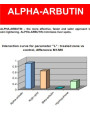
- Alpha Arbutin
- Kojic Acid
- Vitamin C derivatives
- Niacinamide
- Licorice Extract
Keep in mind that the contact time in soap is short, which limits the effectiveness of active ingredients compared to leave-on products.
Facial Cosmetic Formula Recommendations
Achieving the "best" and fastest results for multiple concerns (whitening, anti-aging, anti-acne, moisturizing, smoothing) often requires a targeted approach, potentially using multiple products or carefully selected ingredients that work well together. Here are some key ingredients for each concern:
- Skin Whitening, Pinkish Glow, Clarity: Look for ingredients like Alpha Arbutin, Vitamin C, and Niacinamide.
- Reduce Wrinkles and Roughness: Consider Niacinamide, Hyaluronic Acid, and potentially Peptides or gentle exfoliating acids.
- Reduce/Prevent Acne and Inflammation: Salicylic Acid (BHA) is effective for acne. Niacinamide also helps with inflammation and barrier function.
- Smooth, Soft, and Moisturized Skin: Hyaluronic Acid, Sodium PCA, Sodium Lactate, Urea (at lower concentrations), and various moisturizing oils and emollients are beneficial.
A possible approach is to create a serum or cream base and add a combination of these ingredients. For example, a serum could contain:
- A base (e.g., Hyaluronic Acid Gel Base or a simple water/glycerin/thickener base)
- Niacinamide (for multiple benefits: barrier, anti-inflammatory, anti-aging, brightening)
- Alpha Arbutin (for whitening)
- Hyaluronic Acid (for hydration)
- Salicylic Acid (if acne is a primary concern, ensure compatibility with other ingredients and pH)
Remember to always check the recommended usage rates and formulation guidelines for each specific ingredient on the product page. Formulating requires careful consideration of ingredient compatibility, pH, stability, and preservation.
Related Products Mentioned
Alpha Arbutin (Switzerland)
Safe-B3™ (Vitamin B3, Niacinamide)
Sodium Lactate (60% Liquid, Natural)
Salicylic Acid (BHA, Pharma Grade)
Urea (High Purity, Cosmetics, Powder)
Sodium PCA 50%