Adding Multiple Actives to Hyaluronic Serum & Compatibility with Vitamin C 20%
Question
I want to mix ingredients into a 100ml Hyaluronic Acid serum base. Can I add the following ingredients, and if so, at what percentage?
- Vitamin B3 4%
- Sea Kelp Bioferment 10%
- DMAE 4%
- N-Acetyl-D-Glucosamin
- Pine Bark Extract
- Indian Gooseberry Extract (มะขามป้อม)
- Licorice Extract
Also, if I make a Vitamin C 20% serum as recommended, can I apply the custom serum (containing the above ingredients) immediately after? I've heard that Vitamin B3 is not stable in acidic conditions. Can they be applied consecutively?
Answer
Adding Ingredients to Hyaluronic Acid Serum (100ml)
Yes, you can add the ingredients you mentioned to a Hyaluronic Acid base. These ingredients are generally water-soluble and compatible with a serum formulation.
Here are the recommended usage rates for the ingredients you listed, based on product information:
- Vitamin B3 (Niacinamide): Your proposed 4% is within the recommended range of 1-10%. Products like Safe-B3™ or Extreme-B3™ are suitable.
- Sea Kelp Bioferment (Sea Kelp Extract): Your proposed 10% is at the higher end of the recommended 1-10% range. While possible, using 10% may result in a noticeable marine or "fishy" odor. A recommended usage rate for skin and hair care is typically 1-3% to avoid this issue while still providing benefits.
- DMAE: Your proposed 4% is within the general range of 1-10%, but slightly above the commonly recommended 3%. Usage rates above 5% may cause skin irritation or a sticky feeling. For sensitive skin or beginners, starting at 3% is advisable. You can increase gradually if well-tolerated.
- N-Acetyl-D-Glucosamine (GlucoBright™): The recommended usage rate is 1-8%. It works synergistically with Niacinamide for skin brightening and hydration. Using 2-4% in combination with 4% Niacinamide is a common and effective approach.
- Pine Bark Extract (French Pine Bark Extract): The recommended usage rate is 0.1-5%, with 1-2% being a common recommendation. Higher concentrations can significantly impact the color of the serum.
- Licorice Extract: For a water-soluble extract like Licorice Extract (Glabridin 4.5%), the recommended usage rate is typically 1-2%.
- Indian Gooseberry (มะขามป้อม): We do not have specific product information for Indian Gooseberry extract in our database. You would need to source a suitable extract and follow the manufacturer's recommended usage rate.
When adding these ingredients to your 100ml base, ensure the total percentage of added ingredients does not exceed the capacity of your base and that the final formulation has a stable pH, ideally within the optimal range for Niacinamide (pH 4.0-7.0) and N-Acetyl-D-Glucosamine (pH 3-7).
Applying After Vitamin C 20% Serum
Regarding applying this serum after a Vitamin C 20% serum, it's generally recommended to be cautious due to the potential interaction between Niacinamide and low pH Vitamin C (Ascorbic Acid).
Vitamin C serums, especially at high concentrations like 20%, are typically formulated at a low pH (around 2.5-3.5) for stability. Niacinamide is most stable at a pH between 4.0 and 7.0. When Niacinamide is exposed to a low pH environment, it can convert into Niacin (Nicotinic Acid). This conversion can cause temporary skin flushing, redness, and tingling.
To avoid this potential reaction, you have a few options:
- Apply at Different Times: Use your Vitamin C serum in the morning and your custom serum (containing Niacinamide, etc.) in the evening.
- Wait Between Applications: If you prefer to use them in the same routine, apply the Vitamin C serum first, wait 15-30 minutes (or until the skin's pH has returned closer to normal), and then apply your custom serum. This allows the skin's pH to buffer before the Niacinamide product is applied.
While some high-purity Niacinamide products are designed to minimize flushing from impurities, the conversion caused by low pH is a separate issue. Therefore, separating the application or allowing time between steps is the safest approach.
Related Products Mentioned
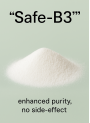
Safe-B3™ (Vitamin B3, Niacinamide)
Sea Kelp Extract
GlucoBright™ (Acetyl Glucosamine)