Adding Multiple Antioxidants to Existing Cream for Anti-Aging
Question
I have an existing cream that already contains Vitamin E (Tocopheryl Acetate). I would like to add several other antioxidant ingredients to enhance its anti-aging properties. Can I add the following ingredients to my cream?
- Lycopene
- OPCs
- CoQ10
- Quercetin
- Isoflavones
- Lutein
The staff also suggested adding Perfect-C (Ascorbyl Tetraisopalmitate). Is it possible to add all or some of these ingredients? What are the considerations regarding concentration and compatibility when adding multiple antioxidants to a cream?
Answer
Adding multiple beneficial ingredients, such as antioxidants, to your existing cream to enhance its anti-aging properties is generally possible. As the staff mentioned, incorporating several different types of ingredients is not harmful, provided that the total concentration of all added ingredients is carefully considered. Reducing the concentration of each individual ingredient below its maximum recommended usage rate is advisable. This helps prevent the cream from becoming too heavy or sticky and ensures there is sufficient room in the formulation for all components to remain stable and effective.
Your current cream already contains Vitamin E (Tocopheryl Acetate), which is a known antioxidant. You are interested in adding several other antioxidants: Lycopene, OPCs, CoQ10, Quercetin, Isoflavones, and Lutein.
Based on the product information available:
- Vitamin E (Tocopheryl Acetate) is already present in your cream and functions as an antioxidant.
- CoQ10 (Coenzyme Q10) is available in both oil-soluble and water-soluble forms. It is effective against free radicals and helps repair skin damage caused by UV light, reducing wrinkles and accelerating skin renewal.
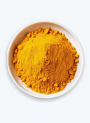
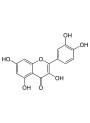
- Quercetin is available as an extract (Hi-Quercetin®) and a pure powder (Pure-Quercetin™). It has strong antioxidant, anti-inflammatory, and anti-allergic properties, can help prevent scarring, and may stimulate collagen production. Note that Hi-Quercetin® is dark yellow and can color the formula, potentially making skin appear yellow temporarily at higher concentrations.
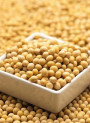
- Isoflavones are available as a water-soluble encapsulated form (Isoflaqua™). Soy isoflavones can stimulate collagen, help with skin brightening by inhibiting melanin, improve moisturization by enhancing the skin barrier, and have anti-inflammatory effects.
While you are interested in Lycopene, OPCs, and Lutein, specific products for these ingredients were not clearly identified in the search results.
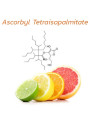
The staff also suggested considering ingredients from other anti-aging groups, such as Vitamin C derivatives. Perfect-C™ (Ascorbyl Tetraisopalmitate) was specifically recommended. This is an oil-soluble form of Vitamin C known for its stability and effectiveness in skin brightening, reducing UV damage, acting as an antioxidant, and stimulating collagen synthesis. It is absorbed well into the skin.
When adding these ingredients to your cream, it is important to consider their solubility (oil-soluble vs. water-soluble) and follow the recommended mixing instructions and usage rates for each specific product. Always start with lower concentrations when combining multiple active ingredients and observe how they affect the cream's texture and stability.
Here are some of the products discussed:
Related Products Mentioned
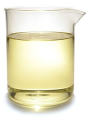
Vitamin E (Tocopheryl Acetate)
Pure-Quercetin™ (98% Purity, Powder)