Adding Niacinamide, Glucosamine, and Hydrolyzed Collagen to Vitamin C E Ferulic Serum Kit
Asked by: kkclinic.joe
On: October 11, 2013
Product Type:
Cosmetics
Answered
Question
Is it possible to add Vitamin B3 (Niacinamide), Glucosamine (Acetyl Glucosamine), and Hydrolyzed collagen to the Vitamin C E Ferulic Pre-Mix Kit? What are the considerations and potential issues?
Answer
Adding Ingredients to Vitamin C E Ferulic Pre-Mix Kit
Regarding your question about adding Vitamin B3, Glucosamine, and Hydrolyzed collagen to the Vitamin C E Ferulic Pre-Mix Kit, it is generally possible, but there are important factors to consider based on the properties of these ingredients and the pre-mix kit.
- Vitamin B3 (Niacinamide) and Glucosamine (Acetyl Glucosamine): These ingredients can be beneficial for the skin. Niacinamide (such as Safe-B3™ or Extreme-B3™) helps reduce wrinkles, redness, hyperpigmentation, improves skin barrier function, and controls oiliness. Acetyl Glucosamine (such as GlucoBright™) helps with whitening, reducing dark spots, stimulating hyaluronic acid production for moisture, and gentle exfoliation. Research shows that Niacinamide and Acetyl Glucosamine work well together for skin brightening. Both are water-soluble and can be added to the water phase of a formulation.
- Hydrolyzed Collagen: While it can provide some hydration and film-forming properties, as the staff mentioned, applying Hydrolyzed Collagen topically has limited ability to integrate with the skin's natural collagen. It may also cause a sticky texture, especially at higher concentrations. Ingredients that stimulate the skin's own collagen synthesis are generally considered more effective for improving skin structure. Examples include certain peptides like Palmitoyl Tripeptide-5 (Pep®-Coll) or ingredients like Matrixyl 3000.
- Compatibility and pH: This is a critical point. The Vitamin C E Ferulic kit uses Ascorbic Acid, which requires a low pH (typically around 2.5-3.5) to remain stable and effective. Niacinamide and Acetyl Glucosamine are most stable and effective at a higher pH range (around 4.0-7.0). Mixing ingredients with such different optimal pH levels can lead to:
- Reduced effectiveness of Vitamin C or the added ingredients.
- Instability of the formulation (e.g., changes in color, texture, or separation).
- Potential for increased skin irritation due to the pH conflict.
Recommendations:
- Consider the pH: If you add Niacinamide and Acetyl Glucosamine to the Vitamin C E Ferulic kit, the pH of the final mixture will likely be a compromise, potentially reducing the efficacy of the Vitamin C. It might be better to use these ingredients in separate formulations with appropriate pH levels.
- Adding Ingredients: If you still wish to add them, they are water-soluble powders and should be dissolved in the water phase of your formulation. Start with low concentrations (e.g., Niacinamide 2-5%, Acetyl Glucosamine 2-4%, Hydrolyzed Collagen 1-3%) and observe the stability and texture of the final product.
- Alternative for Collagen: Instead of Hydrolyzed Collagen, consider adding ingredients known to stimulate collagen production, such as peptides.
- Test Stability: After adding any ingredients, monitor the mixture for changes in color, clarity, odor, and texture over time to ensure stability.
In summary, while you can physically add these ingredients, the chemical compatibility, particularly regarding pH, is a significant challenge that might affect the performance and stability of the final product.
Related Products Mentioned
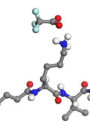
Pep®-Coll (Palmitoyl tripeptide-5)
Cosmetics

Pal-GHK, Pal-GQPR (eq Matrixyl 3000)
Cosmetics

Vitamin C E Ferulic
Cosmetics
Safe-B3™ (Vitamin B3, Niacinamide)
Cosmetics

GlucoBright™ (Acetyl Glucosamine)
Cosmetics
Collagen HP
Cosmetics