Adding Oil Control and Sun Protection to Foundation
Question
I have a favorite foundation that I've been using for a while and I really like it, but my face gets oily all the time, especially during the hot season.
If I want to add oil control to the foundation, can I just split off some of the foundation and mix in these ingredients? Or should I make a separate oil control cream in a different tube?
Here is the ingredient list for the first foundation:
- Water
- Cyclopentasiloxane
- Titanium Dioxide (CI 77891)
- Glycerin
- Butylene Glycol
- ETHYLHEXYL METHOXYCINNAMATE
- Trimethylsiloxysilicate
- PEG-10 Dimethicone
- Zinc Oxide (CI 77947)
- Cyclohexasiloxane
- Phenyl Trimethicone
- Niacinamide
- Butylene Glycol Dicaprylate/Dicaprate
- Cetyl Ethylhexanoate
- Caprylyl Methicone
- Mica (CI 77019)
- Dimethicone
- Camellia Sinensis Leaf Extract
- Citrus Unshiu Peel Extract
- Orchid Extract
- Camellia Japonica Leaf Extract
- Opuntia Coccinellifera Fruit Extract
- Mineral Salts
- Oryza Sativa (Rice) Powder
- Algae Extract
- Salix Nigra (Willow) Bark Extract
- Dicaprylyl Carbonate
- Lauryl PEG-9 Polydimethylsiloxyethyl Dimethicone
- Pentylene Glycol
- Tribehenin
- Magnesium Sulfate
- Vinyl Dimethicone/Methicone Silsesquioxane Crosspolymer
- Disteardimonium Hectorite
- Sorbitan Sesquioleate
- Dimethicone Crosspolymer
- Triethoxycaprylylsilane
- Ethylhexylglycerin
- Adenosine
- Cassia Angustifolia Seed Polysaccharide
- Citric Acid
- Disodium EDTA
- Phenoxyethanol
- Potassium Sorbate
- Fragrance (Parfum)
- Iron Oxides (CI 77492)
- Iron Oxides (CI 77491)
- Iron Oxides (CI 77499)
The ingredient list for the second foundation is incomplete, I found it online and the product owner's website doesn't list it.
I currently have these oil control ingredients:
- RiceSorb™
- Zinc PCA
- Pure MSM™
The sun protection ingredients provided are very few. I've tried other sunscreens but don't like them. Can I add sunscreen ingredients directly to the foundation? If so, which ones should I use?
Thank you in advance to the team.
Answer
Improving Foundation Performance: Oil Control and Sun Protection
Adding ingredients directly to a finished foundation is generally not recommended. Foundations are complex formulations that are carefully balanced for stability, texture, and performance. Adding new ingredients can easily disrupt this balance, leading to separation, changes in texture, reduced effectiveness, or even microbial contamination if not done under controlled conditions with proper preservation.
It is much more advisable to use separate products to achieve your desired results for oil control and sun protection. If you are interested in formulating your own products, you could create a separate oil-control serum or primer to apply before your foundation, and a separate sunscreen.
Oil Control Ingredients
Regarding the ingredients you mentioned for oil control:
- RiceSorb™ (Rice Starch Japanese Rice absorbs oil): This is a rice starch processed to absorb oil from the skin without absorbing water, unlike some other powders. It can provide a soft feel and is suitable for use in makeup or day creams to help control oiliness. It's effective for absorbing sebum.
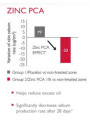
- Zinc PCA: This ingredient is known for its ability to reduce skin oiliness by reducing the production of DHT. It also helps accelerate wound healing (like acne scars), stimulates collagen production, and has anti-dandruff and deodorizing properties. It's highly soluble in water within a specific pH range (4-6).
- Pure MSM™ (Methylsulfonylmethane): Pure MSM is known for oil control by reducing sebum production. At higher concentrations (above 3%), it can also act as an exfoliant and is used in acne products. It can also support collagen synthesis. Note that it's not suitable for use with Vitamin C in the same formula as it may accelerate Vitamin C oxidation.
These ingredients are effective for oil control and can be incorporated into formulations like serums, gels, or creams designed specifically for this purpose, to be used before your foundation.
Sun Protection
For increasing sun protection, your foundation already contains physical sunscreen ingredients like Titanium Dioxide and Zinc Oxide, along with a chemical filter (Ethylhexyl Methoxycinnamate). Adding more sunscreen ingredients to the finished foundation is difficult to do evenly and safely, and it's hard to know the resulting SPF level.
- Titanium Dioxide 200nm EasyDisperse™: This is a type of Titanium Dioxide treated to disperse easily in silicone or oil. It provides UV protection, primarily against short-wave UVA and both short- and long-wavelength UVB. This type is suitable for makeup products.
- Zinc Oxide 200nm EasyDisperse™: This is a type of Zinc Oxide coated to disperse easily in silicone. It acts as a physical sunscreen, providing good protection against long-wave UVA. Zinc Oxide and Titanium Dioxide are often used together in sunscreens to provide broad-spectrum protection.
To ensure adequate sun protection, it is best to apply a dedicated sunscreen product with a sufficient SPF (SPF 30 or higher) as the final step of your skincare routine before applying makeup. This provides a reliable layer of sun protection without compromising the stability and finish of your foundation.
In summary, while the oil control ingredients you have are effective, and your foundation already contains sunscreen, attempting to mix them into your existing foundation is not recommended. It is better to use separate products or formulate new, stable products like an oil-control primer/serum and a dedicated sunscreen.
Related Products Mentioned

Pure MSM™ (Methylsulfonylmethane)

Zinc Oxide 200nm EasyDisperse™