Adding Sunscreen, Antioxidant, and Preservative to Lip Balm Formula
Question
I am currently formulating a lip balm and would like to add the following ingredients:
- Sunscreen
- Antioxidant to prevent rancidity
- Preservative to prevent microbial growth
Could you please recommend specific ingredients suitable for a lip balm formula for each of these purposes, especially those available for purchase on MySkinRecipes?
Answer
Adding Ingredients to Your Lip Balm Formula
To enhance your lip balm formula with sunscreen, antioxidant, and preservative properties using ingredients available on MySkinRecipes, here are some suitable options:
Sunscreen
For adding sun protection to an oil-based lip balm, oil-soluble sunscreens are typically used. Consider these options:
- SPF Protect Ultra™ III: This is a blend of oil-soluble sunscreens that provides broad-spectrum UVA/UVB protection and is easy to incorporate into oil phases.
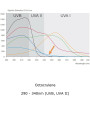
- Individual oil-soluble sunscreens like Octocrylene or Homosalate can also be used, often in combination to achieve desired SPF and broad-spectrum protection.
Antioxidant (to prevent rancidity)
Antioxidants help prevent the oils in your lip balm from going rancid. Suitable oil-soluble antioxidants include:
- Protec™ OX: A highly effective synthetic antioxidant.
- tert-Butylhydroquinone (TBHQ) or Butylated Hydroxyanisole are also effective oil-soluble options.
Preservative (for microbial growth)
Traditional preservatives are needed to prevent microbial growth (bacteria, mold, yeast) in formulas that contain a water phase. If your lip balm is purely oil/wax-based (anhydrous), a preservative for microbial growth is generally not required. However, if you include any water-based ingredients or there's a risk of water contamination, you would need a preservative. For formulas containing a water phase, consider a broad-spectrum water-soluble preservative like:
Remember to always check the usage rates and mixing instructions for each ingredient on the product page before incorporating them into your formula.
Related Products Mentioned
Octocrylene
Homosalate

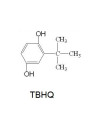
tert-Butylhydroquinone (TBHQ)
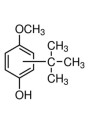
Butylated Hydroxyanisole
SPF Protect Ultra™ III (UVA+UVB)