Adding Sunscreen Ingredients to Lotion/Cream Bases for High SPF/PA
Question
I would like to know about adding sunscreen ingredients to an existing body lotion base and formulating sunscreens.
- Is it possible to add Tris-Biphenyl Triazine (Nano) and DHHB (Diethylamino Hydroxybenzoyl Hexyl Benzoate) to an existing body lotion base to achieve SPF 50 PA++++? What are the considerations?
- Could you provide example formulas for SPF 50 PA++++ sunscreens, including options for face sunscreen formulas? Are face and body sunscreen formulas different?
- If I add 10% Tris-Biphenyl Triazine (Nano) to a face cream, what level of sun protection (SPF/PA) can it provide?
Answer
Adding Sunscreen to Body Lotion
Here is information regarding adding sunscreen ingredients to your body lotion and options for SPF 50 PA++++ formulas:
1. Adding Tris-Biphenyl Triazine (Nano) and DHHB to Existing Body Lotion
While it is technically possible to add sunscreen ingredients like Tris-Biphenyl Triazine (Nano) and DHHB (Diethylamino Hydroxybenzoyl Hexyl Benzoate) to an existing body lotion base, it is generally not the ideal approach for achieving a specific high SPF (Sun Protection Factor) and PA (Protection Grade of UVA) rating like SPF 50 PA++++.
- Texture: Sunscreen formulations are typically designed to be lightweight for comfortable wear, especially in hot weather. Adding sunscreen actives to a standard body lotion base may result in a heavier or greasier texture that is less suitable for sun protection products.
- Solubility: DHHB is a powder that requires dissolution in specific oil-based solvents (such as certain sunscreens or emollients like LipidSoft) to be effective. Your existing body lotion base may not contain sufficient or appropriate solvents to properly dissolve the DHHB.
- Achieving Target SPF/PA: Formulating to achieve a precise SPF 50 PA++++ requires careful calculation, formulation expertise, and testing. Simply adding a certain percentage of sunscreens to an existing base without proper formulation and testing will not guarantee the desired protection level.
Tris-Biphenyl Triazine (Nano) is a liquid dispersion that is easier to incorporate, and DHHB is a powder that needs to be dissolved. While 10% Tris-Biphenyl Triazine (Nano) alone can provide SPF 30 PA+++, achieving SPF 50 PA++++ by adding these to an existing base is complex and the specific proportions cannot be determined without formulation work and testing.
2 & 4. SPF 50 PA++++ Formulas and Face Sunscreen Formulas
Given the challenges of adding sunscreens to an existing base, it is recommended to use a dedicated sunscreen base or formulate a sunscreen from scratch to achieve SPF 50 PA++++ with a suitable texture.
Face and body sunscreen formulas primarily differ in their desired texture; face formulas are typically lighter and less likely to leave a white cast. You can use a high-performance sunscreen base suitable for both face and body, adjusting other ingredients as needed for texture preference.
We offer several sunscreen bases that already provide SPF 50+ PA++++ protection and are designed for a pleasant texture. These can be used as a starting point for your formulation:
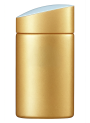
- Fluid Light Sunscreen (Compare to Anessa Perfect UV Sunscreen Skincare Milk N SPF50+/PA++++): A popular base known for its light texture and high protection.
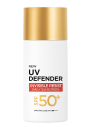
- Light Invisible Sunscreen (SPF50+, PA++++, Compare to Loreal UV Defender Invisible Fluid): A serum-like base offering high protection with a light, non-greasy feel.
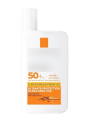
- Fluid Extreme Sunscreen (Ultra High/Broad Protection, Compare to La Roche UVMUNE400): Provides exceptionally high and broad-spectrum UV protection with a light texture.
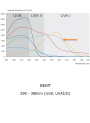
These bases already contain the necessary sunscreen filters, including ingredients like DHHB and BEMT (Bis-Ethylhexyloxyphenol Methoxyphenyl Triazine), formulated for stability and efficacy at SPF 50+ PA++++ levels. You can add other desired skincare ingredients to these bases.
3. Adding 10% Tris-Biphenyl Triazine (Nano) to Face Cream
Yes, adding 10% Tris-Biphenyl Triazine (Nano) to a cream base can provide sun protection. Based on simulator tests, 10% Tris-Biphenyl Triazine (Nano) in a cream or gel formulation can achieve an SPF of 30 and a PA+++ rating.
Related Products Mentioned