Adding Sunscreen to Serum and Formulating for Oily/Acne-Prone Skin
Question
I would like to add sunscreen to my serum. The staff mentioned it's possible but tricky with physical sunscreens and recommended ready-to-use chemical sunscreens like SPF Protect Plus, which can be added to the oil phase.
Could you please provide more details on:
- How to incorporate chemical sunscreens like SPF Protect Ultra™ III (added to oil phase, usage 1-25%) and LipidSoft™ SPF (emollient, added to oil phase) into a serum formulation?
- What considerations are there regarding formulation compatibility and stability, especially if it might require creating an emulsion (lotion/cream) instead of a simple serum?
- Additionally, I am interested in formulating for oily and acne-prone skin. Based on the staff's suggestions, how can I effectively use the following ingredients in a formula for oily/acne-prone skin, and what are their recommended usage rates and phases?
- Zinc PCA (reduces oiliness, helps with acne scars, stimulates collagen)
- Pure MSM™ (oil control, reduces sebum, not recommended with Vitamin C)
- Rice Vitamin (Inositol) (balances moisture/oiliness)
- Licorice Extract (specifically Licochalcone A type - reduces inflammation, redness, irritation, oiliness, acne)
- Green Tea Extract (EGCG type - antioxidant, reduces oil, inflammation, acne)
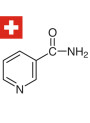
- Niacinamide (Vitamin B3) (reduces oiliness, strengthens skin barrier, reduces inflammation, helps acne)
- Considering the goal of strictly controlling oiliness, should highly moisturizing ingredients like Aloe Vera be reduced or removed, or can they still be beneficial for oily skin that might also be dehydrated or irritated?
Answer
Adding Sunscreen to Your Serum
Yes, you can add sunscreen to your serum formulation. As the staff mentioned, using a ready-to-use chemical sunscreen blend is often easier for beginners compared to physical sunscreens like Zinc Oxide.
- SPF Protect Ultra™ III is a chemical sunscreen blend that provides broad-spectrum protection against both UVA and UVB rays. It is designed to be mixed into the oil phase of your formulation. The usage rate typically ranges from 1% to 25%, with higher percentages providing higher SPF values (e.g., 10% for SPF 20-25, 20% for SPF 50).
- LipidSoft™ SPF is an emollient that can help dissolve chemical sunscreens and improve the skin feel, making the formula less sticky. It is also mixed into the oil phase.
When incorporating sunscreen, you will need to ensure your formula is compatible and stable, which might involve creating an emulsion (like a lotion or cream) rather than a simple serum, depending on the type and amount of sunscreen used.
Adjusting the Formula for Oily Skin
Based on the staff's recommendations and the discussion, several ingredients are beneficial for oily skin:
- Zinc PCA: This ingredient is effective at reducing skin oiliness, helping with acne scars, and stimulating collagen. It is typically used at 0.2-1.0% for oily skin and is mixed into the water phase.
- Pure MSM™: Known for its oil control properties, it helps reduce the production of oil from the sebaceous glands. It is used at 1-5% (3% recommended for oil control) and mixed into the water phase. Note that it is not recommended for use with Vitamin C in the same formula.
- Rice Vitamin (Inositol): This ingredient helps balance skin moisture and oiliness, making it suitable for oily or combination skin to achieve a more balanced state. The recommended usage rate is 2% (range 1-3%), mixed into the water phase.
- Licorice Extract: Certain types of Licorice Extract, like the Licochalcone A type, have properties that reduce skin inflammation, redness, irritation, and oiliness. It can be used at 0.5-1.0% for reducing oiliness and acne, mixed into the water phase.
- Green Tea Extract: Extracts containing EGCG are effective antioxidants that can also help reduce acne by reducing oil production and inflammation. Usage rates vary depending on the concentration of EGCG (e.g., 1-5% for Hi-EGCG™ liquid, 1-2% for Pure-EGCG™ powder).
- Niacinamide (Vitamin B3): This versatile vitamin helps reduce oiliness (sebum excretion), strengthens the skin barrier, reduces inflammation, and can help with acne-prone skin. It is typically used at 1-10% (5% recommended) and mixed into the water phase.
Regarding Aloe Vera, while it is moisturizing and soothing, which can be beneficial for oily skin that is also dehydrated or irritated, the staff suggested reducing or removing highly moisturizing ingredients if the primary goal is to strictly control oiliness. Green Tea Extract and Licorice Extract are often highlighted for their more direct oil-reducing and anti-inflammatory benefits suitable for oily, acne-prone skin.
To create a formula specifically targeting oily skin with sun protection, you could consider incorporating a suitable chemical sunscreen blend like SPF Protect Ultra™ III along with a selection of the oil-controlling ingredients mentioned above, adjusting concentrations based on desired efficacy and compatibility.
Related Products Mentioned

Safe-B3™ (Vitamin B3, Niacinamide)
Aloe Vera Gel (Heavy)

Pure MSM™ (Methylsulfonylmethane)
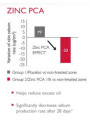
Zinc PCA
Rice Vitamin (Inositol, Vitamin B8)
Hi-EGCG™ (Green Tea Extract)
Aloe Vera Gel (Lite)
Pure-EGCG™ (Green Tea Extract, 98% EGCG)

LipidSoft™ SPF