Adding Sym-White, Soy Extract, and Ectoin to Serum Base
Question
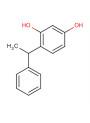
I want to add Sym-White (Phenylethyl Resorcinol) 0.5%, Soy Extract 5%, and Ectoin 2% to a serum base. How should I proceed?
Specifically, I have the following questions:
- If I add Butylene Glycol 3% (to help dissolve Sym-White), should I pre-dissolve Sym-White with Butylene Glycol before adding it to the serum base, or can both be added simultaneously?
- Will adding an additional 3% Butylene Glycol make the serum sticky?
- Is it possible to add Ectoin 2% to the serum base?
Answer
Adding Ingredients to Your Serum
Based on your serum formulation and the properties of the ingredients you wish to add, here is how you can incorporate Sym-White (Phenylethyl Resorcinol), Soy Extract, and Ectoin.
Sym-White (Phenylethyl Resorcinol) 0.5%
Sym-White requires a solvent like oil or glycol to dissolve. Your current serum contains Butylene Glycol, but the amount is likely too low to dissolve 0.5% Sym-White. As advised previously, you would need to increase the concentration of Butylene Glycol in your serum base, for example, by adding an additional 3%.
Mixing Instructions for Sym-White:
- Add the additional Butylene Glycol (e.g., 3%) to your serum base and mix thoroughly until fully incorporated.
- In the final step of your formulation process, add the 0.5% Sym-White directly into the serum base and mix well until dissolved. You can gently warm the serum base (not exceeding 50°C) to help the Sym-White dissolve faster, but avoid prolonged heating.
- Ensure the final pH of your serum is in the range of 4-5 for optimal stability of Sym-White.
- Store the finished product in packaging that protects it from light and air.
- Note:* The product description for Phenylethyl Resorcinol mentions potential incompatibility with ingredients in the Amino Acids, Urea, or protein groups, which might be present in ingredients like Galactomyces Ferment Filtrate and Soy Extract. While adding Sym-White with increased Butylene Glycol is suggested for dissolution, be aware of this potential interaction, which could manifest as yellowing or separation over time.
Soy Extract 5%
Soy Extract is water-soluble and can be added to your serum formulation. Your serum base, thickened with Xanthan Gum, is suitable for incorporating Soy Extract without it precipitating.
Mixing Instructions for Soy Extract:
- Add the 5% Soy Extract in the final step of your formulation process, after the serum base has been created and cooled (temperature below 40°C to preserve the quality of Genistein).
- Mix thoroughly until the Soy Extract is fully dispersed.
- Ensure the final pH of your serum is in the range of 5-7 for optimal stability of Soy Extract.
Ectoin 2%
Ectoin is water-soluble and compatible with a wide pH range (1-9) and can withstand temperatures up to 80°C. It can be added to your serum formulation.
Mixing Instructions for Ectoin:
- Add the 2% Ectoin to the water phase of your formulation. It can be added in earlier steps as it is heat stable up to 80°C.
- Mix well until dissolved.
Regarding Stickiness with Butylene Glycol
Adding 3% Butylene Glycol to your serum is unlikely to cause significant stickiness. Butylene Glycol has a lighter texture compared to other glycols, and at this concentration, the change in the serum's feel should be minimal.
In summary, you can add Soy Extract and Ectoin to your current serum base. To add Sym-White, you will need to increase the concentration of Butylene Glycol in your serum base first. Follow the mixing instructions provided for each ingredient, paying attention to temperature and pH requirements where noted.
Related Products Mentioned
Safe-B3™ (Vitamin B3, Niacinamide)

Allantoin
Glycerin (USP/Food Grade)
Natural Betaine (Crystal)

Soy Extract (Isoflavones / Genistein)
Butylene Glycol
Adenosine Liposome