Addressing Cream Separation with Fractionated Coconut Oil and Emulsifiers
Question
I am making a cream using Fractionated Coconut Oil (Caprylic/Capric Triglyceride). The staff recommended this type of coconut oil so the cream wouldn't solidify when refrigerated. However, I am experiencing separation in the cream, especially when it is refrigerated. How can I prevent this separation and ensure the cream remains stable and homogenous?
Answer
Addressing Cream Separation with Fractionated Coconut Oil
Hello,
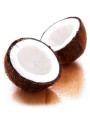
Thank you for reaching out about your cream project using Fractionated Coconut Oil. It's excellent that you're using Fractionated Coconut Oil (Caprylic/Capric Triglyceride), as the staff correctly advised. This type of coconut oil remains liquid at low temperatures and won't solidify like regular coconut oil, effectively solving the issue of your cream turning solid when refrigerated.
The separation you're observing is a common challenge in oil-in-water emulsions (like creams) when the oil and water phases aren't properly bound together. To achieve a stable, homogenous cream and prevent this separation, especially under varying temperatures, you need to incorporate a suitable emulsifier into your formulation. An emulsifier acts as a bridge between the oil and water components, allowing them to mix and remain dispersed.
Here are a few emulsifiers that are well-suited for creating stable creams and lotions, along with details you can use for your report:
-
- INCI Name: Glyceryl Oleate Citrate (and) Caprylic / Capric Triglyceride
- Characteristics: This is a high-performance O/W emulsifier known for creating light, non-sticky textures. It's capable of binding a significant amount of oil (up to 40%) and is versatile enough for both hot and cold process formulations. Its INCI name includes Caprylic/Capric Triglyceride, suggesting good compatibility with Fractionated Coconut Oil.
- Usage Rate: Typically used at 2-4%. For formulas with up to 40% oil, a 4% usage rate is recommended.
- Mixing Method: It should be mixed into the oil phase. The oil phase is then gradually added to the water phase while stirring or homogenizing.
-
- INCI Name: Sucrose Polystearate (and) Cetyl Palmitate
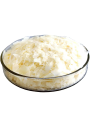
- Characteristics: A 100% natural-based, nonionic O/W emulsifier. It helps create stable emulsions with a desirable silky, velvety, lightweight, and non-oily skin feel. It forms stable lamellar structures within the cream. It comes in easy-to-handle pellets.
- Usage Rate: Recommended usage is 2-4%. It can be used as the sole emulsifier at 3% or at 2-3% with a co-emulsifier.
- Mixing Method: It is mixed into the oil phase and requires heat to dissolve properly.
-
- INCI Name: Cetearyl Alcohol (and) Ceteareth-20
- Characteristics: This is a widely used, standard nonionic O/W emulsifying wax. It is very effective at creating stable creams and lotions and also contributes to the thickness and body of the final product.
- Usage Rate: Used at 1-5% depending on the desired consistency and oil load.
- Mixing Method: It is mixed into the oil phase and requires heat to melt and dissolve.
When formulating your cream, ensure you use the recommended percentage of the chosen emulsifier based on the total percentage of the oil phase in your formula. Properly incorporating a suitable emulsifier at the correct concentration is key to achieving a stable cream that resists separation, even when stored in the refrigerator.
Good luck with your project and report!
Related Products Mentioned
Fractionated Coconut Oil