Addressing Pilling in Cream Formulation
Question
I'm making a cream using Light Cream Maker. I've noticed that if I don't mix it enough, the cream becomes flaky or pills when applied, especially when trying to make a thicker cream. However, if I mix it for a longer time, the texture becomes smooth and doesn't pill. Why does insufficient mixing with Light Cream Maker cause pilling, particularly in thicker formulations?
Answer
Addressing Pilling in Your Skin Cream Formulation
Pilling, or the formation of small rolls or flakes on the skin after applying a cream, is a common issue in cosmetic formulations. It typically occurs when ingredients form a film on the skin that doesn't fully absorb or is incompatible with the skin's surface, causing it to roll up when rubbed.
Based on your original formula, several ingredients could be contributing to this pilling effect:
- Xanthan Gum (1%): This ingredient is a strong thickener and film-former. Using it at a concentration of 1% is relatively high for a cream and is a very frequent cause of pilling, especially if it's not fully hydrated or if the formula contains other film-forming components.
- Beeswax (2%): Waxes like Beeswax help build the cream's structure but can also create a film on the skin surface.
- Glyceryl Stearate SE (3%): While primarily an emulsifier, Glyceryl Stearate SE also adds body and contributes to the overall solid structure of the cream, which can play a role in film formation.
- Other ingredients such as Collagen and extracts (Aloe extract, Rosa damascena) can also possess some film-forming properties.
The combination and concentrations of these ingredients likely result in a film that is too noticeable or lacks flexibility on the skin, leading to it rolling up when friction is applied.
The feedback you received regarding Light Cream Maker is also relevant. While it's designed as an easy-to-use emulsifier and thickener, the product description for Light Cream Maker specifically notes that insufficient mixing can lead to a "flaky" texture when applied. This highlights that proper processing and sufficient mixing are crucial when using such ingredients to prevent pilling.
To help resolve the pilling issue in your original formula, consider the following adjustments:
- Reduce Xanthan Gum Concentration: Lowering the amount of Xanthan Gum is often the most effective first step. Try reducing it to a range of 0.2% to 0.5%. This is often sufficient for achieving desired viscosity in creams and significantly reduces the tendency to pill.
- Ensure Proper Hydration and Dispersion of Xanthan Gum: Make sure the Xanthan Gum is completely dispersed and fully hydrated in the water phase. A good technique is to pre-disperse it in Glycerin or a small amount of oil from your formula before adding it to the water. Mix thoroughly (ideally with high shear) until a smooth, lump-free gel forms before combining the water and oil phases.
- Evaluate Total Film-Forming/Solid Ingredients: Consider the combined percentage of ingredients like Xanthan Gum, Beeswax, and Glyceryl Stearate SE. If reducing Xanthan Gum doesn't fully solve the problem, you might need to slightly adjust the levels of waxes or other thickeners.
- Check Emulsion Stability: Ensure your oil and water phases are well emulsified and stable. An unstable emulsion can sometimes contribute to texture problems like pilling.
If you choose to experiment with reformulating using Light Cream Maker, pay close attention to the manufacturer's instructions, particularly regarding mixing time and speed. As noted by others, insufficient mixing is a known cause of pilling with this type of ingredient.
Testing these adjustments one by one is the best approach to pinpoint the exact cause in your specific formulation and find the right balance.
Related Products Mentioned
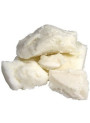
Shea Butter (Refined , Deodorised)
Light Cream Maker™
Glycerin (USP/Food Grade)
Fractionated Coconut Oil
Shea Butter (Ultra Soft)