Addressing Retinaldehyde Formula Issues: Texture, Yellowing, and Usage
Question
I have formulated a product containing Retinaldehyde, Niacinamide, Mandelic Acid, Tea Tree Oil, Nano Silver, and Squalane. I have some questions regarding this formula:
1. Is this formula suitable for treating acne and providing exfoliation? I used 1% Mandelic Acid.
2. Can I use the formula containing Retinaldehyde during the daytime?
3. The formula is quite liquid. I initially used Satin Mousse (Silky Cream Maker) at 2% but it was too liquid, so I added Pro Polymer 0.5% which helped thicken it. What could be the reason for the initial low viscosity, and are there other thickening options?
4. After about a week, the formula has turned yellow. What could be causing this yellowing?
Answer
Subject: Feedback on Retinaldehyde Formula
Hello,
Regarding your Retinaldehyde formula and questions:
Suitability for Anti-Acne and Exfoliation:
- The formula contains several ingredients known to help with acne, such as Niacinamide (B3) (#74), Mandelic Acid (#769), Retinaldehyde (#942), Tea Tree Oil (#217), and Nano Silver (#857). It should be suitable for normal skin prone to occasional acne.
- For exfoliation, 1% Mandelic Acid (#769) might not be highly effective unless the formula's pH is low (below 4.0). If stronger exfoliation is needed, you might consider adjusting the pH or using alternative exfoliants like Salicylic Acid (BHA) (#148), which is effective for clogged pores and works at a higher pH (4-6). Other gentle options mentioned include Willow Bark Extract (#1117), Yeast Resurface (#1108), Pumpkin Renew (#939), or L-Carnitine (#157) (which also helps control oil).
Daytime Use of Vitamin A (Retinaldehyde):
- You can generally use Retinaldehyde (#942) during the day if you apply sunscreen and avoid strong, direct sun exposure (like spending extended time outdoors in intense sunlight).
- Exposure to strong UV light primarily causes Vitamin A (#192) to degrade and lose its effectiveness, but it does not typically cause direct harm to the skin itself.
Formula Texture and Thickening:
- Mandelic Acid (#769) can slightly reduce viscosity, but at 1%, it's unlikely to be the primary reason for the formula being very liquid. The emulsifier system and the overall composition play a larger role.
- You used Satin Mousse (Silky Cream Maker) (#247) at 2% and found it too liquid, successfully thickening it by adding Pro Polymer (#234) 0.5%. This indicates Pro Polymer is effective in your formula.
- Satin Cream Maker (#247) is suitable for emulsifying the oil phase (Squalane #128). If you need more thickness or stability, especially with acidic ingredients like Mandelic Acid (#769), combining emulsifiers/thickeners might be helpful. Suggestions included using less Satin Cream Maker (e.g., 1.5%) alongside Xanthan Gum (#216) (1%) or ClayThick (#1132), which are more tolerant to acids and electrolytes. However, since you found Pro Polymer (#234) effective, continuing to use it might be the simplest solution for thickening.
Yellowing of the Formula:
- The yellowing observed after one week is likely due to the instability of Vitamin A (Retinaldehyde #942). Vitamin A compounds (#192) are highly sensitive to light, air, and heat, which can cause them to oxidize and change color.
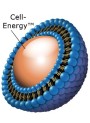
- While Adenosine (Cell Energy #1164) can also cause yellowing if unstable (not encapsulated), the version you used (Cell Energy #1164) is stated to be encapsulated for high stability, provided the pH is appropriate and high heat is avoided during preparation. Therefore, Vitamin A (#192) is the more probable cause in this case.
- To prevent or minimize yellowing and maintain the effectiveness of Retinaldehyde (#942), it is highly recommended to store the finished product in packaging that protects it from light and air (e.g., opaque, airless pump bottles) and to store it in a cool place (like a refrigerator). Storing in a clear plastic jar, even in a drawer, still exposes it to some light and air exchange, which can accelerate degradation.
Hope this helps!
Related Products Mentioned
Vitamin E (Tocopheryl Acetate)

Safe-B3™ (Vitamin B3, Niacinamide)
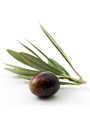
Squalane (Olive)
Salicylic Acid (BHA, Pharma Grade)
Tea Tree Oil (Water Soluble)
Pro Polymer™ (Gel Maker)

Satin Cream Maker™
Mandelic Acid

20nm Silver Pure™
Retinal (Retinaldehyde)