Addressing Stickiness and Instability in High-Active Serum Formula
Question
I have formulated a serum with the following ingredients and percentages, but the texture is sticky and has become liquid over time:
- Repair Activator 10%
- Glycosaminoglycans Complex 5%
- Acetyl Hexapeptide-8 10%
- Pep®-Coll 5%
- Copper Peptide 3%
- GlucoBright 4%
- Safe B3 10%
- DMI 3%
- Odor Kill 1%
- Satin Cream Maker 1%
After mixing, the formula feels sticky on the skin. Initially, the texture was thick, but it became much more liquid after some time (though the stickiness remained). I have a few questions:
- Which ingredients in this formula are likely causing the stickiness, and what should I reduce or add to make the texture less sticky?
- What caused the texture to become liquid over time, while the stickiness did not disappear?
- I previously made a similar formula with 38-42% active ingredients that was not sticky. That formula did not contain Safe B3 or GlucoBright. Is it possible that these two ingredients are contributing to the stickiness?
- Is there a way to fix the current batch of this formula to reduce the stickiness without starting the formulation process over? I would like to salvage the batch I have already made.
Answer
Formula Analysis and Recommendations
Based on the ingredients and their concentrations in your formula, several components can contribute to the sticky feeling and the change in texture over time.
Ingredients Contributing to Stickiness
Your formula contains a high total concentration of active ingredients (around 52%), many of which are humectants or polymers known to affect skin feel. The ingredients most likely contributing to the stickiness are:
- Repair Activator (Bifida Ferment Lysate, Butylene Glycol Base): Contains Butylene Glycol and Glycerin, which are humectants that attract water and can feel sticky, especially at higher concentrations.
- Glycosaminoglycans Complex: These are polysaccharides that provide hydration and can contribute to a viscous or slightly sticky texture, similar to Hyaluronic Acid.
- Pep®-Coll (Palmitoyl tripeptide-5): Contains Glycerin, another humectant.
- Copper Peptide (GHK-Cu): Contains Glycerin and Propylene Glycol, both humectants.
- GlucoBright (Acetyl Glucosamine): Acetyl Glucosamine is a sugar derivative and humectant that can add to the sticky feel.
- Safe B3 (Niacinamide): At a high concentration of 10%, Niacinamide can sometimes impart a slightly tacky feel.
- Odor Kill (Maltodextrin): Maltodextrin is a polysaccharide that can act as a binder or film-former, potentially increasing tackiness.
- Satin Cream Maker (Sodium Acrylates Copolymer): This is a polymer thickener. While designed to provide a smooth feel, polymers can cause stickiness, especially in formulas with high electrolyte content or if the concentration isn't optimal for the system.
The combination of multiple humectants and gelling/film-forming ingredients at high percentages is the primary reason for the sticky sensation.
Addressing Your Questions
Which ingredients should be reduced or added to reduce stickiness?
To reduce stickiness, you generally need to decrease the total concentration of ingredients that contribute to this feeling or modify the base formula.- Reduce Concentration: Consider reducing the percentages of some of the high-concentration active ingredients, particularly those at 10% (Repair Activator, Acetyl Hexapeptide-8, Safe B3) and potentially Glycosaminoglycans and GlucoBright. A total active load of 52% is very high and inherently difficult to formulate without some tackiness.
- Modify Thickener/Base: The Satin Cream Maker might be contributing. You could explore using a different thickener or a blend of thickeners known for a less sticky feel, or potentially increase the percentage of Satin Cream Maker slightly (within its recommended range) if the current issue is insufficient thickening causing the high active load to feel more prominent. However, adding more polymer might also increase stickiness.
- Add Skin Feel Modifiers: Incorporating a small percentage of ingredients that improve slip and reduce tackiness, such as certain silicones (like Cyclomethicone, which Satin Cream Maker is compatible with) or specific esters, could help. However, adding oil-phase ingredients would require careful consideration of the emulsifier (Satin Cream Maker's oil capacity is up to 25%).
Why did the texture become liquid over time, but the stickiness remained?
The initial thickness likely came from the Satin Cream Maker polymer forming a network. The liquefaction over time suggests that this polymer network is breaking down or becoming unstable. This instability is often caused by the presence of electrolytes or other charged ingredients in the formula, which are abundant in your high concentration of active ingredients (peptides, niacinamide, etc.). The stickiness remains because the dissolved active ingredients and humectants are still present in the liquid base; the loss of thickness doesn't remove these components. The pH of the formula could also play a role if it's outside the optimal range for the Satin Cream Maker or other ingredients.Is it possible that Safe B3 and GlucoBright cause stickiness?
Yes, it is very possible. As mentioned, Niacinamide (Safe B3) at 10% and Acetyl Glucosamine (GlucoBright) at 4% are significant concentrations of ingredients that can contribute to tackiness, especially when combined with other humectants in the formula. Your observation that a previous formula without these two was less sticky supports this.Is there a way to fix the current batch without starting over?
Fixing a batch that has already liquefied due to polymer breakdown is very challenging.- You could try carefully adding a small amount of a compatible water-soluble thickener (like a different polymer or gum) to attempt to rebuild viscosity, but this might increase stickiness further and may not fully restore stability.
- Adjusting the pH might help if it was significantly off, but this is risky and could cause other ingredients to precipitate or degrade.
Given the complexity and likely instability issue, it may be difficult to salvage the current batch to achieve the desired texture and stability. It might be more practical to use this batch for testing purposes and focus on adjusting the formula for future production.
Recommendations for Future Formulations
- Re-evaluate the total concentration of active ingredients. While high concentrations can be effective, they significantly impact texture and stability. Consider if slightly lower percentages could still provide desired benefits with better feel.
- Optimize the thickening system. Consider using a blend of thickeners or a polymer known for better electrolyte resistance and skin feel.
- Ensure the final pH is within the optimal range for all ingredients, especially the thickener and peptides.
- Review mixing procedures to ensure the thickener is properly incorporated without excessive shear that could damage the polymer.
- If reducing active concentrations is not an option, explore incorporating ingredients specifically designed to counteract stickiness in high-active formulas, such as certain sensory modifiers or emollients compatible with your base.
By adjusting the concentrations of some key ingredients and potentially modifying the thickening system, you can likely achieve a less sticky and more stable formula in the future.
Related Products Mentioned
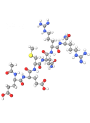
Acetyl Hexapeptide-8 (eq Argireline)
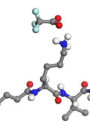
Pep®-Coll (Palmitoyl tripeptide-5)
Safe-B3™ (Vitamin B3, Niacinamide)
GlucoBright™ (Acetyl Glucosamine)

Satin Cream Maker™

Odor-Kill™
Dimethyl Isosorbide (DMI)