Adjusting Cream Formula: Perfect C, B3, Bifida, and EDTA
Asked by: numpunchka
On: June 07, 2017
Product Type:
Cosmetics
Answered
Question
I am formulating a cream that aims to provide moisture, reduce wrinkles, and whiten the skin. I have some questions regarding specific ingredients in my formula:
- If I want to add Perfect C (Ascorbyl Tetraisopalmitate) at 5%, do I need to remove B3 (Niacinamide)?
- For Repair Activator (Bifida Ferment Lysate), should the percentage be 5% or 10%?
- If I use Perfect C, is it okay not to include Disodium EDTA at 0.2%?
Answer
Based on your goal for a cream that provides moisture, reduces wrinkles, and whitens the skin, and the formula you provided, here is a summary of the recommendations and answers to your questions:
- Original Formula Review: The staff confirmed that your original formula can be mixed.
- Recommended Adjustments:
- Consider reducing Natto Gum to 2-3% and Repair Activator (Bifida Ferment Lysate) to 5%.
- Add Safe-B3 (Vitamin B3) at 5% and Vitamin B5 (Panthenol) at 2-3% to provide a broader range of vitamins for skin nourishment.
- If the cream is for daytime use, you might consider reducing Wakame Extract to 1-2% to avoid a potential film-forming feeling.
- For Fractionated Coconut Oil, it's recommended to start with 5% and increase later if more moisture is needed. If you start with 10% and find it too heavy, it cannot be removed.
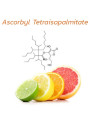
- Adding Perfect C: If you wish to add Perfect C (Ascorbyl Tetraisopalmitate) at 5%, you should remove Safe-B3 (Vitamin B3).
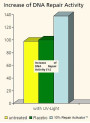
- Repair Activator (Bifida Ferment Lysate) Percentage: Please follow the manufacturer's recommended usage rate for Bifida Ferment Lysate.
- Disodium EDTA with Perfect C: While the manufacturer recommends including Disodium EDTA (0.2%) when using Perfect C, it is ultimately your choice whether to include it or not. The company's only requirement is that all ingredients are used within the manufacturer's/FDA's specified usage rates.
These adjustments are suggestions to potentially enhance the formula based on common preferences and ingredient properties.
Related Products Mentioned
Pal-GHK, Pal-GQPR (eq Matrixyl 3000)
Cosmetics
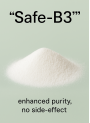
Safe-B3™ (Vitamin B3, Niacinamide)
Cosmetics
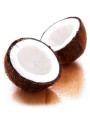
Fractionated Coconut Oil
Cosmetics
Disodium EDTA
Cosmetics

Satin Cream Maker™
Cosmetics
Natto Gum Extract
Cosmetics

MSH White Absorb™
Cosmetics

Wild Yam Extract (Diosgenin, Liquid)
Cosmetics
Wakame Extract (Brown Sea Weed)
Cosmetics

Yeast Radiance™
Cosmetics