Adjusting Cream Formulation for Acne-Prone Skin
Question
I previously mixed a cream according to your recommended formula, which worked well for strengthening my skin barrier and resolving sebderm, dryness, and sensitivity. The original formula with my additions is as follows:
- Galactomyces Ferment Filtrate (Pitera) 60%
- Japanese Cedar (Cryptomeria Japonica Bud Extract) 1%
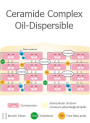
- Ceramide Complex (CeraTouch™) 5%
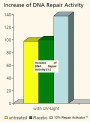
- Repair Activator 10%
- 1,2-Hexanediol 3%
Additional oil phase ingredients:
- shea butter 10%
- Cerasoft™ (Synthetic Ceramide) 3%
- Butter Cream Maker 3%
- Cetearyl Alcohol 3%
After using it for almost 2 months, I've started to develop some inflammatory acne on my face. I would like to adjust the formula for a new batch. I have the following questions:
- Would changing from shea butter to Aloe Vera Gel (Lite) be effective in reducing clogged pores?
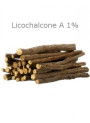
- Would adding oil control and acne ingredients like Licorice Extract or Acnee bee be okay without removing shea butter, considering my skin gets oily during the day?
Answer
Adjusting Your Formulation for Acne-Prone Skin
It's great to hear that your previous formulation was effective in improving your skin barrier, resolving sebderm, dryness, and sensitivity! It sounds like the combination of ingredients worked well for strengthening your skin.
Now that you are experiencing some inflammatory acne, it's understandable that you want to modify the formula. This could be due to the richness of the oil phase in your adjusted formula.
Here's a look at your questions regarding potential modifications:
1. Changing from Shea Butter to Aloe Vera Gel (Lite) to reduce clogged pores
Your current formula includes a significant oil phase with Shea Butter, Cerasoft™, Butter Cream Maker, and Cetearyl Alcohol, which creates a rich, buttery texture. Shea Butter is a wonderful emollient and moisturizer, but for some skin types, especially those prone to acne, its richness can potentially contribute to clogged pores.
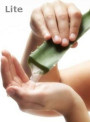
Aloe Vera Gel (Lite) is a water-based gel that is oil-free, light, and absorbs quickly. It's known for its soothing, anti-inflammatory, and hydrating properties and is often recommended for oily or acne-prone skin. Replacing Shea Butter with Aloe Vera Gel (Lite) would indeed help in creating a much lighter, less occlusive formula, which could reduce the likelihood of clogged pores.
However, simply swapping Shea Butter (an oil-phase ingredient) with Aloe Vera Gel (Lite) (a water-phase base) at the same percentage isn't a direct substitution due to the different nature of these ingredients and how they function in a formulation. Your current emulsifier system (Butter Cream Maker, Cetearyl Alcohol) is designed for an oil-in-water emulsion with a substantial oil phase. To effectively use Aloe Vera Gel (Lite) as a primary base or a large component of the water phase, you would likely need to reformulate to achieve a stable, lighter texture like a gel or light lotion.
So, while the idea of using Aloe Vera Gel (Lite) to reduce clogging is sound and it's a suitable ingredient for acne-prone skin, it would require adjusting the overall formula structure beyond a simple ingredient swap.
2. Adding oil control/acne ingredients (Licorice Extract or Acne bee) without removing Shea Butter
You can technically add oil control and anti-acne ingredients like Licorice Extract, Pep®-Acne, or Actin AC to your current formula without removing Shea Butter. Licorice Extract and Pep®-Acne are water-soluble and would be added to the water phase, while Actin AC is oil-soluble and would be added to the oil phase.
Licorice Extract is known for reducing inflammation and oiliness. Pep®-Acne is an anti-microbial peptide targeting acne bacteria. Actin AC offers a multi-faceted approach to acne by regulating sebum, reducing inflammation, and fighting bacteria.
However, keeping a high percentage of a rich emollient like Shea Butter might counteract the effects of these oil-controlling and acne-fighting ingredients. If the Shea Butter is contributing to the pore clogging and acne, adding these ingredients without reducing the oiliness of the formula might not fully resolve the issue.
For skin that gets oily during the day and is experiencing acne, reducing the overall oil phase, particularly heavy butters like Shea Butter, is often a more effective strategy alongside incorporating targeted anti-acne actives. You could try reducing the percentage of Shea Butter or replacing a portion of it with lighter oils or emollients, in addition to adding ingredients like Licorice Extract, Pep®-Acne, or Actin AC.
In summary, while you can add the anti-acne ingredients, for better results in addressing acne and oiliness, consider reducing the amount of the heavier oil-phase ingredients in your formula.
Related Products Mentioned
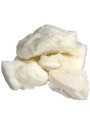
Shea Butter (Refined , Deodorised)
Cetearyl Alcohol (50/50, e.q. Lanette O)
Aloe Vera Gel (Lite)
Butter Cream Maker™
Cerasoft™ (Synthetic Ceramide)