Adjusting Cream Texture, Vitamin C/B3 Compatibility, and Sunscreen for Actives
Asked by: jn_andy
On: November 13, 2015
Product Type:
Cosmetics
Answered
Question
I am making a whitening cream and have some questions about the formulation:
1. I want a thick but light texture, not sticky or viscous. How can I adjust the formula? If I add `Pro Polymer`, will it become sticky and viscous?
2. Regarding `Vitamin C` and `Vitamin B3` (`Niacinamide`), is it true that all `Vitamin C` derivatives cannot be used together with `Vitamin B3`? Are there any exceptions?
3. For some actives that are sensitive to sunlight, can I add sunscreen to help protect them? How do I calculate the proportion of sunscreen to add?
Answer
Here are the answers to your questions regarding your whitening cream formulation:
- Texture Issue: The thinning after adding Soy Extract is likely because it's water-based. To thicken your lotion-like texture to a creamier consistency without stickiness, gradually add Pro Polymer (ID: 234) in 0.5% increments while mixing until fully dissolved. This was recommended by the staff and should provide a thick yet light feel in a formula with oils and emulsifiers.
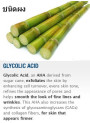
- Adding Glycolic Acid: Glycolic Acid (ID: 660) can help with melasma but will thin the formula. You can add around 3% by reducing the water content accordingly. You will need to use a thickener like Pro Polymer to achieve the desired consistency after adding Glycolic Acid.
- Vitamin C and B3 Interaction: Yes, Vitamin C (including common derivatives) and Niacinamide (B3) can interact, reducing efficacy and potentially causing irritation. This applies generally, and there are no common derivatives that are exceptions when mixed directly.
- Vitamin C and B3 Usage Timing: Using a Vitamin C serum and a B3 cream at different times of the day (e.g., morning and night) is a practical approach. Ingredients are absorbed over time, so applying them separately allows each to work effectively. You don't need to avoid B3 creams entirely if you use a Vitamin C serum, just avoid layering them immediately.
- Masking Base Cream Smell: There's no specific ingredient to eliminate the base smell. The key is selecting a fragrance with a profile strong enough to mask or blend well with the chemical odors.
- Sun-Sensitive Actives and Sunscreen: Sunscreen protects your skin from UV, which is vital. While UV can degrade actives, they are absorbed into the skin over time. Sunscreen helps protect the skin surface, but the active's efficacy relies more on its absorption. Add sunscreen for skin protection at the appropriate concentration for the desired SPF.
Related Products Mentioned

Safe-B3™ (Vitamin B3, Niacinamide)
Cosmetics
GlucoBright™ (Acetyl Glucosamine)
Cosmetics
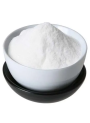
Vitamin C (L-ascorbic acid) (Fine)
Cosmetics
Light Cream Maker™
Cosmetics
Pro Polymer™ (Gel Maker)
Cosmetics

Soy Extract (Isoflavones / Genistein)
Cosmetics
Glycopure™ (Glycolic Acid (AHA) Powder)
Cosmetics
MSH White™ (Undecylenoyl phenylalanine)
Cosmetics