Adjusting Facial Cleansing Gel Formula for Foam, Makeup Removal, and Mildness
Question
I am developing a gentle facial cleansing gel formula that can also remove makeup. In a previous attempt, the formula resulted in low foam, dryness, and insufficient makeup removal, with a low pH (around 3) noted by staff.
I have now proposed a new formula with the following ingredients and percentages:
- Water: remaining %
- Sulfate Free Shampoo Base (Sodium Lauroyl Glutamate): 10%
- Coco Wash (PEG-7 Glyceryl Cocoate): 10%
- Glycerin: 10%
- Sodium PCA: 5%
- Mild Preserved Eco (Ethylhexylglycerin, Caprylyl Glycol): 1%
My goals for this new formula are to achieve:
- More foam
- Better moisturization (to avoid dryness)
- Improved makeup removal
I would like to know:
- Can I add
BabyFoam(Sodium Cocoyl Isethionate) orCoco Foam(Cocamidopropyl Hydroxysultaine) to this formula to boost foam and mildness? - Where should I add fragrance in the mixing process?
Answer
Okay, I understand you're working on a gentle facial cleansing gel formula that can also remove makeup, and you've tried a formula but experienced low foam, dryness, and insufficient makeup removal. You've proposed a new formula and have questions about improving it and adding specific foaming agents.
Based on the conversation and your goals, let's break down the points and see how to refine the formula.
First, regarding the previous attempt where the pH was around 3, the staff mentioned that this was likely due to the ingredients, possibly Salicylic Acid if it was included. When using acidic ingredients like Salicylic Acid or Lactic Acid, it's important to measure the pH and adjust it if necessary to be suitable for skin (typically pH 4-7 for cleansers, with 5.5 being ideal). To increase the pH (make it less acidic), you would typically add a base like Triethanolamine (TEA) or Sodium Hydroxide solution very slowly while measuring the pH until the desired range is reached. However, since you removed Salicylic Acid from your latest formula, the pH might be less acidic, but it's still recommended to measure it.
Now, let's look at your latest proposed formula and your goals:
Your proposed formula:
- Water: remaining %
- Sulfate Free Shampoo Base (Sodium Lauroyl Glutamate): 10%
- Coco Wash (PEG-7 Glyceryl Cocoate): 10%
- Glycerin: 10%
- Sodium PCA: 5%
- Mild Preserved Eco (Ethylhexylglycerin, Caprylyl Glycol): 1%
Goals: More foam, moisturization, better makeup removal.
Let's analyze the ingredients and their roles:
- Sulfate Free Shampoo Base: This is your primary cleansing agent and contributes to foam. You reduced it to 10% in this formula. The staff previously suggested using this base at 20-30% for good foam. This reduction is likely why you experienced low foam.
- Coco Wash: This ingredient helps with makeup removal and mildness. You increased it back to 10% (from 5% in the previous attempt). This should help with makeup removal, but the staff previously suggested reducing it to 5% to address dryness, indicating a potential trade-off.
- Glycerin & Sodium PCA: These are excellent humectants that draw moisture into the skin, helping with moisturization and counteracting dryness. You've included them at good percentages (10% Glycerin, 5% Sodium PCA), which should help with the dryness issue you experienced before.
Addressing your goals with the proposed formula:
- More foam: To significantly increase foam, you should increase the concentration of your primary surfactant,
Sulfate Free Shampoo Base. Based on the staff's advice, increasing it to 20% or even 25% would likely generate more foam. - Moisturization: Your inclusion of 10% Glycerin and 5% Sodium PCA is good for moisturization. However, the feeling of dryness after washing is primarily related to how stripping the cleansing system is. While humectants help, ensuring the surfactants themselves are mild and used at an appropriate concentration is key.
- Better makeup removal: Keeping
Coco Washat 10% is a reasonable level for makeup removal, based on its function.
Should you add BabyFoam or Coco Foam?
- BabyFoam (Sodium Cocoyl Isethionate): This is a mild, high-foaming anionic surfactant that creates a rich, creamy lather. Adding a small percentage (e.g., 3-5%) could boost foam and potentially improve the feel, contributing to a less dry sensation.
- Coco Foam (Cocamidopropyl Hydroxysultaine): This is an amphoteric co-surfactant that is very mild, boosts foam, and can help increase viscosity. Adding this (e.g., 3-5%) could also improve foam volume and stability and enhance the mildness of the formula.
Both BabyFoam and Coco Foam are good options for boosting foam and mildness without being overly irritating. Adding either could help you achieve more foam and a better feel compared to relying solely on 10% Sulfate Free Shampoo Base.
Suggested adjustments to your formula based on your goals and staff feedback:
To improve foam, moisturization, and makeup removal while aiming for mildness, consider the following adjustments. You might need to experiment to find the best balance for your skin.
Option 1 (Prioritizing Foam and Makeup Removal, with added Moisturizers):
- Water: remaining % (adjust based on other ingredients)
- Sulfate Free Shampoo Base: 20% (Increase for foam, based on staff advice)
- Coco Wash: 10% (Keep for makeup removal)
- Glycerin: 10% (Keep for moisturization)
- Sodium PCA: 5% (Keep for moisturization)
- Optional: Add BabyFoam or Coco Foam (e.g., 3-5%) for extra foam boost and mildness.
- Mild Preserved Eco: 1%
- Salt: 0.5-1% (Add at the end to adjust viscosity if needed, as staff suggested)
This formula increases the main surfactant for foam and keeps Coco Wash high for makeup removal, while relying on Glycerin and Sodium PCA for moisturization. Adding BabyFoam or Coco Foam can further enhance foam and mildness.
Option 2 (Balancing Mildness, Foam, and Makeup Removal):
- Water: remaining %
- Sulfate Free Shampoo Base: 15-20% (Moderate increase for foam)
- Coco Wash: 5-8% (Slightly increase from staff's last suggestion, but less than 10% to potentially reduce dryness)
- Glycerin: 10%
- Sodium PCA: 5%
- Consider adding: BabyFoam or Coco Foam (e.g., 3-5%) - this can help boost foam and mildness, potentially allowing for slightly lower levels of the other surfactants while maintaining performance.
- Mild Preserved Eco: 1%
- Salt: 0.5-1% (Adjust viscosity)
This option tries to find a balance by moderately increasing the main surfactant and slightly adjusting Coco Wash, while adding another mild co-surfactant for better overall performance and feel.
Mixing Steps (based on your previous steps and staff feedback):
Your proposed mixing steps were generally correct. Here's a refined version incorporating potential additions and staff advice:
- Combine Water and water-soluble ingredients (like Glycerin, Sodium PCA). Mix until dissolved.
- In a separate container, combine Propylene Glycol (if using) and Salicylic Acid (if using, though not in your latest formula). Add Tween 20 (if using) and mix until Salicylic Acid is dissolved/dispersed (note staff's caution about solubility).
- Combine the contents of step 1 and step 2 (if applicable). Mix well.
- Add the surfactants: Sulfate Free Shampoo Base and Coco Wash. If using BabyFoam or Coco Foam, add them here as well. Mix gently to avoid excessive foaming.
- If adding fragrance, mix it with a small amount of Coco Wash or Sulfate Free Shampoo Base first, then add to the main mixture in step 4 or after step 4.
- Add the preservative (Mild Preserved Eco). Mix well.
- Slowly add Salt (0.5-1%) while stirring gently until the desired viscosity is reached. Not all formulas thicken with salt, as you experienced. If salt doesn't work, you would need to use a different thickener suitable for surfactant systems (like Xanthan Gum, EasyThick, SugarThick, or ClearClean as suggested by staff).
- Measure and adjust the pH if necessary using Lactic Acid (to lower pH) or a base like TEA or Sodium Hydroxide solution (to raise pH). Add very small amounts, mix, and re-measure until the desired pH (ideally 5.5, but 4-7 is generally acceptable for a cleanser) is reached.
Regarding your question about adding fragrance:
You can add fragrance after adding the surfactants (step 4 or 5 in the steps above). As the staff mentioned, it's best to pre-mix the fragrance with a small amount of one of the surfactants (like Coco Wash or Sulfate Free Shampoo Base) before adding it to the main batch. This helps to disperse the fragrance evenly in the water-based formula.
In summary, to improve your latest formula:
- Increase the concentration of
Sulfate Free Shampoo Basefor more foam. - Your current levels of Glycerin and Sodium PCA are good for moisturization, but mildness depends on the overall surfactant system.
- 10%
Coco Washshould help with makeup removal. - Consider adding
BabyFoamorCoco Foamto boost foam and enhance mildness. - Ensure you measure and adjust the pH, especially if adding acidic ingredients in the future.
- If salt doesn't thicken the formula, you'll need to use a different thickener.
You may need to experiment with the percentages of the surfactants (Sulfate Free Shampoo Base, Coco Wash, and potentially BabyFoam/Coco Foam) to find the perfect balance of foam, cleansing power (including makeup removal), and mildness/moisturization for your skin.
Related Products Mentioned
Glycerin (USP/Food Grade)
Sodium PCA 50%
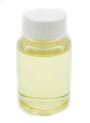
Coco Wash™ (PEG-7 Glyceryl Cocoate)