Adjusting Fluid Light Sunscreen Base for Water Resistance, Powdery Feel, and Skin-care Actives
Question
Would like to ask about this base:
Is it waterproof?
If it is not waterproof, what waterproofing agent can be added to this base?If I want to adjust the feeling so that after applying it on the skin, it has a dry, powder-like feel, can this be adjusted?
What skin-care actives can be added to this formula?
Answer
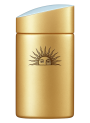
For Fluid Light Sunscreen (Compare to Anessa Perfect UV Sunscreen Skincare Milk N SPF50+/PA++++), our catalog data does not explicitly state that this base is water-resistant/waterproof, so we should not market it as waterproof unless you run a water-resistance test on the final formula.
- Water resistance
- If you want to improve water/sweat resistance, the most suitable options are:
- UV35 (Polyurethane-35): film former for sunscreen, helps water resistance and SPF durability. Start around 1-3%, can adjust up to the allowed range after testing.
- WaterGuard™ Spray: Acrylates/Octylacrylamide Copolymer, used in sunscreen to improve waterproof/sweat-resistant performance at 1-5%. It must be dissolved in alcohol, so pre-disperse/dissolve in alcohol before adding and check compatibility.
- Silicone Film (Soft Film, Low Viscosity, Cyclopentasiloxane Base): water-resistant silicone film former, 1-5% trial is reasonable, but it may make the skin feel more film-forming or tacky.
- Because this sunscreen base is recommended at 95-100%, keep total additives preferably within 0-5%. If adding more than this, SPF/PA, texture, stability, and water resistance should be retested.
- Powder-dry / matte after-feel
Yes, this can be adjusted. The base already contains talc, corn starch, and silica, but you can make the finish drier/more powdery by adding:
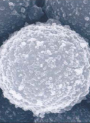
- MatteSilica 5S™: dry, slippery, soft matte feel; good first choice for sunscreen texture.
- MatteSilica 5™ / MatteSilica 3™ / MatteSilica 10™: gives more dry slip and oil absorption; choose particle size by feel.
- SiliSilk™ 5H or SiliSilk™ 10H: softer, smoother silicone-powder feel with blur effect, less rough than a very dry silica feel.
Suggested starting point: add 1-3% powder, mix in the final step with sufficient shear until uniform. If the formula becomes too dry/draggy, reduce powder or combine silica with SiliSilk for a softer finish.
- Skin-care actives that can be added
Choose actives that are compatible with the base pH range 4-7 and keep the total added amount low enough to preserve sunscreen performance:
- Safe-B3™ (Niacinamide): brightening, barrier support, oil-control; typical 2-5%.
- Panthenol / D-Panthenol Care: moisturizing and soothing; typical 1-3%.
- Natural Moisturizing Amino Acids: NMF-style hydration; 0.5-3%.
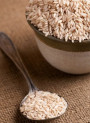
- Rice Vitamin (Inositol): moisture/oil-balance support; 1-2%.
- Hyaluronic Acid Elastomer: hydration film and smoother hydrated feel; 1-3%, but may increase viscosity/skin film.
- Natural Vitamin E: oil-phase antioxidant/skin-conditioning, 0.1-0.5%, suitable if the formula can accept a small oil-soluble addition.
Avoid adding many water-soluble actives at high levels at once, because they may disturb the sunscreen dispersion and reduce water resistance. For commercial sale, the final customized sunscreen should be checked for stability, SPF/PA, microbial quality, and water-resistance claim testing if that claim will be used.
Follow-up Replies
Related Products Mentioned
Safe-B3™ (Vitamin B3, Niacinamide)
Rice Vitamin (Inositol, Vitamin B8)
MatteSilica 5™ (5 Micron)
WaterGuard™ Spray
MatteSilica 3™ (3 Micron)
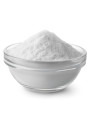
MatteSilica 10™ (10 Micron)