Adjusting Gel Formula for Very Dry, Sun-Exposed Skin: Thickness and Ingredient Levels
Question
I have very dry skin and am exposed to strong sun daily. I am adjusting a gel formula and would like advice on the following:
My modified formula includes:
- Urea 5%
- Sodium Lactate 5%
- Sodium PCA 5-10%
- Panthenol (Vitamin B5) 5%
- Vitamin B3 4%
- Natto Gum 5%
- Witch Hazel (base)
- I am considering increasing Natto Gum to 10%. Is this feasible and what should I consider?
- I want to achieve a very thick gel texture that can be scooped from a jar or holds its shape when pumped. Which thickener is more suitable between Xanthan Gum and Pro Polymer™ for this goal, especially considering the ingredients in my formula?
- Is it possible to increase Xanthan Gum beyond the typical 2% usage rate to achieve a very thick consistency? What are the potential side effects or texture issues if I do this?
Answer
Formulation Advice for Dry, Sun-Exposed Skin Gel
Thank you for your question regarding your modified gel formula for very dry, sun-exposed skin. It's good that you are adjusting the formula based on your skin's needs and the feedback received.
Let's address your questions and the proposed formula:
Your modified formula:
- Urea 5%
- Sodium Lactate 5%
- Sodium PCA 5-10%
- Panthenol (Vitamin B5) 5%
- Vitamin B3 4%
- Natto Gum 5%
- Witch Hazel (base)
Suitability of the Modified Formula
Considering your very dry and sun-exposed skin, the original formula's levels of Urea and Sodium Lactate at 5% each, and your proposed Sodium PCA at 5-10%, are quite high. While these ingredients are excellent humectants and part of the skin's Natural Moisturizing Factor (NMF), Urea and Sodium Lactate at concentrations above 3% can have a mild exfoliating effect. For skin that is very dry and exposed to strong sun daily, reducing the exfoliating ingredients might be beneficial to avoid potential irritation or increased sensitivity to the sun.
The suggestion to reduce Urea and Sodium Lactate and incorporate other moisturizing ingredients like MOIST72™ and WaterLock™ is a good approach for very dry skin, as these focus purely on hydration and barrier support without exfoliation.
Adding Natto Gum is also a great idea. Natto Gum is known for its strong moisturizing properties, even surpassing Hyaluronic Acid in some aspects.
Increasing Natto Gum to 10%
Natto Gum can be used at concentrations up to 10% (with 5% being a common recommended rate). Increasing it to 10% would likely enhance the moisturizing benefits significantly. However, as Natto Gum is a weak electrolyte, using it at a higher concentration like 10% might affect the viscosity and stability of gels thickened with certain gelling agents that are sensitive to electrolytes. You would need to test the stability of your final formula if using 10% Natto Gum, especially in combination with your chosen thickener.
Achieving a Very Thick Gel Texture
You want a very thick gel that can be scooped from a jar or holds its shape when pumped. Both Xanthan Gum and Pro Polymer™ can create gel textures, but they behave differently.
- Xanthan Gum: This is a common and effective thickener. To achieve a very thick gel, you would likely need to use it at a higher percentage. The recommended usage rate is typically 0.1-2%. Starting around 1% is standard for a gel, but for a very thick consistency, you might need to go higher, potentially towards 2% or even slightly above, depending on the specific type of Xanthan Gum (like the clear gel type) and the other ingredients in your formula (electrolytes can reduce viscosity). The description for Xanthan Gum (clear gel type, smooth texture) mentions it doesn't have the stringy texture of normal Xanthan Gum, which is a plus for user experience when aiming for high viscosity.
- Pro Polymer™: This is often recommended for formulas containing electrolytes (like Sodium Lactate, Sodium PCA, and Urea in your formula) because it has good electrolyte resistance. It can create a thick, even pudding-like texture at higher concentrations (above 3%). The texture is generally preferred over the stringiness that can occur with high concentrations of normal Xanthan Gum. However, as mentioned in the forum reply, Pro Polymer™ can sometimes have a chemical odor that might require masking.
For a very thick gel, Pro Polymer™ might be a more suitable choice due to its electrolyte tolerance and ability to create a stable, thick, non-stringy texture. If you prefer to use Xanthan Gum, be aware that achieving extreme thickness might require pushing the usage rate and carefully observing the texture and stability, especially with the electrolytes present.
Increasing Xanthan Gum Beyond 2%
While 2% is often the upper end of the recommended range for Xanthan Gum in typical gel formulations, you can technically use more if needed to achieve the desired viscosity. However, increasing it significantly beyond the recommended range can lead to undesirable textures (very gummy or stringy, depending on the type) and potentially affect the clarity and feel of the product. It's less likely to cause skin allergies just by increasing the concentration, but the unpleasant texture might make the product less appealing to use. Always test on a small scale first.
If 2% Xanthan Gum doesn't give you the desired thickness and the texture becomes problematic, consider switching to Pro Polymer™ or using a combination of thickeners.
Additional Recommendations
- Reconsider Urea and Sodium Lactate Levels: Given your sun exposure, you might consider reducing Urea and Sodium Lactate to around 2-3% each to minimize potential exfoliation, as suggested in the forum reply. You can compensate for the reduced hydration by increasing Natto Gum (up to 10% if it works with your thickener) and incorporating MOIST72™ (2-5%) and WaterLock™ (1-2%), which are excellent for deep hydration and barrier support without exfoliating effects.
- Electrolyte Compatibility: Since your formula contains several electrolytes (Urea, Sodium Lactate, Sodium PCA, Natto Gum), choosing a thickener with good electrolyte tolerance like Pro Polymer™ (starting around 1-2% and increasing as needed) would likely yield a more stable and aesthetically pleasing gel texture compared to some types of Xanthan Gum.
- Preservation: Ensure your formula includes a suitable preservative system, as water-based gels are prone to microbial growth.
- pH Adjustment: Check and adjust the final pH of your gel to be skin-compatible (typically between 4.5-6.0) after adding all ingredients, as some ingredients can affect pH.
In summary, your modified formula is a good starting point for hydration, but adjusting the levels of exfoliating ingredients and choosing an electrolyte-tolerant thickener like Pro Polymer™ might be more suitable for your specific skin condition and desired texture.
Related Products Mentioned
Safe-B3™ (Vitamin B3, Niacinamide)
Sodium Lactate (60% Liquid, Natural)
Urea (High Purity, Cosmetics, Powder)
Sodium PCA 50%

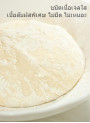
Pro Polymer™ (Gel Maker)

MOIST72™
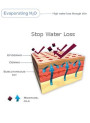
WaterLock™ (Polyquaternium-51)