Adjusting Physical Sunscreen Formula for Texture and Hydration
Question
How can I adjust my physical sunscreen formula to reduce dryness and white cast, specifically by adding Water Lock (Polyquaternium-51) and Allantoin? My current formula uses Cyclopentasiloxane, Titanium Dioxide, Zinc Oxide, Warp Cream Maker, and Phenoxyethanol. Are there other ingredients or adjustments (like using Dimethicone or emollients) that can improve the texture and feel?
Answer
Adjusting Your Physical Sunscreen Formula
Based on your questions and formula, here's how you can adjust your physical sunscreen to address dryness and improve its feel:
Adding Water Lock and Allantoin
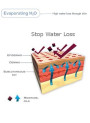
- Water Lock (Polyquaternium-51): Yes, you can add Water Lock to your formula. It helps to reduce water loss from the skin, which can combat the dry feeling. Add Water Lock to the water phase of your formula before combining it with the oil/silicone phase.
- Allantoin: Yes, Allantoin can also be added. It helps reduce irritation and promote skin tissue repair. However, Allantoin has limited solubility in water (around 0.5% at room temperature). Given your formula has about 19.5% water, you can only dissolve approximately 0.1% Allantoin in the total formula. Add Allantoin to the water phase and ensure it is fully dissolved.
Physical Sunscreen and Oils
Physical sunscreen ingredients like Titanium Dioxide and Zinc Oxide are powders that sit on the skin's surface to reflect UV light; they do not dissolve in oils. The feeling of dryness you experience is likely due to the high percentage of powders and the type of silicone used (Cyclopentasiloxane evaporates quickly).
Adding oil won't dissolve the sunscreen particles, but it can affect the overall film formed on the skin. While some oils might make the film less adherent, emollients and silicones like Dimethicone are generally recommended to improve feel and adherence in physical sunscreens.
Improving Skin Feel (Reducing Dryness/White Cast)
To make your formula feel more moisturizing and less dry, and potentially reduce white cast by improving spreadability, consider these options:
- Replace some Cyclopentasiloxane with Dimethicone: Cyclopentasiloxane is light and evaporates quickly. Dimethicone (such as Dimethicone 350) is heavier, provides more slip, and forms a more lasting film, which can reduce dryness and improve adherence. You could try reducing Cyclopentasiloxane (e.g., from 40% to 35%) and adding Dimethicone (e.g., 5%). Add Dimethicone to the oil/silicone phase.
- Add Emollients: Incorporating emollients from the LipidSoft range can provide additional moisture and improve the skin feel without necessarily adding greasiness, depending on the type chosen (e.g., LipidSoft Moist or LipidSoft Spread). Add these emollients to the oil/silicone phase.
Your current emulsifier, Warp Cream Maker, is suitable for this type of water-in-silicone formula. You might need slight adjustments to its percentage if you significantly change the oil/silicone phase percentage.
Mixing Steps for Adjustments:
- Prepare your water phase, dissolving Water Lock and Allantoin (up to its solubility limit) in the water.
- Prepare your oil/silicone phase, mixing Cyclopentasiloxane, Warp Cream Maker, Dimethicone (if adding), and any chosen LipidSoft emollients.
- Slowly add the water phase to the oil/silicone phase while blending at high speed until a stable emulsion forms.
- Add Phenoxyethanol last during the cooling phase.
Remember to perform stability testing on any modified formula.
Related Products Mentioned

Allantoin
Dimethicone (Medium/350, Low-Odor)

Zinc Oxide 200nm EasyDisperse™
WaterLock™ (Polyquaternium-51)
Warp Cream Maker™ (e.q. Nikkomulese wo)