Adjusting Serum Formula: Adding Whitening/Oil Control and Addressing Precipitation
Question
I have a serum formula with the following composition:
Melus domestica fruit cell culture extract 5%Bifida ferment lysate 5%Ceramind complex 3%Aloe barbadnsis leaf juice 3%Sodium hyaluronate 1%Allantoin 0.5%Phenoxythanol 0.5%
The rest is water, making the water content 82%. I observed precipitation in this formula, especially when refrigerated. The staff mentioned this is likely due to Allantoin exceeding its solubility limit in water (max 0.5% at room temperature, less when cold).
I am satisfied with the formula's performance (it doesn't make my T-zone oilier and improves skin strength/tolerance to acne treatments). I want to modify this formula to add whitening and oil control properties and change the texture to a cream. I propose adding the following ingredients:
Vitamin b3 5%(for oil control/whitening)N-Acetyl-D Glucosamine 4%(for whitening)Msm 5%(for oil control)Licochalcone A 1%(for oil control)Satin Mousse 1%(to create cream texture)LipidSoft 3%(as oil phase)
with the remaining percentage being water to reach 100%. Is this approach correct? What should I consider regarding the original ingredients and the new additions?
Answer
Cream Formula Adjustment Advice
- Precipitation Issue: The precipitation in your serum was likely due to the Allantoin concentration exceeding its solubility in water, especially at cooler temperatures. Reduce Allantoin to 0.1-0.2% in your cream formula to prevent this.
- Proposed Additions: The ingredients you propose adding (Vitamin B3, N-Acetyl-D Glucosamine, MSM, Licochalcone A, Satin Mousse, LipidSoft) are suitable for your goals of adding whitening, oil control, and creating a cream texture.
- Vitamin B3, N-Acetyl-D Glucosamine, Tranexamic acid, and Alpha Arbutin are effective for whitening.
- Vitamin B3, MSM, and Licochalcone A help control oiliness.
- Satin Mousse and LipidSoft contribute to the cream texture and feel.
- Additional Whitening: You can enhance the whitening effect by adding Tranexamic acid (up to 3%) or Alpha Arbutin (up to 2%). Consider adding one or both cautiously, adjusting percentages based on desired efficacy and skin tolerance, as combining multiple strong actives can increase the risk of irritation.
- Formula Concentration: Be mindful that adding many actives will result in a highly concentrated formula. You may need to adjust the percentages of some ingredients (both original and new) to ensure stability and prevent irritation.
- Cream Base: To create a stable cream, you will need a proper emulsifier system to blend the water and oil phases (containing LipidSoft).
- Titanium Dioxide: In the mask formula, Titanium Dioxide is likely included to make the product appear white and visually appealing, not for skin whitening effects.
Remember to test any new formula on a small area of skin first.
Related Products Mentioned
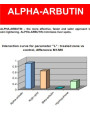
Alpha Arbutin (Switzerland)
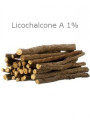
Safe-B3™ (Vitamin B3, Niacinamide)
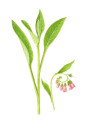
Allantoin
GlucoBright™ (Acetyl Glucosamine)
Phenoxyethanol (Extra Pure)

Pure MSM™ (Methylsulfonylmethane)
Tranexamic Acid (Trans-White™)