Adjusting Silicone-Based Formula for Powdery Texture and Silicone Base Differences
Question
I am looking to create a cosmetic formula (like a primer or base) that is less liquid, lighter, smoother, and has a powdery finish. The staff provided the following sample formula:
- Silicone Gel Ultra Clear 72.5%
- Titanium Dioxide Nano EasyDisperse™ 3%
- Silk Mica Powder ชนิดด้าน (Matte) 17%
- Cyclomethicone 5%
- Silicone Blender 2%
- SiliSolve™ 0.5%
Could you please advise on how to adjust this formula or similar silicone-based formulas to achieve the desired texture?
Additionally, I would like to understand the difference between the silicone base used in this formula (Silicone Gel Ultra Clear) and other silicone bases like DC9045. Do the numbers in silicone product names (like in DC9045) indicate differences in their properties or composition?
Answer
Formula Adjustment for Powdery Finish and Texture
To make your current liquid formula less liquid, lighter, smoother, and have a powdery finish, you can adjust the ingredients by adding components that provide thickening and a dry, powdery feel.
Suggestions for Adjustment:
- Add Silicone Elastomer Powder: Ingredients like
Silicone Elastomer Powderare excellent for increasing viscosity, absorbing oil (including skin sebum), and providing a soft, matte, and powdery feel. Adding a small percentage (e.g., 0.5-5%) and adjusting as needed can significantly change the texture. - Consider Silicone Gel Ultra Low Viscosity (Super Powderly): This type of silicone gel is specifically designed to provide maximum smoothness and a dry, powdery finish, similar to silk powder. It can help achieve the desired texture.
- Adjust Powder Ratios: The staff formula already includes
Mica PowderandTitanium Dioxide. Increasing the percentage of these powders, particularly theMica Powderwhich contributes to softness and a natural look, can also help achieve a more powdery feel. - Adjust Silicone Gel/Oil Ratios: The balance between the silicone gel (
Silicone Gel Ultra Clear) and volatile silicones (Cyclopentasiloxane) affects the feel and evaporation rate. Adjusting these might also help achieve a lighter feel, though adding powders/elastomers is the primary way to get the powdery finish and thickening.
Remember to make small adjustments and test the texture until you achieve the desired result.
Silicone Bases: Comparison and Naming Conventions
You asked about the difference between your current silicone base and a "silicone base like DC9045" and if numbers indicate differences.
- Comparison to DC9045: The product
Silicone Gel 9040 (e.q. DC 9040, Cyclopentasiloxane Base)is equivalent to DC9040. Its INCI name is Cyclopentasiloxane (and) Dimethicone Crosspolymer. TheSilicone Gel (Ultra Clear, Super Silky)used in the staff's example formula has the INCI name Cyclopentasiloxane (and) Dimethicone/Vinyl Dimethicone Crosspolymer. While both are silicone elastomers in a Cyclopentasiloxane base, the slight difference in the crosspolymer structure (Dimethicone Crosspolymer vs. Dimethicone/Vinyl Dimethicone Crosspolymer) can result in different physical properties, including texture, thickening power, and the feel on the skin (e.g., how powdery or silky it is). This difference in composition is likely why you observed a drier, less liquid texture from a silicone base at another store, which might have been a product equivalent to DC9040 or a similar variant. - Numbers in Chemical Names: Yes, numbers in chemical names often indicate specific properties or grades. For simple silicone oils like Dimethicone, the numbers typically refer to their viscosity (e.g., Dimethicone 5Cs, Dimethicone 350Cs). Higher numbers mean higher viscosity (thicker liquid). For silicone gels or elastomers (like DC9040 or other product names with numbers), the numbers are usually product codes or grade identifiers from the manufacturer. These codes differentiate specific silicone elastomer products which have been synthesized to have particular characteristics, including thickening ability, feel (matte, powdery, silky), and compatibility with other ingredients. So, while not a direct measure like viscosity for simple oils, these numbers do signify different products with distinct textural properties.
By adding ingredients like silicone elastomer powders or specific silicone gels designed for a powdery finish, and understanding the differences between various silicone bases and what the numbers in their names signify, you can effectively modify your formula to achieve the desired texture.
Related Products Mentioned
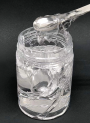
Silicone Gel (Ultra Clear, Super Silky)
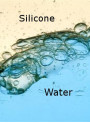
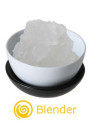
Silicone Blender