Adjusting Sunscreen Cream Formula to Reduce Stickiness
Question
I have formulated a sunscreen cream with the following composition:
- Water: 77%
- SPF Protect Ultra: 20%
- Light Cream Maker: 1.5%
- Phenoxyethanol: 1%
Although Light Cream Maker helps in easily forming the cream texture, the finished product feels sticky after application. How can I adjust this formula to reduce the stickiness and achieve a lighter, smoother texture?
Answer
Adjusting Sunscreen Cream Texture to Reduce Stickiness
Regarding your sunscreen cream formula consisting of Water 77%, SPF Protect Ultra 20%, Light Cream Maker 1.5%, and Phenoxyethanol 1%, we understand you feel a sticky sensation after use, even though Light Cream Maker facilitates easy cream formation.
As suggested by cosmeceutical7, the sticky feeling might not solely be due to Light Cream Maker but could result from the overall composition of the formula, especially with a high percentage of sunscreen actives. The texture can be improved to be lighter and smoother by adding various texture modifiers.
Ingredients to Use for Adjusting Cream Texture to Reduce Stickiness
You can consider using the following groups of ingredients to help reduce the sticky sensation and improve the texture of your sunscreen cream:
- Silicone Group: Such as Cyclopentasiloxane or its replacement, LipidSoft™ Cyclo. These ingredients help the cream feel smooth, easy to spread, and provide a lightweight, non-sticky feel as they can evaporate from the skin quickly. They can be included in the formula at 1-20%. Reducing the water phase slightly and replacing it with silicones, as previously suggested, is one way to achieve a lighter texture.
- Texture Enhancing Powders: These ingredients help absorb oil and provide a soft, powdery feel on the skin, making the cream look more matte and significantly reducing stickiness. Examples include:
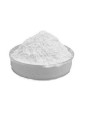
- AminoSilk™ (Lauroyl lysine): A powder that imparts exceptional softness and smoothness, aiding spreadability. It can be used at approximately 1-5% (3% is recommended).
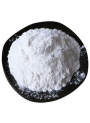
- PowderCream™ (Water Absorbing PMMA): A PMMA polymer powder designed to make the cream texture feel like powder upon application. It provides a dry, comfortable feel and absorbs oil and water. It can be used at approximately 1-15%.
- MatteSilica™: A porous silica powder that absorbs oil and provides a matte, slippery feel. It can reduce stickiness and improve glide. It can be used at approximately 0.1-20%.
Basic Formula Adjustment Method
- Reduce the Water Phase: As per the previous suggestion, you can try reducing the amount of water slightly (e.g., 5-15%) to make room for other texture modifiers.
- Add Silicones or Replacements: Incorporate Cyclopentasiloxane or LipidSoft™ Cyclo at 5-15% to replace the reduced water. These ingredients will make the texture smoother and lighter.
- Add Texture Powders: Add AminoSilk™, PowderCream™, or MatteSilica™ at the recommended percentages (e.g., AminoSilk 3%, PowderCream 5%, MatteSilica 2%) during the final step of cream making. Blend them well into the cream until evenly dispersed. These powders will help absorb oil, reduce stickiness, and provide a soft, smooth feel on the skin.
When adjusting the formula, it's best to start with small amounts and increase or decrease as needed to achieve the desired feel. Always ensure the total percentage of all ingredients adds up to 100%.
Besides the ingredients mentioned above, some lightweight emollients like LipidSoft™ Moist can also help improve texture without adding stickiness. Consider using them if you wish to add moisture while maintaining a light feel.
Related Products Mentioned
Light Cream Maker™
Phenoxyethanol (Extra Pure)
AminoSilk™ (Lauroyl lysine)
MatteSilica 5™ (5 Micron)
PowderCream™ (Water Absorbing PMMA)
LipidSoft™ Moist (Triethylhexanoin)

SPF Protect Ultra™ II