Adjusting Water-in-Oil Sunscreen Formula for Texture, Stability, and SPF
Question
I have adjusted a sunscreen formula based on a previous topic. The current formula is:
- SPF Protect Ultra: 20%
- Titanium nano: 3.00%
- Light Cream Maker: 1.50%
- LipidSoft™ dry: 10.00%
- Water in Oil: 3.00%
- PowderCream: 2%
- MatteSilica™: 2%
- Phenoxyethanol: 0.50%
- Disodium EDTA: 0.20%
- Distilled Water: Remaining amount
The mixing method used was:
- Combine the water phase (Distilled Water, Disodium EDTA, PowderCream, MatteSilica, Light Cream Maker, Phenoxyethanol).
- Combine the oil phase (SPF Protect Ultra, LipidSoft Dry, Water in Oil, Titanium).
- Pour the water phase into the oil phase and mix at high speed.
After mixing, the cream has a greenish tint, is very waterproof, not overly white, but feels quite oily on the face. After leaving it overnight, there is a slight separation of yellowish oil.
My questions are:
- Can you help adjust the formula to make it less oily?
- How can I fix the slight oil separation?
- Can I add beige color to the formula?
- I want to boost the SPF and PA values further, but I can't add more SPF Protect Ultra because it's expensive and oily. Can I add another ingredient at 5% to boost SPF/PA? If yes, should it be added to the oil phase?
- Should Light Cream Maker be added to the oil phase instead of the water phase? (In my current attempt, I added it to the water phase).
Thank you.
Answer
Sunscreen Formula Adjustment Recommendations
Based on your current sunscreen formula and observations, here are recommendations to address the oiliness, separation, color addition, SPF boosting, and ingredient placement:
1. Reducing Oiliness
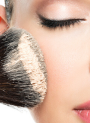
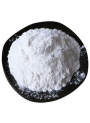
Your current formula has a relatively high oil phase, contributing to the oily feel. To reduce oiliness, you can decrease the amount of LipidSoft™ Dry. While PowderCream™ and MatteSilica™ are already included to help absorb oil and provide a matte finish, reducing the primary emollient will have a significant impact.
2. Fixing Oil Separation
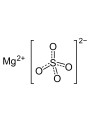
The slight oil separation you observed is common in water-in-oil (W/O) emulsions like yours if not properly stabilized. The Water-in-Oil EZ™ emulsifier works best in W/O formulas when Magnesium Sulfate is included in the water phase. Adding 1% Magnesium Sulfate to your water phase will significantly improve the stability of the emulsion and prevent separation.
3. Adding Beige Color
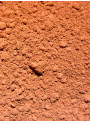
Yes, you can add beige color to your formula. Beige Iron Oxides EasyMix™ is suitable for this purpose and should be dispersed in the oil phase of your formulation.
4. Boosting SPF and PA
Adding 5% more SPF Protect Ultra™ III would increase the total percentage of this ingredient to 8%. While this will provide some boost, it might not significantly increase the SPF/PA to a very high level and will likely increase the oiliness, which you want to avoid. A more effective way to boost both SPF and PA, while also helping with oil control, is to add Zinc Oxide. You can add Zinc Oxide (Ultra-Fine, Non-Yellow, Non-Coated, USP) to the oil phase. Adding around 5-10% Zinc Oxide can substantially increase the SPF and PA values.
5. Light Cream Maker Placement
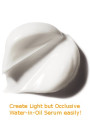
Light Cream Maker™ is designed as an oil-in-water (O/W) emulsifier and thickener. Your formula uses Water-in-Oil EZ™ to create a water-in-oil (W/O) emulsion. Using an O/W emulsifier in a W/O system is incorrect and can lead to instability and separation. You should remove Light Cream Maker™ from your formula.
Revised Mixing Approach (Water-in-Oil Emulsion)
Based on the recommendations, here is a suggested revised mixing approach:
- Water Phase: Combine Distilled Water, Disodium EDTA, and Magnesium Sulfate. Stir until dissolved.
- Oil Phase: Combine SPF Protect Ultra™ III, LipidSoft™ Dry (at a reduced percentage), Water-in-Oil EZ™, Titanium Dioxide Nanosil, PowderCream™, MatteSilica™, Beige Iron Oxides EasyMix™, and Zinc Oxide. Disperse all powders thoroughly in this oil phase using a high-speed mixer or homogenizer.
- Gradually add the Water Phase to the Oil Phase while continuously stirring or homogenizing at high speed until a stable emulsion is formed.
- Add Phenoxyethanol and mix well.
By implementing these changes, you should achieve a less oily texture, prevent oil separation, successfully incorporate beige color, boost SPF/PA, and correct the emulsifier usage for a stable water-in-oil formula.
Related Products Mentioned
Light Cream Maker™
Phenoxyethanol (Extra Pure)
Disodium EDTA
Beige Iron Oxides EasyMix™
MatteSilica 5™ (5 Micron)
PowderCream™ (Water Absorbing PMMA)

LipidSoft™ Dry

Purified Water, TDS Limit 1PPM)
Titanium Dioxide Nanosil