Advice on Acne/Oil Control Gel Formulation
Question
I am developing a gel formulation for acne, oil control, and hydration. I would appreciate your feedback on the following formula:
- Tea Tree Oil (0.5%)
- Witch Hazel Extract (10%)
- Licorice Extract (0.5%)
- Vitamin B5 (Panthenol) (5%)
- Hyaluronic Acid (0.1%)
- Carbopol 940 (0.7%)
- Triethanolamine (0.2%)
- Phenoxyethanol (0.8%)
Please advise on the suitability of the ingredients and percentages, potential issues, and recommendations for formulation and stability.
Answer
Advice on Your Gel Formulation
Your proposed gel formula includes several excellent ingredients for addressing acne, providing antibacterial benefits, controlling oil, and offering hydration. Here's a review of the components and some advice:
- Tea Tree Oil (0.5%): This is a good concentration for antibacterial properties and acne treatment, within the recommended usage rate for facial products.
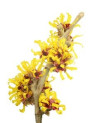
- Witch Hazel Extract (10%): Known for its astringent properties, 10% is a suitable amount to help tighten pores and control oiliness, aligning with typical usage in toners and gels.
- Licorice Extract (0.5%): This extract is beneficial for reducing inflammation, redness, and oiliness associated with acne. The concentration of 0.5% is appropriate for these effects.
- Vitamin B5 (Panthenol) (5%): Panthenol is great for hydration, soothing skin, reducing inflammation, and supporting wound healing, which is helpful for acne-prone skin. While 5% is within the acceptable range, concentrations above 5% can sometimes lead to a sticky texture in the final product. You may want to test the texture and consider slightly reducing it if stickiness is an issue, although 5% offers significant skin benefits.
- Hyaluronic Acid (0.1%): This provides essential hydration without adding oiliness, balancing the astringent ingredients. 0.1% is a standard and effective concentration for general skin hydration.
- Carbopol 940 (0.7%) and Triethanolamine (0.2%): Carbopol 940 is a common gelling agent neutralized by an alkali like Triethanolamine (TEA). The ratio of TEA to Carbopol is critical for proper gel formation and stability. The typical ratio of TEA to Carbomer 940 for neutralization is around 0.5:1 to 1.5:1. Your proposed ratio of 0.2:0.7 is approximately 1:3.5, which might be insufficient to fully neutralize the Carbomer 940. This could result in a less viscous gel than expected or potential stability issues over time. You will likely need to adjust the amount of Triethanolamine to achieve the desired gel consistency and ensure the final pH is in the optimal range.
Key Considerations for Formulation:
- pH Adjustment: The final pH of your gel is crucial. Carbomer 940 gels best in a pH range of 6-7 after neutralization. However, ingredients like Licorice Extract (pH 3.5-6.5) and Tea Tree Oil (pH 4.0-6.5) work best in slightly acidic to neutral conditions. A final pH between 5.5 and 6.5 would be ideal to ensure the efficacy and stability of all active ingredients while being skin-compatible. You will need to measure the pH after adding Triethanolamine and adjust as necessary, potentially using slightly more TEA than 0.2% to reach the target pH and achieve proper gelling.
- Mixing Procedure: Ensure Carbomer 940 is fully dispersed in the water phase before adding Triethanolamine for neutralization. Hyaluronic Acid also requires specific steps to dissolve properly (often requiring soaking or high-speed mixing). Add ingredients that are sensitive to pH (like Licorice Extract) after the Carbomer has been neutralized and the pH is adjusted.
- Preservation: Phenoxyethanol at 0.8% is a suitable preservative concentration to protect the water-based gel from microbial growth.
Overall, the ingredient selection is promising for your intended product. The main technical point to focus on during preparation will be the neutralization of Carbomer 940 and achieving the correct final pH for optimal texture, stability, and ingredient efficacy.
Related Products Mentioned
Triethanolamine 99%
Phenoxyethanol (Extra Pure)
Tea Tree Oil (Water Soluble)
Carbomer 940 (EasyDisperse™, France)