Advice on Antioxidant, Anti-Irritant Ingredients, and L-Ascorbic Acid Solvents
Question
I would like to ask which antioxidant ingredient is the best and which anti-irritant ingredient is the best. Also, which of the following solvents can dissolve L-ascorbic acid, potentially with heat:
- Methylpropanediol
- Isopentyldiol
- 1,2-Hexanediol
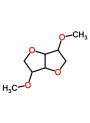
- Dimethyl Isosorbide (DMI)
- Glycerin 99.5%?
Answer
Cosmetic Formulation Advice
Here is some information regarding your questions about antioxidant and anti-irritant ingredients, as well as solvents for L-ascorbic acid.
Top Antioxidant Ingredients
Identifying the absolute "best" antioxidant can depend on the specific formulation and desired outcome. However, based on their properties and common use in cosmetics, here are some highly effective antioxidant ingredients known for generally low irritation potential:
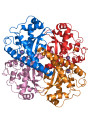
- SOD (Superoxide dismutase): A powerful antioxidant enzyme that helps protect cells from damage.
- Glutathione: A high-purity antioxidant that can also help with skin brightening.
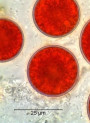
- Astaxanthin: A potent antioxidant derived from algae, known for protecting skin from UV damage and improving moisture and elasticity.
- Dimethylmethoxy Chromanol: An antioxidant considered more effective than Vitamin E, helping to prevent oxidation and reduce wrinkles.
- Hydroxyacetophenone: Acts as an antioxidant and also provides a soothing, anti-irritant effect.
Top Anti-Irritant Ingredients
Similar to antioxidants, the best anti-irritant depends on the type and cause of irritation. However, several ingredients are widely recognized for their soothing properties and are generally well-tolerated:
- Glycyrrhetinic acid (Enoxolone): Extracted from licorice, it has strong anti-irritant and anti-inflammatory effects.
- Dipotassium Glycyrrhizate (DPG): Another licorice derivative known for reducing inflammation, allergies, and strengthening the skin barrier to reduce irritation.
- Stearyl Glycyrrhetinate: An ester of glycyrrhetinic acid with anti-inflammatory and soothing properties, also supporting the skin barrier.
- Portulaca Extract: Contains compounds like Omega-3 fatty acids and flavonoids that effectively reduce skin irritation.
- ActiveRelease Oat™ (Hydroxyphenyl Propamidobenzoic Acid): An encapsulated ingredient derived from oats, shown to reduce itching and redness.
Solvents for L-Ascorbic Acid
You asked which of the following solvents can dissolve L-ascorbic acid, potentially with heat: Methylpropanediol, Isopentyldiol, 1,2-Hexanediol, Dimethyl Isosorbide (DMI), and Glycerin.
L-ascorbic acid itself is soluble in water. The solubility in other solvents can vary. Based on the information available:
- Dimethyl Isosorbide (DMI): This is a known solvent and penetration enhancer often used with L-ascorbic acid to improve its efficacy and stability. It can dissolve L-ascorbic acid.
- Methylpropanediol, Isopentyldiol, 1,2-Hexanediol, and Glycerin: These are all water-soluble glycols commonly used as solvents and humectants in cosmetic formulations. While their descriptions don't explicitly state their ability to dissolve L-ascorbic acid, given that L-ascorbic acid is water-soluble and these are miscible with water, they can likely dissolve L-ascorbic acid, especially with the assistance of gentle heat (as is sometimes recommended for dissolving L-ascorbic acid powder).
When formulating with L-ascorbic acid, it's crucial to consider its stability, as it easily oxidizes in water. Using appropriate co-solvents and formulating at an optimal pH (typically 2.0-4.0, but FDA requires pH >= 3.5 for leave-on products) are important for maintaining its effectiveness.
Related Products Mentioned
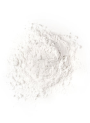
Vitamin C (L-ascorbic acid) (Ultra-Fine)
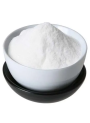
Vitamin C (L-ascorbic acid) (Fine)
Glycerin (USP/Food Grade)
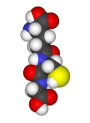
Glutathione (L-Glutathione) (Extrasol)
Glycyrrhetinic acid (Enoxolone)
Stearyl Glycyrrhetinate
Isopentyldiol
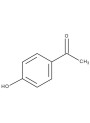
Dimethyl Isosorbide (DMI)
SOD (Superoxide dismutase) (50000IU/g)
Astaxanthin (10% Algae Extract, Oil)
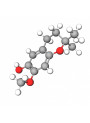
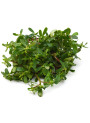
Portulaca Extract (Red/Yellow Liquid)
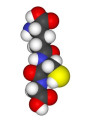
Glutathione (L-Glutathione Reduced)
Methylpropanediol