Advice on Cleansing Water Formulation for Dry Skin
Question
I am developing a cleansing water formula for dry skin and have some questions regarding ingredient selection, alternatives, and general formulation practices.
My current formula draft includes:
- Coco Wash 3%
- MakeUp-Wash 3%
- Propylene Glycol 10%
- Cucumber Extract 5%
- Phenoxyethanol 0.6%
- Disodium EDTA 0.2%
- Water (type uncertain)
Specifically, I need advice on:
- Cleaning Ability: Is the combination and percentage of Coco Wash and MakeUp-Wash sufficient for removing makeup like foundation and eyeliner? What is the recommended usage range?
- Glycols: Is Propylene Glycol at 10% suitable for dry/sensitive skin, or should I consider an alternative like Butylene Glycol? What are the pros and cons?
- Cucumber Extract: Is 5% an appropriate percentage for Cucumber Extract in this type of formula, and what benefits does it provide?
- Preservatives: Is Phenoxyethanol at 0.6% adequate, or should I consider alternatives like Mild Preserved Eco™? What are the differences in effectiveness, odor, and properties?
- Disodium EDTA: What is the purpose of Disodium EDTA, and is 0.2% an appropriate amount?
- Type of Water: What type of water (e.g., distilled water for cars, cosmetic-grade distilled water, RO water, boiled water) should I use?
- Ingredient Storage: What are the general guidelines for storing leftover cosmetic ingredients, especially extracts?
Answer
Advice for Cleansing Water Formula for Dry Skin
Regarding the cleansing water formula you plan to try, your questions, and the advice from other users, here is some additional information:
Cleaning Ability
The initial formula uses Coco Wash and MakeUp-Wash at 3% each, which are gentle surfactants suitable for dry skin and used in makeup remover products. According to the product information for Coco Wash and MakeUp-Wash, the recommended usage rate is 3-5% for cosmetic cleansing, or up to 10%. If you try the formula and find it doesn't effectively remove foundation or eyeliner as desired, you can consider increasing the proportion of both Coco Wash and MakeUp-Wash, for example, to 5-6% as suggested by another user. Increasing these ingredients within the appropriate range will not dry out the skin but will increase the cost of the formula.
Propylene Glycol vs Butylene Glycol
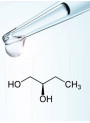
Your formula uses Propylene Glycol at 10%, which is a good solvent and humectant. However, as mentioned in the replies and the product description for Butylene Glycol, Butylene Glycol is a gentler alternative to Propylene Glycol and is less likely to cause skin irritation. If you experience stinging or discomfort with Propylene Glycol, especially at a high concentration like 10%, switching to Butylene Glycol at a similar or slightly lower percentage (like 8%) might be a better option for dry or sensitive skin. Butylene Glycol also functions as a solvent and humectant.
Cucumber Extract
Cucumber Extract has properties that help soften the skin and reduce irritation, making it suitable for facial and eye area products. Including it at 5% is within the recommended range (3-5%) and will help provide a soothing and moisturizing feel, which is beneficial for dry skin.
Preservatives (Phenoxyethanol vs Mild Preserved Eco)
Your formula uses Phenoxyethanol at 0.6%, a common and relatively safe preservative effective against bacteria but less so against fungi, and it can sometimes have a distinct odor. The description for Phenoxyethanol (Extra Pure) indicates it's a high-purity grade to reduce irritation risk and suggests combining it with other preservatives or using a broader-spectrum grade if needed. Another user suggested using Mild Preserved Eco™ as an alternative due to its lack of odor and moisturizing properties. Mild Preserved Eco™ is a blend of Ethylhexylglycerin and 1,3 Propanediol, not classified as a traditional preservative by the FDA, and also acts as a humectant. It is used at a rate of 0.5-2.0%. If the odor of Phenoxyethanol is a concern or you want an ingredient that also provides moisture, Mild Preserved Eco™ could be an interesting option.
Disodium EDTA
Disodium EDTA is a chelating agent that helps bind metal ions in water, preventing them from interfering with other ingredients in the formula and helping to improve product stability. It is especially useful if you are not using highly purified water. Adding 0.2% Disodium EDTA as suggested will help enhance the stability of your cleansing water.
Type of Water to Use
It is not recommended to use distilled water intended for car radiators in cosmetic formulations. Car distilled water may contain impurities or be produced under conditions not suitable for skin contact. You should use cosmetic-grade or laboratory-grade distilled water (Distilled Water / Deionized Water), Reverse Osmosis (RO) water, or clean, boiled water. If using RO or clean water, adding Disodium EDTA is helpful, but cosmetic-grade distilled water is ideal.
Storing Leftover Ingredients
Generally, most cosmetic ingredients, especially extracts and some liquids, should be stored in a cool, dry place away from direct sunlight and heat, with the container tightly sealed. Some ingredients, like Cucumber Extract, specifically recommend refrigeration. Always check the specific storage instructions provided with each ingredient you purchase.
Hope this information is helpful for your cleansing water experiment!
Related Products Mentioned
Propylene Glycol (USP)
Phenoxyethanol (Extra Pure)
Disodium EDTA
Coco Wash™ (PEG-7 Glyceryl Cocoate)

Cucumber Extract (France)
Butylene Glycol