Advice on Vitamin C and AHA Serum Formulations
Question
I am developing two serum formulations, one with Vitamin C and one with AHA. I would like feedback on my proposed formulas and mixing methods, specifically addressing the following questions:
Vitamin C Serum (100 g)
Proposed formula:
- Vitamin C (L-ascorbic acid) 15 g
- Distilled Water 56.5 g
- Ferulic Acid 1 g
- Triethanolamine 99.5% 2.5 g
- Vitamin E (dl-alpha tocopherol) 1 g
- Laureth-23 3 g
- Ethoxydiglycol 20 g
- Phenoxyethanol 1 g
Proposed Mixing Method:
- Mix Vitamin E (dl-alpha tocopherol) + Laureth-23 + Ethoxydiglycol at 70°C.
- Mix Distilled Water + Ferulic Acid + Triethanolamine 99.5%, then combine with mixture from step 1 at 45°C.
- Add Vitamin C (L-ascorbic acid) to mixture from step 2 and stir until dissolved.
- Add Phenoxyethanol.
Questions about the Vitamin C Serum:
- Is it necessary to be precise with the temperature (70°C and 45°C) if I don't have a thermometer?
- Is standard L-ascorbic acid sufficient, or should I use ultrafine?
- Do I need to adjust the pH with Triethanolamine 99.5% and measure it?
- Will this formula result in a lightweight texture? Do I need to add or reduce anything?
AHA Serum (100 g)
Proposed formula:
- Glycolic Acid (AHA) 70% 14 g
- Distilled Water 85 g
- Phenoxyethanol 1 g
Proposed Mixing Method:
- Mix Glycolic Acid with distilled water until combined, then add preservative.
Questions about the AHA Serum:
- Are these ingredients sufficient for a basic AHA serum?
- Do I need to measure and adjust the pH?
- Do I need to add a skin carrier to this formula?
Answer
Advice on Your Vitamin C and AHA Serum Formulations
Here is some advice regarding your simple Vitamin C and AHA serum formulations, based on your questions and the feedback provided.
Vitamin C Serum (100 g)
Your proposed formula:
- Vitamin C (L-ascorbic acid) 15 g
- Distilled Water 56.5 g
- Ferulic Acid 1 g
- Triethanolamine 99.5% 2.5 g
- Vitamin E (dl-alpha tocopherol) 1 g
- Laureth-23 3 g
- Ethoxydiglycol 20 g
- Phenoxyethanol 1 g
Proposed Mixing Method:
- Mix Vitamin E (dl-alpha tocopherol) + Laureth-23 + Ethoxydiglycol at 70°C.
- Mix Distilled Water + Ferulic Acid + Triethanolamine 99.5%, then combine with mixture from step 1 at 45°C.
- Add Vitamin C (L-ascorbic acid) to mixture from step 2 and stir until dissolved.
- Add Phenoxyethanol.
Feedback and Revised Mixing Method
Based on the feedback, here is a revised mixing approach and answers to your questions:
Revised Mixing Steps:
- Gently warm Laureth-23 and Ethoxydiglycol together until the Laureth-23 melts and combines. Let it cool slightly before adding Vitamin E (dl-alpha tocopherol) to prevent heat degradation of the vitamin.
- Add Ferulic Acid to the mixture from step 1 while it is still warm and stir until dissolved.
- Separately, mix Vitamin C (L-ascorbic acid) with the distilled water.
- Combine the Vitamin C/water mixture from step 3 with the mixture from step 2.
- Add Phenoxyethanol.
- Triethanolamine 99.5% should be reserved for the final step to adjust the pH if needed.
Answers to Your Questions:
- Temperature Precision: You don't need to be exact with the temperature, especially if you don't have a thermometer. The key is to warm the Laureth-23 and Ethoxydiglycol just enough for the Laureth-23 to melt and dissolve. Warming until it feels comfortably warm to the touch is sufficient. Avoid high heat, especially when adding Vitamin E.
- Vitamin C Type: Using standard L-ascorbic acid is perfectly fine for this formula, especially for trying it out. Ultrafine is not necessary and would be a waste of money in this context.
- pH Adjustment: If you are making this serum for personal use and not for sale, you do not necessarily need to adjust the pH with Triethanolamine 99.5% or measure it. The formula will still be effective. However, if you plan to sell the product, you must measure and adjust the pH to meet regulatory requirements (typically pH 3.5 or higher in some regions) using Triethanolamine 99.5%.
- Texture and Formula Adjustments: The current formula does not include a thickener, so it will naturally have a light, watery texture, which aligns with your goal. No additions or reductions are strictly necessary for a basic serum with this texture.
AHA Serum (100 g)
Your proposed formula:
- Glycolic Acid (AHA) 70% 14 g
- Distilled Water 85 g
- Phenoxyethanol 1 g
Proposed Mixing Method:
- Mix Glycolic Acid with distilled water until combined, then add preservative.
Feedback and Answers to Your Questions:
Based on the feedback, this formula will result in a Glycolic Acid concentration of 9.8% (14g of 70% solution in 100g total). The resulting texture will be very liquid, like a toner.
Answers to Your Questions:
- Sufficiency of Ingredients: Yes, these ingredients are sufficient if your objective is a simple Glycolic Acid toner. Whether it's "enough" depends on the specific purpose you have in mind beyond basic exfoliation.
- pH Measurement: If you are making this for personal use, measuring the pH is not strictly required for effectiveness. In fact, a lower pH can increase efficacy. However, high concentrations and low pH can cause irritation. If you are not measuring pH, it is highly recommended to neutralize your skin after using the serum by wiping your face with a solution of Sodium Bicarbonate mixed with water. If you plan to sell this product, you must measure and adjust the pH to meet regulatory requirements (typically pH 3.5 or higher for concentrations up to 10%).
- Skin Carrier: You do not need to add a skin carrier to this formula. Glycolic Acid has a small molecular size and can penetrate the skin effectively on its own.
Important Note
Always perform a patch test before applying any new formulation to your entire face to check for irritation or allergic reactions.
Related Products Mentioned
Pure-Ferulic Acid™
Vitamin E (dl-alpha tocopherol)
Ethoxydiglycol (e.q. Transcutol)
Triethanolamine 99%
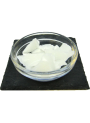
Laureth-23
Phenoxyethanol (Extra Pure)
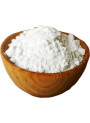
Sodium Bicarbonate
Glycopure™ (Glycolic Acid (AHA) Powder)