AHA Gel/Mask Formulation: pH and Stability Issues
Question
I am trying to formulate two products:
A gel for acne-prone, dehydrated skin with the following ingredients and percentages:
- Aloe Vera Extract
- Panthenol (Vitamin B5)
- Pro Polymer
- Allantoin
- Phenoxyethanol SA
- AHA (Glycolic Acid) 5%
- Zinc PCA
- Safe-B3™ (Niacinamide)
An AHA mask with 10% AHA.
Could you please provide guidance on formulating these products, particularly regarding potential issues with pH, ingredient compatibility, stability, and the correct mixing procedure for the first formula? I am concerned about the high concentration of AHA and its impact on the other ingredients and the final product.
Answer
Gel for Acne-Prone, Dehydrated Skin
Your first formula contains several beneficial ingredients for acne, hydration, and skin barrier support:
- Aloe Vera Extract: Known for its soothing, anti-inflammatory, and moisturizing properties. It helps reduce irritation and hydrate the skin.
- Panthenol (Vitamin B5): A great humectant that helps retain moisture, strengthens the skin barrier, reduces inflammation, and aids in wound healing, which is beneficial for acne-prone skin and reducing scarring.
- Pro Polymer: This is your gel-forming agent. It creates the gel texture. It's important to note that it can be sensitive to electrolytes, which are present in some of your other ingredients like Zinc PCA. This means you might need a higher concentration of Pro Polymer or a specific mixing method to achieve the desired gel consistency.
- Allantoin: Helps reduce irritation and promotes tissue regeneration, useful for soothing sensitive skin and healing acne marks.
- Phenoxyethanol SA: A broad-spectrum preservative to keep your product safe from microbial growth. It needs to be added in the final step at a temperature below 60°C and works best within a specific pH range.
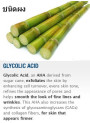
- AHA (Glycolic Acid): Included for exfoliation to help improve skin texture and reduce the appearance of acne marks. However, as noted, AHA significantly lowers the pH of the formula, which can affect the stability and efficacy of other ingredients and potentially cause skin irritation if the pH is too low.
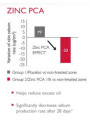
- Zinc PCA: Helps control oiliness, accelerates wound healing (beneficial for acne scars), stimulates collagen, and has some anti-inflammatory properties. Its solubility is best within a pH range of 4-6.
- Safe-B3™ (Niacinamide): A versatile ingredient that helps reduce hyperpigmentation (acne marks), strengthens the skin barrier, adds moisture, and can help reduce oiliness. It works best in a pH range of 4.0-7.0.
Suitability for Different Skin Types
As the previous response mentioned, creating a single formula that perfectly suits both very dry and very oily skin can be challenging. This formula contains ingredients beneficial for both (hydration from Aloe Vera and Panthenol, oil control from Zinc PCA, barrier support from Niacinamide), but the balance might need adjustment depending on the specific needs. For very dry skin, you might need additional humectants or emollients, while for very oily skin, you might focus more on the oil-controlling and anti-inflammatory aspects. However, this formula provides a good base for acne-prone skin that is also dehydrated.
pH Considerations
The most critical point, as highlighted by the staff, is the pH level, especially with 5% AHA. Glycolic Acid is highly acidic (pH 0.4-0.6 as a raw material), and at 5%, it will significantly lower the final pH of your gel. Many of your other ingredients (Panthenol, Zinc PCA, Niacinamide, Phenoxyethanol SA) have optimal or required pH ranges that might be compromised by a very low pH.
- AHA is most effective at a low pH (ideally 2.5-4.0), but for consumer products, the FDA recommends a pH no lower than 3.5.
- Zinc PCA's solubility is best between pH 4-6.
- Niacinamide is most stable and effective between pH 4.0-7.0.
- Phenoxyethanol SA works within pH 2.0-6.0.
- Panthenol works best between pH 3.5-7.0.
- Aloe Vera Extract works between pH 3.5-7.
If the final pH is too low (e.g., below 3.5), it could reduce the effectiveness or stability of ingredients like Zinc PCA, Niacinamide, and Panthenol, and potentially cause irritation. Therefore, measuring and adjusting the pH after mixing is essential. You may need to use a pH adjuster (like a dilute sodium hydroxide solution) to bring the pH up to at least 3.5, ideally within the 4.0-6.0 range to accommodate Zinc PCA and Niacinamide while still allowing AHA to be reasonably effective (though its efficacy decreases as pH rises above 4.0).
Mixing Instructions (First Formula)
Here is a suggested mixing procedure, keeping in mind the solubility and compatibility of the ingredients:
- Prepare the Water Phase: Measure out the required amount of water.
- Disperse Pro Polymer: Slowly sprinkle the Pro Polymer powder onto the surface of the water while stirring gently. Avoid high-speed blending at this stage to prevent damaging the polymer structure. Let it hydrate for some time (as per the product description, leaving it for 1 day can help if not using high-speed mixing, but gentle stirring for 3-5 minutes might suffice for initial dispersion before adding other ingredients). If you are using glycerin or propylene glycol in your formula (though not listed in your provided percentages, it's common in gels), you could disperse the Pro Polymer in that first before adding the water.
- Add Water-Soluble Powders (Except pH-Sensitive/Electrolytes): Once the Pro Polymer is dispersed (it won't be fully thickened yet), add Allantoin and Panthenol to the water phase and stir until dissolved. Allantoin has limited solubility at room temperature (0.5%), so ensure it's fully dissolved based on your concentration (0.4% should be fine).
- Add Extracts: Add the Aloe Vera Extract to the mixture and stir to combine.
- Add Electrolytes/pH-Sensitive Actives: Add Zinc PCA and Safe-B3™ (Niacinamide) to the mixture and stir until dissolved. Be aware that Zinc PCA is an electrolyte and might affect the viscosity built by Pro Polymer.
- Add AHA: Carefully add the AHA (Glycolic Acid) to the mixture. This will significantly lower the pH.
- Thicken the Gel: Now, you can use gentle blending or stirring to fully develop the gel texture from the Pro Polymer. Do not over-blend (keep below 2500 rpm if using a mixer).
- Measure and Adjust pH: This is a critical step. Use a pH meter to measure the pH of the gel. Slowly add a dilute solution of a pH adjuster (like sodium hydroxide) drop by drop, stirring well after each addition, until the desired pH is reached (ideally between 4.0 and 6.0).
- Add Preservative: Once the pH is adjusted and the temperature is below 60°C, add Phenoxyethanol SA and stir to incorporate.
- Final Check: Stir gently to ensure all ingredients are evenly distributed.
Second Formula (AHA Mask)
Your second formula for an AHA mask uses 10% AHA. As the staff pointed out, this concentration will result in a very low pH, likely below the recommended minimum of 3.5 for consumer products and potentially too low for the stability and efficacy of other ingredients like Panthenol, Safe-B3™ (Niacinamide), Allantoin, and Phenoxyethanol SA. While you can add ingredients to reduce irritation, they will not counteract the low pH itself, which is the primary source of potential irritation and ingredient instability at such a high AHA concentration. Using 10% AHA requires careful pH control and is often recommended for professional use or products with specific buffering systems to manage the pH.
It's advisable to follow the staff's recommendation to first test and adjust the pH of your first formula with 5% AHA to understand the impact of AHA on your specific base before attempting a formula with 10% AHA.
In summary, your first formula has good potential for addressing acne, hydration, and marks, but careful pH management after mixing is crucial for safety, efficacy, and ingredient stability. The second formula with 10% AHA presents significant pH challenges that need to be addressed to ensure the product is safe and effective.
Related Products Mentioned
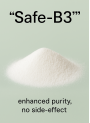
Safe-B3™ (Vitamin B3, Niacinamide)

Allantoin
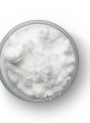
Pro Polymer™ (Gel Maker)
Zinc PCA
Glycopure™ (Glycolic Acid (AHA) Powder)