Air Bubbles in Gel Formula, Ingredient Solubility, and Daytime Use
Question
I am making a gel formula and encountered air bubbles, likely due to mixing all ingredients from step 2 together before adding them to the gel base. I have two specific questions:
- If using Butylene Glycol at 5%, do I need to add another solvent, or can it be added directly since it dissolves in Silicone?
- Can this cream formula be used during the day?
Answer
Based on the conversation, the air bubbles in your gel formulation likely occurred due to the mixing method, specifically mixing all the ingredients in your step 2 together before adding them to the gel base. Stirring too vigorously can also introduce more air.
Here are the suggested ways to address the air bubbles:
- Let it sit: You can leave the gel undisturbed for a period (potentially several weeks) to allow the bubbles to dissipate naturally.
- Add a defoaming agent: You can add a small amount (around 5%) of an ingredient that helps reduce foam, such as Silicone (like Dimethicone) or Glycol (like Butylene Glycol). Add it to your formula and stir gently; the bubbles should gradually decrease. You can add Butylene Glycol or Dimethicone directly to the formula without needing another solvent first.
The staff also clarified the mixing process: Instead of mixing all the ingredients in your step 2 together first, add each ingredient individually to the gel base created in step 1 and mix gently. This can help prevent excessive bubble formation during the process.
Please note that the presence of air bubbles does not affect the efficacy of your gel formula. It can still be used as intended.
Regarding your question about using the formula during the day, yes, this formula can be used during the day as usual.
Related Products Mentioned

Pal-GHK, Pal-GQPR (eq Matrixyl 3000)
Safe-B3™ (Vitamin B3, Niacinamide)
Pro Polymer™ (Gel Maker)
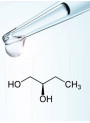
Butylene Glycol

Panthenol (Vitamin B5) ExtraLite™