Alcohol Gel Formulation: Ingredient Compatibility and Thickener Choice
Question
I want to make an alcohol gel using the following ingredients. Are they compatible, and are the specified percentages suitable? Should I switch from Glycerin Gel (Glyceryl Polyacrylate) to AnyGel instead?
Ingredients:
- Ethyl Alcohol 95% 80 %
- Sodium PCA 50% 8%
- Glycerin Gel (Glyceryl Polyacrylate) 10%
- Mild Preserved Eco™ (Preservative-Free) 2%
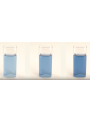
- Gardenia Blue Pigment สีน้ำเงิน จากการ์ดีเนีย (ผง) เล็กน้อย
Answer
Alcohol Gel Formulation Compatibility
You're planning to make an alcohol-based gel with a high concentration of alcohol, which is common for hand sanitizers. Let's look at the compatibility of your proposed ingredients and percentages.
Your formula includes:
- Ethyl Alcohol 95% at 80% (resulting in approximately 76% absolute alcohol)
- Sodium PCA 50% at 8%
- Glycerin Gel (Glyceryl Polyacrylate) at 10% OR AnyGel (Dehydroxanthan Gum) as an alternative
- Mild Preserved Eco™ at 2%
- Gardenia Blue Pigment (powder) at a small amount
Ingredient Compatibility and Suitability
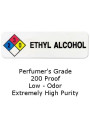
Ethyl Alcohol 95%: Using 80% of 95% alcohol gives you approximately 76% absolute alcohol in the final product, which is an effective concentration for sanitizing purposes. This ingredient is compatible with many cosmetic ingredients.
Sodium PCA 50%: This is compatible with alcohol and acts as a moisturizer. However, using 8% of the 50% solution means you have 4% active Sodium PCA in the final formula. While gentle, this concentration is higher than typically used for moisturizing (usually 0.5-2% active) and might result in a sticky feeling in an alcohol gel. You might consider reducing this to 2-4% of the 50% solution (1-2% active) to minimize stickiness while still providing some moisturizing benefit.
Mild Preserved Eco™: This preservative blend is compatible with alcohol, and the proposed 2% usage rate is suitable, especially for a product like a hand gel which needs robust preservation.
Gardenia Blue Pigment: As a water-soluble pigment powder, a small amount should be compatible and disperse in the formula.
Thickeners (Glycerin Gel vs. AnyGel): This is the main challenge in your formula.
- Glycerin Gel (Glyceryl Polyacrylate): This ingredient is primarily designed as a gel base or thickener for water-based systems. It is generally not suitable for thickening formulas with very high alcohol concentrations (like 76%), as the alcohol can disrupt its gel structure, leading to a thin or separated product.
- AnyGel™ (Dehydroxanthan Gum): This is also a water-based gelling agent. While it offers good resistance to electrolytes, its ability to effectively thicken at a very high alcohol concentration like 76% is not guaranteed. Furthermore, the recommended usage rate for AnyGel is typically 1-2.5%, not the 10% you proposed for the alternative. Using 10% AnyGel would likely result in an extremely thick, unusable gel.
For high-alcohol gels (around 70% or more), specialized alcohol-tolerant thickeners are usually required to achieve a stable gel consistency. Based on the options you provided and their typical properties, neither Glycerin Gel nor AnyGel are ideal choices for thickening a formula with 76% alcohol. If you must choose between the two, AnyGel might perform slightly better than Glycerin Gel due to its stated resistance properties, but success is not assured, and you would need to use it at its recommended rate of 1-2.5%.
Conclusion
The proposed ingredients are mostly compatible with alcohol, but the high alcohol concentration (76%) presents a significant challenge for the thickeners you've listed. Glycerin Gel (Glyceryl Polyacrylate) is unlikely to work, and AnyGel (Dehydroxanthan Gum), while potentially slightly better, is also not ideal for this alcohol level, and your proposed percentage for it is too high. The percentage of Sodium PCA might also be higher than needed and could cause stickiness.
To create a stable gel at 76% alcohol, you would ideally need a thickener specifically designed for high hydroalcoholic systems.
Related Products Mentioned
Sodium PCA 50%
Mild Preserved Eco™ (Preservative-Free)
AnyGel™ (Dehydroxanthan Gum)