Alcohol Hand Sanitizer Gel Formulation: Texture, Color, and Scent
Question
I want to produce a hand sanitizer gel for killing germs and bacteria, achieving 99.9% effectiveness.
The gel texture should dry and absorb quickly within 20-30 seconds, providing a soft and dry feel without being sticky.
I would like the gel to have a light blue color like Light Blue Mica and a mild, non-pungent scent (without using Fragrance to mask the Alcohol smell).
I have researched and found ingredients and formulas based on discussions on myskinrecipes and have identified a total of 6 ingredients:
- Ethyl Alcohol (99.9%, 200 Proof, Perfumer Grade)
- Pro Polymer
- Glycerin 99.5%
- Aloe Vera Extract (10:1 FullAssay™)
- MOIST24 (Glycereth-26)
- Purified Water
I have developed four formulas I would like to test:
- Formula 1: 1(75%) + 2(0.5%) + 3(5%) + 6(19.5%)
- Formula 2: 1(75%) + 2(0.5%) + 4(5%) + 6(19.5%)
- Formula 3: 1(75%) + 2(0.5%) + 5(5%) + 6(19.5%)
- Formula 4: 1(75%) + 2(0.5%) + 3(5%) + 4(2%) + 5(3%) + 6(15.5%)
Each formula varies only in the ingredients intended to make the skin soft, moisturized, and non-sticky after use.
I would like to ask for advice on which formula (1-4) is most suitable.
Also, if I want the gel to have a light blue color like Alcohol and a mild scent to mask the pungent smell of Alcohol, what ingredients and percentages should I use?
Finally, is it possible to order commercial production in the future?
Answer
Hand Sanitizer Gel Formulation Advice
Thank you for your detailed question and for researching potential ingredients and formulas for your hand sanitizer gel. It's great that you've identified key ingredients for efficacy, gelling, and skin feel.
Your goal is to create a gel that effectively kills germs (99.9%), dries quickly (20-30 seconds), feels soft and non-sticky, has a light blue color, and a mild, non-perfume scent.
The ingredients you've selected are suitable for this purpose:
- Ethyl Alcohol (99.9% Perfumer Grade): This is the active ingredient for killing germs. To achieve 99.9% effectiveness against bacteria and viruses, the final concentration of alcohol in the gel should be between 70-80% by volume. Your formulas use 75% of 99.9% alcohol, which is a good starting point, resulting in a final concentration slightly below 75%, which is within the effective range. Using a low-odor grade like the Perfumer Grade helps minimize the strong alcohol smell.
- Pro Polymer: This acts as the gelling agent to create the gel texture.
- Glycerin, Aloe Vera Extract, and MOIST24: These are included to provide moisture and improve the skin feel, counteracting the drying effect of alcohol.
- Purified Water: Used as a solvent and diluent to achieve the desired final alcohol concentration and dissolve other water-soluble ingredients.
You've proposed four formulas, varying the moisturizing ingredients (Glycerin, Aloe Vera Extract, MOIST24). Let's evaluate them based on your desired texture (soft, non-sticky, fast-drying):
- Formula 1 (Glycerin 5%): Glycerin is a good humectant, but at 5%, it might leave a slightly sticky feeling for some users, which might not align with your goal of a non-sticky finish.
- Formula 2 (Aloe Vera Extract 5%): Aloe Vera Extract provides soothing and moisturizing benefits. However, it may not be as effective as other emollients in reducing stickiness, and as an electrolyte, it can sometimes affect gel stability.
- Formula 3 (MOIST24 5%): Based on the properties of MOIST24 (Glycereth-26), it is specifically designed to provide moisture and a soft, pleasant skin feel without being sticky. It also helps formulas absorb faster. This formula seems most promising for achieving your desired non-sticky, fast-drying texture.
- Formula 4 (Glycerin 5% + Aloe Vera 2% + MOIST24 3%): This formula uses a higher total concentration of moisturizing ingredients (10%). While the combination might offer comprehensive benefits, the higher total percentage could potentially slow down the drying time or increase the chance of a slightly heavier feel compared to Formula 3.
Recommendation for Formula:
Based on your emphasis on a "dry, non-sticky, soft feel," Formula 3 using 5% MOIST24 is likely the most suitable starting point. It is specifically noted for providing a non-sticky, pleasant feel and aiding absorption. However, testing both Formula 3 and Formula 4 in small batches is highly recommended to see which texture you prefer, as individual perception can vary.
Adding Color (Light Blue):
To achieve a light blue color, you can use Light Blue Mica. Mica powders provide color with a pearlescent effect. Since you want a light tint, you will need a very small amount. Start with a low concentration, such as 0.01% to 0.1%, and gradually increase until you achieve the desired shade. Mica is not soluble and needs to be well-dispersed in the gel to prevent settling over time. You may need to pre-disperse the Mica in a small amount of Glycerin or MOIST24 before adding it to the main gel mixture.
Adding a Mild Scent:
To add a mild scent and help mask the alcohol smell without using strong perfume, you can use a small amount of a suitable fragrance oil or essential oil that is compatible with high alcohol concentrations. The Perfumer Grade Ethyl Alcohol you are using has a low odor, which is helpful. You can add fragrance at a low usage rate, typically between 0.1% and 0.5%, depending on the strength of the scent and your preference. Test different scents in small samples to find one you like that blends well with the alcohol base.
Commercial Production:
Regarding the possibility of commercial production, this involves many factors beyond formulation, such as regulatory compliance (e.g., cosmetic regulations, required testing, labeling), manufacturing processes, packaging, marketing, and business planning. As an AI focused on formulation advice, I cannot provide guidance on these aspects of commercial production. You would need to consult with experts in cosmetic manufacturing, regulatory affairs, and business development.
In summary, I recommend starting with Formula 3 and testing it alongside Formula 4. Use Light Blue Mica for color at a very low percentage, ensuring good dispersion. For scent, experiment with mild, alcohol-compatible fragrance oils or essential oils at low concentrations.
Related Products Mentioned
Glycerin (USP/Food Grade)
Pro Polymer™ (Gel Maker)
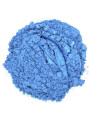
Light Blue Mica, light blue (size A)
Purified Water, TDS Limit 1PPM)