All-in-One Gel Formulation with High Active Concentrations: Challenges and Feasibility
Question
I would like to create an all-in-one gel product using the following active ingredients at these concentrations:
- Sodium Ascorbyl Phosphate 10%
- Niacinamide 10%
- Acetyl Glucosamine 3%
- Hyaluronic Acid/Proteoglycan
- Brightenyl 2%
- Alpha Arbutin 2%
- Lactate/Lactic 5%
- Licorice 1%
- Matrixyl 15%
- Argireline
- Centella Asiatica
I want to know if it is feasible to formulate a product with such high concentrations in an all-in-one gel format.
Additionally, I would like to inquire about purchasing these ingredients and if contract manufacturing services are available for producing creams.
Answer
All-in-One Gel Formulation with High Concentrations
Creating an all-in-one gel formulation with a high concentration of multiple active ingredients like Sodium Ascorbyl Phosphate, Niacinamide, Acetyl Glucosamine, Hyaluronic Acid, Brightenyl, Alpha Arbutin, Lactic Acid, Licorice, Matrixyl, Argireline, and Centella Asiatica is ambitious and presents several formulation challenges, primarily related to ingredient compatibility and stability at high concentrations.
While each of these ingredients offers significant benefits for the skin, such as whitening, anti-aging, moisturizing, and soothing, combining them effectively requires careful consideration:
- Ingredient Compatibility and pH: Many of these active ingredients have specific pH requirements for optimal stability and efficacy. For instance, Sodium Ascorbyl Phosphate (SAP) is most stable at a higher pH (7-9), whereas Alpha Arbutin and Argireline require a more acidic pH (3.5-6.5). Centella Asiatica Extract also prefers a slightly acidic range (4-6.5). Combining ingredients with such conflicting pH needs in a single stable formula that maintains the activity of all components is very difficult.
- Concentration Levels: You've listed several ingredients at high concentrations (e.g., 10% Niacinamide, 10% Sodium Ascorbyl Phosphate, 15% Matrixyl, 10% Argireline). While some ingredients like Niacinamide (Safe-B3) and Sodium Ascorbyl Phosphate can be used up to 10% (though SAP may have solubility issues above 8%), Matrixyl 3000 is typically recommended at 3-5%, and Argireline at 3-10%. Using multiple actives at their maximum or above-recommended concentrations increases the risk of skin irritation and can make formulation significantly more complex.
- Solubility and Formulation Type: Ingredients like LipidSoft Lactic are oil-soluble esters, which can be challenging to incorporate into a water-based gel at a 5% concentration without affecting the texture and stability.
- Stability: High concentrations and incompatible ingredients can lead to decreased stability of the formulation over time, potentially reducing the effectiveness of the active ingredients or causing undesirable changes in the product.
Therefore, while it is technically possible to create a gel containing these ingredients, achieving a stable, effective, and non-irritating product at the specified high concentrations would require extensive formulation expertise, testing, and potentially compromises on the concentration or inclusion of certain ingredients. It might be more practical to develop multiple products targeting specific concerns or to use lower, compatible concentrations in a single formula.
Regarding your questions about purchasing ingredients and contract manufacturing services, the ingredients you listed are available for purchase. Contract manufacturing services are also offered to help with the production of cosmetic creams and gels based on specific formulations. For detailed information on purchasing ingredients or utilizing contract manufacturing services, please contact the company directly.
Related Products Mentioned
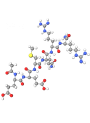
Acetyl Hexapeptide-8 (eq Argireline)
Pal-GHK, Pal-GQPR (eq Matrixyl 3000)
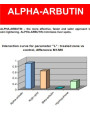
Alpha Arbutin (Switzerland)
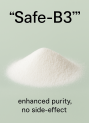
Safe-B3™ (Vitamin B3, Niacinamide)
GlucoBright™ (Acetyl Glucosamine)
Double Hyaluron Liquid


LipidSoft™ Lactic (C12-13 Alkyl Lactate)