Alpha Arbutin vs Activated Resorcinol for Whitening and Gel Base Formulation
Question
Regarding skin whitening ingredients, which is more effective between Alpha Arbutin and Activated Resorcinol?
Also, could you recommend a fast-absorbing, non-sticky gel base? Please also advise on the recommended amounts of water and gelling powder to use.
Answer
Skin Whitening Ingredients and Formulation Advice
Addressing your questions about skin whitening ingredients:
Effectiveness and Speed
You asked which ingredient among Tranexamic Acid, Nanowhite, Alpha Arbutin, and Activated Resorcinol is the most effective and fastest for inhibiting melanin and achieving whitening.
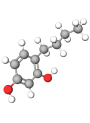
- Activated Resorcinol (specifically 4-Butylresorcinol) is often considered one of the most potent tyrosinase inhibitors, meaning it's very effective at reducing melanin production.
- Alpha Arbutin is also a strong tyrosinase inhibitor and is known for its stability and good skin tolerance.
- Tranexamic Acid works through a different mechanism, primarily by reducing inflammation and inhibiting plasmin activity, which can help with melasma and overall skin tone.
- Nanowhite is typically a blend of multiple whitening ingredients, so its effectiveness depends on the specific components and their concentrations.
While these ingredients are effective, achieving significant whitening in just one week is generally not realistic with topical products alone. Most whitening ingredients require consistent use over several weeks (often 8 weeks or more) to show noticeable results. Combining ingredients with different mechanisms and incorporating exfoliation can help speed up the process, but dramatic changes within one week are highly unlikely, as noted by other users.
Combinations
Combining whitening ingredients that work through different pathways can often provide better and potentially faster results than using a single ingredient.
- A popular and effective combination is Niacinamide (Vitamin B3) with Acetyl Glucosamine. Research shows these two ingredients work synergistically to reduce hyperpigmentation.
- Combining a tyrosinase inhibitor like Alpha Arbutin or Activated Resorcinol with Tranexamic Acid can target both melanin production and inflammatory pathways.
- Adding a mild exfoliant like Glycolic Acid at a low concentration (e.g., 3-5%) can help accelerate skin cell turnover, allowing whitening ingredients to penetrate better and removing pigmented cells from the surface.
- Caution: The product description for Activated Resorcinol suggests avoiding combining it with Alpha Arbutin as they have similar mechanisms and combining them might increase the risk of irritation without significantly boosting efficacy. It also advises against combining Activated Resorcinol with AHA due to potential stability issues.
A combination like Tranexamic Acid + Alpha Arbutin or Activated Resorcinol + Niacinamide + Acetyl Glucosamine (as suggested by a user) is a well-rounded approach targeting multiple aspects of pigmentation.
Alpha Arbutin vs. Activated Resorcinol
Both Alpha Arbutin and Activated Resorcinol (4-Butylresorcinol) are effective tyrosinase inhibitors. However, studies often indicate that Activated Resorcinol is more potent at lower concentrations compared to Alpha Arbutin. On the other hand, Alpha Arbutin is generally considered more stable and less likely to cause irritation than Activated Resorcinol, especially at higher concentrations. The choice between them depends on the desired potency and your skin's sensitivity.
Mixing Acid and Base
Mixing an acid and a base in formulation leads to a neutralization reaction, which changes the pH of the mixture. In cosmetic formulation, controlling the pH is critical. Each ingredient has an optimal pH range for stability and efficacy. For example, Alpha Arbutin degrades at high pH, while Glycolic Acid needs a low pH to be effective for exfoliation. Simply mixing an acid and a base can alter the pH away from the optimal range for your active ingredients, reducing their effectiveness or even causing them to degrade or become irritating. You should formulate by adding ingredients to a base and then adjusting the final pH to the desired range using small amounts of pH adjusters (like citric acid solution or sodium hydroxide solution) while monitoring with a pH meter.
Gel Base Recommendation
For a fast-absorbing, non-sticky gel base, you can consider using synthetic polymer gelling agents. Options like Pro Polymer, ThixoGel, or various Carbomer types (such as Carbomer U21, Carbomer Ultrez 30, Carbomer U10) are commonly used to create light, non-greasy gel textures. AnyGel and SepiMAX ZEN are also options that can provide a pleasant texture.
The exact ratio of water to gelling powder depends entirely on the specific gelling agent you choose and the desired viscosity of your gel. Each product will have a recommended usage rate provided by the supplier. You typically disperse the gelling agent in water and then neutralize it (if required for that specific type, like some Carbomers) to form the gel. Always refer to the manufacturer's instructions for the specific gelling agent regarding usage rate and mixing method.
Important Considerations
- Always perform patch testing when trying new formulations or ingredients.
- Consistency is key for visible whitening results.
- Daily sun protection is essential when using whitening ingredients, as UV exposure can counteract their effects and worsen hyperpigmentation.
Related Products Mentioned
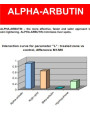
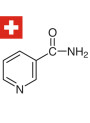
Alpha Arbutin (Switzerland)
Safe-B3™ (Vitamin B3, Niacinamide)
GlucoBright™ (Acetyl Glucosamine)
Pro Polymer™ (Gel Maker)
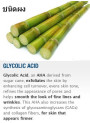
Glycopure™ (Glycolic Acid (AHA) Powder)
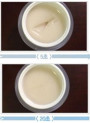
Reshape Gel™ (Gel Maker, Memory-Gel)
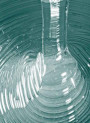
ThixoGel™ (Thixotropic Gel Maker)
Tranexamic Acid (Trans-White™)
AnyGel™ (Dehydroxanthan Gum)
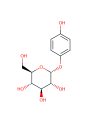
Alpha Arbutin (China, Crystal Form)

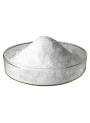
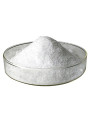
Sepimax Zen