Alternative Skin Brightening Ingredients After Hydroquinone Use
Question
I used hydroquinone and my skin became darker instead of lighter. I have stopped using it for a long time. I also tried Ionto, seaweed masks, and herbal masks, but my skin still hasn't brightened (people keep telling me my face looks darker). Normally, I have yellowish skin and it used to look brighter from using Vitamin C and other products. I think the darkening is due to the HQ, even though I always used SPF 50 sunscreen (Biore, ZA) because my skin is oily. Could you please help me find alternative ingredients for skin brightening?
Answer
Alternative Ingredients for Skin Brightening After Hydroquinone Use
It sounds like you've had a challenging experience with hydroquinone causing skin darkening, which, as you and others have discussed, can happen either due to a sensitivity or improper use. It's good that you've stopped using it. While you've tried Vitamin C and AHA without the desired improvement, there are other ingredients that work differently and might be more effective for your situation.
As recommended by others, consulting a dermatologist is the best course of action. They can properly assess your skin condition and determine the exact cause of the darkening, providing a tailored treatment plan.
However, based on your query and the information available, here are some alternative ingredients known for their skin brightening properties that you could discuss with your dermatologist or consider incorporating into your routine:
- Niacinamide (Vitamin B3): This ingredient helps reduce the appearance of hyperpigmentation by inhibiting the transfer of pigment within the skin cells. It also strengthens the skin barrier and can help with redness. Products like Safe-B3™ and Extreme-B3™ are examples of Niacinamide.
- Alpha Arbutin: Often considered a safer alternative to hydroquinone, Alpha Arbutin works by inhibiting the enzyme (tyrosinase) responsible for melanin production. It is known for its effectiveness in evening out skin tone and reducing dark spots. Alpha Arbutin (Switzerland) and Alpha Arbutin (China, Powder, Enzymatic Synthesis) are types of this ingredient.
- Tranexamic Acid: This ingredient is effective in reducing various forms of hyperpigmentation, including melasma and dark spots caused by sun exposure. It helps by interfering with the pathways that lead to pigment formation. Tranexamic Acid (Trans-White™) and Nano-TXA™ are examples.
- Kojic Acid: Similar to Alpha Arbutin, Kojic Acid works by inhibiting tyrosinase, thus reducing melanin production. Kojic Acid Dipalmitate is a more stable form often used in formulations, alongside regular Kojic Acid.
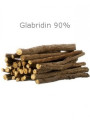
- Licorice Extract (specifically Glabridin): Certain compounds in licorice extract, particularly Glabridin, have shown efficacy in inhibiting tyrosinase and reducing inflammation, contributing to skin brightening. Pure-Glabridin™ Licorice Extract (Glabridin 90%) is an example of a high-concentration extract.
These ingredients can be used individually or in combination in various skincare products like serums, creams, or lotions. However, consistency is key, and results may take several weeks or months to become noticeable.
Crucially, regardless of the ingredients you use, consistent and adequate sun protection is absolutely essential. Sun exposure can worsen hyperpigmentation and counteract the effects of brightening treatments. Use a broad-spectrum sunscreen with SPF 50 daily, even on cloudy days.
Remember, while these ingredients are generally considered safe for cosmetic use, individual reactions can vary. Patch testing new products is always a good idea. Consulting a dermatologist remains the most recommended step to address the specific issue caused by hydroquinone.
Related Products Mentioned
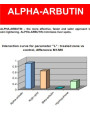
Alpha Arbutin (Switzerland)
Safe-B3™ (Vitamin B3, Niacinamide)
Kojic Acid Dipalmitate
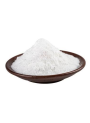
Tranexamic Acid (Trans-White™)