Alternative Solvents and Carriers for Cosmetics (Ethoxydiglycol Limit & L-Ascorbic Acid Solubility)
Question
I understand that the FDA limits the use of Ethoxydiglycol to no more than 2.6%. Could you recommend other good alternative solvents and carriers, including those available at MySkinRecipes and those not?
For cosmetics already registered with the FDA that contain more than 2.6% Ethoxydiglycol, can they still be sold, or what needs to be done?
Additionally, are there any non-oily substances that can dissolve oils (as I want to avoid oils due to clogging)?
Finally, could you list these solvents in order from thinnest to thickest viscosity and indicate which one is best for dissolving L-ascorbic acid? I prefer liquid solvents.
Answer
Alternative Solvents and Carriers for Cosmetic Formulations
You've asked about alternatives to Ethoxydiglycol due to the FDA's usage limit of 2.6%, as well as solvents that can dissolve oils without being oily and are effective for dissolving L-ascorbic acid.
Regarding cosmetics registered with the FDA that exceed the 2.6% Ethoxydiglycol limit, products registered before the regulation change can generally still be sold until their current registration expires (typically after 3 years). If the regulation remains in effect upon expiration, the product would need to be reformulated to comply with the new limit to continue being sold.
Here are some alternative solvents and carriers to consider, including those available at MySkinRecipes:
- Dimethyl Isosorbide (DMI): This is a highly effective solvent and carrier known for enhancing the penetration of active ingredients into the skin. It can dissolve a wide range of substances, including water-soluble ingredients, glycols, alcohols, polysorbates, and even some oils (like mineral oil, lanolin, and silicone oil), without being an oil itself. DMI is particularly noted for improving the efficiency of L-Ascorbic Acid, making it an excellent choice if you need a liquid solvent that dissolves L-Ascorbic Acid well. It is typically a colorless to light yellow clear liquid.
- 1,2-Hexanediol: This functions as a solvent, humectant, preservative booster, and penetration enhancer. It dissolves in water and is a clear liquid. It can help carry various ingredients into the skin.
- Methylpropanediol: Used as a solvent and humectant, it helps increase the absorption of ingredients and provides moisture. It is a clear liquid that dissolves in water.
- Isopentyldiol: This solvent and humectant can dissolve various ingredients and colors well and is known for low irritation. It dissolves in water and is a clear liquid.
- Pentylene Glycol: Another solvent and humectant that dissolves in water and is a clear liquid. It can also act as a preservative booster.
While these solvents are all liquids, providing a precise ranking of their viscosity from thinnest to thickest is not possible with the available information, as specific viscosity data is not provided in the product descriptions. However, they are generally described as clear liquids.
When choosing a solvent, it's important to consider the specific ingredients you need to dissolve and the overall requirements of your formulation, as there isn't one single "best" solvent for all purposes.
Related Products Mentioned
Ethoxydiglycol (e.q. Transcutol)

Pentylene Glycol (Low-Odor)
Isopentyldiol
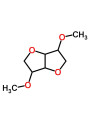
Dimethyl Isosorbide (DMI)