Alternatives for Disodium Cocoamphoacetate in Cleansing Formula
Question
What are the suitable alternatives for Disodium Cocoamphoacetate in a liquid cleansing formula, including their recommended usage percentages and important considerations for formulation?
Answer
Alternatives for Disodium Cocoamphoacetate
Disodium Cocoamphoacetate is a very gentle amphoteric surfactant often used in mild cleansing products like baby washes. You can replace it with other gentle surfactants. Here are a few options:
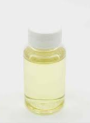
Mild-Wash L™ (Sodium Lauroamphoacetate): This is an extra gentle amphoteric surfactant, very similar to Disodium Cocoamphoacetate, and is 100% biodegradable. It's suitable for shampoos, soaps, and facial cleansers. It is compatible with other detergents.
- Usage Percentage: Since Mild-Wash L™ has an active matter of 30-32%, and your original formula uses 35% of Disodium Cocoamphoacetate (which typically has a similar active matter), you can start by replacing it with 30-35% of Mild-Wash L™. You may need to adjust slightly based on desired foam and feel. Remember to adjust the pH of the final formula to the skin's range (5-6) using an acid like Citric Acid or Lactic Acid, as Mild-Wash L™ is alkaline.
Mild-Wash C™ (Sodium Cocoamphoacetate): This is also an extra gentle amphoteric surfactant, very similar in structure and properties to Disodium Cocoamphoacetate and Mild-Wash L™. It is also 100% naturally biodegradable and suitable for gentle cleansing products.
- Usage Percentage: Similar to Mild-Wash L™, Mild-Wash C™ has an active matter of 30-32%. You can replace Disodium Cocoamphoacetate with 30-35% of Mild-Wash C™ and adjust as needed. Like Mild-Wash L™, the final formula's pH should be adjusted to 5-6.
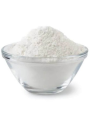
BabyFoam™ (Sodium Cocoyl Isethionate): This is a gentle anionic surfactant in super fine powder form, specifically used as a main detergent in gentle formulas like baby shampoo and soap. It provides good foam.
- Usage Percentage: BabyFoam™ has a high active matter of 80%. To achieve a similar level of active surfactant as 35% of Disodium Cocoamphoacetate (which is roughly 10.5-14% active matter), you would use approximately 13-18% of BabyFoam™. Keep in mind that BabyFoam™ is a powder, which will require different mixing techniques compared to a liquid surfactant, and it can precipitate in liquid formulas unless stabilizers like Disodium EDTA (0.1%) are used.
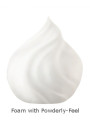
Powderly Foam™ (Potassium Laureth Phosphate): This is a gentle, sulfate-free anionic detergent that provides a soft feel on the skin. It may need to be combined with other surfactants for abundant foam.
- Usage Percentage: Powderly Foam™ has an active matter of 35%. You could potentially replace Disodium Cocoamphoacetate with 30-40% of Powderly Foam™ to get a similar active surfactant level.
When replacing Disodium Cocoamphoacetate, it is recommended to start with Mild-Wash L™ or Mild-Wash C™ as they are chemically similar and are also amphoteric surfactants, which are known for their mildness and compatibility in cleansing formulas. Always make small test batches when changing ingredients or percentages to ensure the desired performance, stability, and mildness are achieved.
Remember to also consider the other ingredients in your formula (Polysorbate 20, PEG-150 Distearate, Propylene Glycol, water, preservative, fragrance) and how the new surfactant might interact with them, especially regarding thickening and clarity.