Alternatives for Isopropyl Myristate (IPM) in Lotion
Question
What are the alternatives for Isopropyl Myristate (IPM) in lotion formulations, especially those that are lightweight, non-comedogenic, and easy to spread, such as Isohexadecane?
Answer
In lotion formulation, if you are looking for alternatives to Isopropyl Myristate (IPM), which is an emollient that helps make the product texture lightweight and spread easily but can sometimes be comedogenic, there are several substances you can consider, depending on the desired properties.
Substances That Can Replace Isopropyl Myristate (IPM) in Lotion
-
- An ultra-lightweight emollient that does not leave a greasy residue on the skin and does not clog pores.
- Suitable for formulas requiring extra lightness and provides water-repellent properties.
- Unlike Isododecane, it does not evaporate at room temperature, making it suitable for formulas where volatility is not desired.
- An excellent alternative to Isopropyl Myristate or Isopropyl Palmitate as it is non-comedogenic and non-irritating.
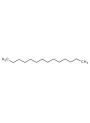
Tetradecane (Natural Isohexadecane Replacement)
- A naturally sourced alternative to Isohexadecane.
- Also lightweight and non-evaporative, similar to Isohexadecane.
LipidSoft™ Range
- A diverse group of emollients offering different textures and moisturizing benefits, allowing selection based on skin type and formulation needs.
- LipidSoft™ Palm (Ethylhexyl palmitate): Provides softness and smoothness with a light texture. Good for moisturizing and economical, but may clog pores at high concentrations (>5%) for some skin types. Suitable for dry skin without acne issues.
- LipidSoft™ Moist (Triethylhexanoin): Focuses on providing good skin moisture without being sticky. It does not clog pores and helps the formula spread easily. Suitable for normal to oily skin that needs hydration while remaining lightweight.
- C12-15 alkyl benzoate Gel (Flowable): Can be used as a base in skincare formulations, providing a viscous oil-gel appearance.
When choosing an alternative to IPM, consider the desired properties of your lotion formula, such as lightness, moisturizing ability, solubility of other ingredients (like sunscreens), and the tendency to clog pores, to achieve the desired texture and performance.
Updated Review: May 2026
This section was added after reviewing the original answer against current product availability and formulation knowledge at the stated point in time.
Update 2026-05-24: Isohexadecane is still a suitable lightweight alternative to Isopropyl Myristate when the goal is a lighter, less greasy lotion feel and easier spreadability. However, for acne-prone or oily-skin formulas, avoid treating any single raw material as guaranteed “non-comedogenic” or “non-irritating”; the finished formula, usage level, emulsifier system, fragrance/preservative load, and target skin type still need testing.
If a natural-positioned replacement for Isohexadecane is desired, Tetradecane can be considered as a naturally sourced, lightweight, non-evaporating Isohexadecane replacement. For a very dry, silky, modern light emollient feel, C13-15 Alkane can also be screened. For isoparaffin-type lightweight slip, ISO-Lite Medium (C13-16 Isoparaffin) is another option. For silicone-free cyclomethicone-like dry slip and volatility, LipidSoft™ D5 can be considered.
If IPM is being used mainly to dissolve sunscreen filters or other oil-soluble ingredients, do not choose the replacement only by skin feel; test solvent power and stability. More polar ester options such as LipidSoft™ C1215 or LipidSoft™ SPF may be more appropriate for that purpose. For dry-skin lotions needing more moisturizing/occlusive feel, LipidSoft™ Moist or low levels of LipidSoft™ Palm may be suitable, but LipidSoft™ Palm should be used carefully in acne-prone formulas because higher use levels may increase pore-clogging risk for some users.
Any replacement should be tested in the actual lotion because changing from IPM to hydrocarbons, alkanes, isoparaffins, or other esters can change viscosity, emulsion stability, spreadability, solubility of actives, and final skin feel.
References: Schaefer & Redelmeier, Skin Barrier: Principles of Percutaneous Absorption, 1996; Zatz, Kushla & O’Neill, Pharmaceutical Dosage Forms: Disperse Systems, 1996; Barel, Paye & Maibach, Handbook of Cosmetic Science and Technology, 4th ed., 2014; Draelos, Cosmetics and Dermatologic Problems and Solutions, 3rd ed., 2011.
Related Products Mentioned

LipidSoft™ Palm (Ethylhexyl palmitate)

LipidSoft™ Moist (Triethylhexanoin)
Isohexadecane
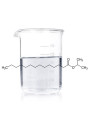
Isopropyl Myristate (Deodorized)
C12-15 alkyl benzoate Gel (Flowable)
C13-15 Alkane
ISO-Lite Medium (C13-16 Isoparaffin)
LipidSoft™ D5 (Cyclomethicone Replacer)

LipidSoft™ SPF