Alternatives for Rich Cream Maker in a Clay Mask Formula
Question
I found a formula for a clay mask in a forum topic (topic5227.html). The formula is:
- Oil 10%
- Water 85%
- Rich Cream Maker 5%
After forming the cream base, clay (like Kaolin, Bentonite) is added and mixed to get the clay texture.
Could you please suggest alternative ingredients that can replace Rich Cream Maker in this formula?
Answer
Alternatives for Rich Cream Maker in a Clay Mask Formula
Based on the formula you found, which uses Oil (10%), Water (85%), and Rich Cream Maker (5%) to create a cream base before adding clay like Kaolin and Bentonite, here are some alternative cream makers you can use:
- Butter Cream Maker™: This emulsifier offers high resistance to electrolytes and works across a wide pH range (3-12), making it suitable for formulas containing clays. It can emulsify up to 30% oil and can create a smooth, thick cream texture at a usage rate of 2-6%.
- SureCream™ (Non-Ionic Cream Maker): This non-ionic emulsifier provides excellent resistance to acids, alkalis, and electrolytes. It can handle a high percentage of oil (20-40%) and is effective at a low usage rate (0.5-3%). It requires heat during mixing.
- Moist Cream Maker™ (e.q. Emulgade PL 68/50): This emulsifier is designed for creating heavy cream textures and helps retain moisture. It works in a pH range of 3.0-10.0 and can combine with up to 40% oil at a usage rate of 1-3%. For formulas with electrolytes, it's recommended to add Xanthan Gum for increased stability.
- Sucrose Cream Maker™ (e.q. Emulgade Sucro Plus): A natural-based, nonionic emulsifier that offers good electrolyte compatibility. It provides a lightweight, non-oily feel and is typically used at 2-4%.
- Lipomulse Luxe: This non-ionic emulsifier forms a liquid crystal emulsion, providing a luxurious feel and good stability. It works over a wide pH range (3.0-12.0) and can handle up to 30% oil at a usage rate of 1-5%. It requires heat during mixing.
When substituting, consider the required usage rate and mixing method (some require heat) for each alternative to ensure it fits your formulation process and desired final texture. The original formula also includes Water, Oil, and clays such as Kaolin and Bentonite.
Related Products Mentioned
Purified Water, TDS Limit 1PPM)
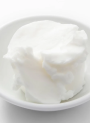
Butter Cream Maker™
Kaolin (400nm High Whiteness)
SureCream™ (Non-Ionic Cream Maker)
Kaolin (China Clay, 300nm)