Ampoule Formula Questions: pH, Mixing, and Effectiveness
Asked by: pakkard.android
On: February 18, 2021
Product Type:
Cosmetics
Answered
Question
I want to create an ampoule to reduce redness and acne, and strengthen the skin barrier. My proposed formula is: 1. Centella Asiatica Extract 1-2%, 2. Glycerin 10%, 3. Panthenol 1%-2, 4. Niacinamide 5%, 5. Phenoxyethanol 0.5-1.0%, 6. Xanthan Gum 1%, 7. water. I have three questions: 1. To achieve a pH of 5.5, should I add or remove any ingredients? 2. Can this formula be mixed by simple stirring? 3. Can I still expect results from this formula at these concentrations? Thank you.
Answer
Ampoule Formula Review
Your proposed formula for an ampoule targeting redness, acne, and skin barrier strengthening contains excellent ingredients known for these benefits. Here's a review of your questions:
1. Achieving pH 5.5
- The ingredients you've chosen are generally compatible with a pH of 5.5, which is a suitable pH for skin and optimal for the efficacy of Niacinamide and Panthenol.
- However, Panthenol powder itself has an alkaline pH (9.0-10.5). When mixed into your formula, it will likely raise the overall pH above 5.5.
- To achieve a pH of exactly 5.5, you will need to measure the pH of your final mixture after all ingredients are incorporated.
- You will then need to adjust the pH downwards by adding a few drops of a dilute acidic solution, such as Citric Acid solution or Lactic Acid solution, stirring well, and re-measuring until you reach your target pH of 5.5.
- No ingredients need to be removed for pH compatibility within this range.
2. Mixing Method
- Simple stirring might not be sufficient, particularly for dissolving Xanthan Gum. Xanthan Gum requires vigorous mixing to hydrate properly and form a smooth gel without clumps.
- A recommended method is to first disperse the Xanthan Gum in Glycerin. This helps prevent clumping when added to water.
- Then, add the Glycerin/Xanthan Gum mixture to the water phase while stirring rapidly (using a high-speed mixer like a hand blender is ideal) until a uniform gel is formed.
- Once the gel base is ready and has cooled, you can incorporate the other water-soluble ingredients like Niacinamide, Panthenol, Centella Asiatica Extract, and Phenoxyethanol, stirring gently until fully dissolved and homogenous.
3. Effectiveness at These Concentrations
- Yes, the concentrations you've chosen for the key active ingredients are appropriate and should yield effective results for your stated goals.
- Niacinamide at 5% is a well-established concentration for reducing redness, improving acne, strengthening the skin barrier, and reducing hyperpigmentation. The Safe-B3™ type is particularly well-tolerated at this level.
- Panthenol at 1-2% is within the effective range for its moisturizing, barrier-supporting, and anti-inflammatory benefits.
- Centella Asiatica Extract (Madecassoside 90%) at 1-2% is also within the recommended usage rate for its wound healing, anti-inflammatory, and collagen-stimulating properties, which help with redness and acne scars.
- Glycerin at 10% provides excellent hydration.
- Phenoxyethanol at 0.5-1.0% ensures proper preservation of the formula.
- Overall, this formula is well-balanced and should be effective.
Related Products Mentioned
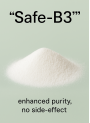
Safe-B3™ (Vitamin B3, Niacinamide)
Cosmetics
Glycerin (USP/Food Grade)
Cosmetics
Phenoxyethanol (Extra Pure)
Cosmetics