Analysis and Feedback on Homemade Serum and Cream/Lotion Formulas
Question
I would like to request an analysis and feedback on my homemade cosmetic formulas. I have two formulas I'm working on:
Serum Formula:
- Vitamin C (L-ascorbic acid): 5-10%
- Hyaluronic Acid: 4-8%
- Distilled Water (Food Grade): ~80-90%
Whitening Cream / Body Lotion Formula:
- Beeswax: 3-10%
- Carrier Oil (Sunflower + Olive Oil): 30-40%
- Distilled Water (Food Grade): Balance (~50-60%)
- Alpha Arbutin: 2%
- Vitamin C: 15-20%
- Vitamin E: 2-5%
- Glycerin: 2-8%
- Tween 20: 4-15%
Could you please review these formulas and provide feedback on potential issues, stability, ingredient concentrations, and any necessary adjustments?
Answer
Analysis of Shared Cosmetic Formulas
Thank you for sharing these homemade cosmetic formulas and asking for our analysis. It's great that you're interested in making your own products! We've reviewed the formulas and the feedback provided by our staff. Here's a breakdown of the potential issues and some recommendations:
Serum Formula Analysis
Original Formula:
- Vitamin C (L-ascorbic acid): 5-10%
- Hyaluronic Acid: 4-8%
- Distilled Water (Food Grade): ~80-90%
Analysis:
- Vitamin C Stability: Using L-ascorbic acid in a water-based formula is highly problematic. L-ascorbic acid is very unstable in water and will oxidize quickly, losing its effectiveness and potentially changing color (turning yellow). While L-ascorbic acid is potent, maintaining its stability requires specific anhydrous (water-free) formulations or very careful pH control (ideally below 3.5, but FDA requires pH 3.5+ for skin application). The suggested pH adjustment method in the lotion formula (adding Vitamin C to lower pH) is not a proper or safe way to control pH.
- Hyaluronic Acid Concentration: The suggested concentration of 4-8% for Hyaluronic Acid seems very high, especially for a serum. The recommended usage rate for Hyaluronic Acid powder (like Standard Molecule or Large Molecule) is typically 0.1-0.5% for cosmetics. Using too much can result in a sticky or unpleasant texture. If using a liquid form like Double Hyaluron Liquid, the recommended usage rate is higher (e.g., 3-5% for normal skin, up to 10-20% for very dry skin), but 4-8% of the powder form is likely excessive.
- Lack of Preservative: This is a critical issue. Water-based formulas without a proper preservative are highly susceptible to microbial growth (bacteria, mold, yeast). This can make the product unsafe to use and cause it to spoil quickly. Preservatives are essential for product safety and shelf life, especially if you plan to store or share the product.
Recommendations for Serum:
- Consider using a more stable form of Vitamin C that is suitable for water-based formulas, such as Ascorbyl Glucoside, Ethyl Ascorbic Acid, Magnesium Ascorbyl Phosphate, or Sodium Ascorbyl Phosphate. These derivatives are easier to work with and maintain stability better than L-ascorbic acid in water.
- Adjust the Hyaluronic Acid concentration to the recommended usage rate for the specific type you are using (check the product description on our website).
- Crucially, add a broad-spectrum preservative to prevent microbial contamination. Examples include Global Guard 221, Mild Preserved COS, or Chlorphenesin / Phenoxyethanol. Always follow the recommended usage rate and mixing instructions for the chosen preservative.
Whitening Cream / Body Lotion Formula Analysis
Original Cream Formula:
- Beeswax: 3-4%
- Carrier Oil (Sunflower + Olive Oil): 34-40%
- Distilled Water (Food Grade): 57-60%
- Alpha Arbutin: 2%
- Glycerin: 2-5% (Optional)
- Tween 20: 4-10%
Original Lotion Formula:
- Beeswax: 5-10%
- Carrier Oil: 30-35%
- Distilled Water (Food Grade): Not specified percentage, but implied balance
- Vitamin C: 15-20%
- Vitamin E: 2-5%
- Glycerin: 4-8%
- Tween 20: 8-15%
Analysis:
- Emulsification Issues: Using only Beeswax and Tween 20 as emulsifiers is generally not sufficient to create a stable oil-in-water emulsion like a cream or lotion, especially at these concentrations. Beeswax is primarily a thickener and provides texture, while Tween 20 is a mild surfactant/solubilizer but not a robust emulsifier on its own for significant oil phases. This combination is highly likely to result in formula separation over time. Proper emulsifiers are needed to bind the oil and water phases together stably. Emulsifying Beeswax is a better option than pure Beeswax if you want a natural emulsifier, but other synthetic or natural emulsifying systems are often more reliable for lotions and creams.
- Vitamin C Stability (Lotion Formula): Similar to the serum, using a high concentration (15-20%) of L-ascorbic acid in a water-based lotion will lead to rapid oxidation and loss of efficacy. Stable Vitamin C derivatives are recommended.
- Vitamin E Concentration: The suggested concentration of 2-5% for Vitamin E (Tocopheryl Acetate or dl-alpha tocopherol) is too high for cosmetic application. While Vitamin E is beneficial, concentrations above 0.5% can cause a sticky feeling on the skin. For antioxidant purposes in the formula or on the skin, a rate of 0.1-1% is generally sufficient.
- Lack of Preservative: Both cream and lotion formulas lack a preservative, making them prone to microbial contamination and unsafe for use. A broad-spectrum preservative is essential.
- Incorrect pH Adjustment (Lotion Formula): The method described for adjusting pH using beeswax or Vitamin C is incorrect. pH adjustment requires specific acidic or alkaline ingredients (pH adjusters) and must be measured accurately using a pH meter. The optimal pH range for Alpha Arbutin is 3.5-6.5, and for L-ascorbic acid is 2.0-4.0 (though FDA requires 3.5+ for skin). Achieving and maintaining the correct pH is crucial for ingredient efficacy and product stability.
- Alpha Arbutin Concentration: The suggested 2% Alpha Arbutin is within the effective range for skin brightening (0.2-2%). However, its stability is also pH-dependent (3.5-6.5), reinforcing the need for proper pH control.
Recommendations for Cream/Lotion:
- Use a suitable emulsifying system designed for creams and lotions instead of relying solely on Beeswax and Tween 20. Research different emulsifiers and their required usage rates and mixing methods.
- Add a broad-spectrum preservative (e.g., Global Guard 221, Mild Preserved COS, Chlorphenesin / Phenoxyethanol, NaturePreserve Ultra) at the recommended usage rate.
- If using Vitamin C, choose a stable derivative (Ascorbyl Glucoside, Ethyl Ascorbic Acid, Perfect-C, Magnesium Ascorbyl Phosphate, Sodium Ascorbyl Phosphate) and use it at an appropriate concentration (typically 1-10% for whitening, depending on the type) and within its recommended pH range.
- Use Vitamin E at a lower concentration (0.1-1%) if desired for its antioxidant properties.
- Use a pH meter to accurately measure and adjust the final pH of the formula to ensure ingredient efficacy and stability, especially for actives like Alpha Arbutin and Vitamin C derivatives.
- Ensure the total percentage of ingredients in your formula adds up to 100%.
General Advice
Creating stable and safe cosmetic formulations requires understanding the properties of each ingredient, proper mixing techniques, and the importance of pH and preservation. We highly recommend studying basic cosmetic formulation principles before attempting complex recipes. This will help ensure the products you make are effective, safe, and stable.
Related Products Mentioned
Vitamin E (Tocopheryl Acetate)
Alpha Arbutin (Switzerland)
Olive Oil (Extra Virgin)
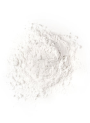
Vitamin C (L-ascorbic acid) (Ultra-Fine)
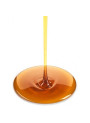
Vitamin E (dl-alpha tocopherol)
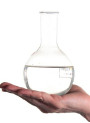
Glycerin (USP/Food Grade)
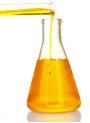
Polysorbate 20 (Tween 20)
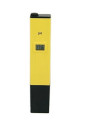
Digital pH meter (temporary use)
Double Hyaluron Liquid



Magnesium Ascorbyl Phosphate
Yellow Beeswax
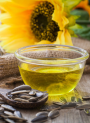
Sunflower Oil (High Omega, Refined)

4D Hyaluronic Acid
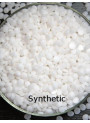
Synthetic White Beeswax (Melting 62C)
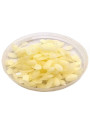
Emulsifying Beeswax (Non-Ionic, Natural)