Analysis and Improvement of Oil-Reducing Gel Formula
Question
I am developing an oil-reducing gel formula with the following ingredients:
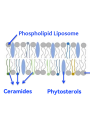
- Ceramide AP, Ceramide EOP, Ceramide NP
- Glycerin
- Dimethicone
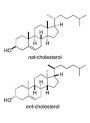
- Cholesterol, Phytosphingosine
- Allantoin
- Niacinamide 5%
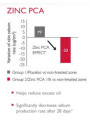
- Zinc PCA 1%
- Sodium Hyaluronate Crosspolymer-3
- Ethoxydiglycol
I would like to know:
- Is the moisture sufficient?
- Is the formula compatible?
- Are there any additional ingredients that should be included to improve effectiveness?
Thank you.
Answer
Analysis of Your Oil-Reducing Gel Formula
Thank you for sharing your gel formula aimed at reducing oiliness. Let's analyze it based on your questions:
1. Is the moisture sufficient?
Yes, the formula includes several ingredients known for their moisturizing and skin barrier support properties:
- Glycerin and Sodium Hyaluronate Crosspolymer-3 (similar to 4D Hyaluronic Acid) are excellent humectants that attract and retain moisture in the skin.
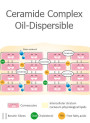
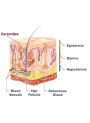
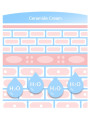
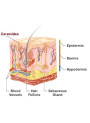
- Ceramides (AP, EOP, NP), Cholesterol, and Phytosphingosine are crucial components of the skin's natural barrier. Including them helps repair and strengthen the barrier, reducing transepidermal water loss (TEWL) and keeping the skin hydrated. Products like Ceramide Complex, Cera-Flux V, and Ceracare Liposome-3 provide these benefits.
- Niacinamide also helps improve skin hydration by boosting ceramide production.
- Allantoin provides soothing moisture.
Even though the goal is to reduce oiliness, maintaining adequate hydration is vital for healthy skin, and this formula appears to address that well.
2. Is the formula compatible?
Generally, the ingredients you've listed are compatible in a cosmetic formulation, especially in a gel base.
- The combination of Ceramides, Cholesterol, and Phytosphingosine is commonly used to mimic the skin's natural lipid barrier. Note that Cholesterol requires high heat to dissolve during formulation.
- Glycerin, Allantoin, Niacinamide, Sodium Hyaluronate Crosspolymer-3, Zinc PCA, and Ethoxydiglycol are typically water-soluble or dispersible and can be incorporated into a gel base.
- Dimethicone is silicone-based and would need to be properly emulsified into the gel base.
- Ensure the final pH of the formula is suitable for the active ingredients, particularly Niacinamide (optimal pH 4.0-7.0) and Zinc PCA (optimal pH 4-6). A pH in the range of 4-6 would support the efficacy and stability of both.
With proper formulation techniques and pH adjustment, these ingredients should be compatible.
3. Any additional ingredients to improve effectiveness?
Your formula already contains excellent ingredients for oil control (Niacinamide 5%, Zinc PCA 1%) and skin barrier support/hydration. To potentially enhance the oil-reducing or skin-perfecting aspects, you could consider adding:
- Mattifying agents: Ingredients like Silica or certain polymers can help absorb excess sebum on the skin's surface, providing a more immediate matte finish.
- Exfoliants (use with caution in a gel): A low concentration of Salicylic Acid (BHA) could help clear pores and reduce oil, but careful consideration of pH and potential irritation is needed, especially with other actives.
- Soothing/Anti-inflammatory agents: While Allantoin is included, adding ingredients like Panthenol or Bisabolol could further help soothe skin and reduce redness often associated with oily or acne-prone conditions.
Overall, this is a well-rounded formula addressing oiliness while supporting skin barrier health and hydration.
Related Products Mentioned

Safe-B3™ (Vitamin B3, Niacinamide)

Allantoin
Ethoxydiglycol (e.q. Transcutol)
Glycerin (USP/Food Grade)
Zinc PCA
Dimethicone (Light/50, Low-Odor)
Cholesterol (95%, NF, Fine Powder)
Phytosphingosine (90% Purity)
4D Hyaluronic Acid