Analysis of 7 Ingredients for Serum and Soap Formulations
Question
I have a question. Will these 7 ingredients be effective for making serum and soap? 1. Licorice Extract 2. Soybean Extract 3. Vitamin C Extract 4. Vitamin E Extract 5. Turmeric Extract [url=http://www.myskinrecipes.com/shop/whitening-%E0%B8%A5%E0%B8%B0%E0%B8%A5%E0%B8%B2%E0%B8%A2%E0%B9%83%E0%B8%99%E0%B8%99%E0%B9%89%E0%B8%B3%E0%B8%A1%E0%B8%B1%E0%B8%99/742-tetrahydrodiferuloylmethane-tetrahydrocurcuminoids.html:25qma9cr]Tetrahydrodiferuloylmethane[/url:25qma9cr] 6. Papaya Extract 7. Arbutin Extract [url=http://www.myskinrecipes.com/shop/whitening-%E0%B8%AA%E0%B8%B2%E0%B8%A3%E0%B9%83%E0%B8%AB%E0%B9%89%E0%B8%9C%E0%B8%B4%E0%B8%A7%E0%B8%82%E0%B8%B2%E0%B8%A7/68-alpha-arbutin-%E0%B8%AD%E0%B8%B1%E0%B8%A5%E0%B8%9F%E0%B9%88%E0%B8%B2%E0%B8%AD%E0%B8%B2%E0%B8%A3%E0%B8%9A%E0%B8%B9%E0%B8%95%E0%B8%B4%E0%B8%99-%E0%B8%9C%E0%B8%B4%E0%B8%A7%E0%B8%82%E0%B8%B2%E0%B8%A7%E0%B9%83%E0%B8%AA%E0%B8%AD%E0%B8%A2%E0%B9%88%E0%B8%B2%E0%B8%87%E0%B8%9B%E0%B8%A5%E0%B8%AD%E0%B8%94%E0%B8%A0%E0%B8%B1%E0%B8%A2.html:25qma9cr]Alpha-Arbutin[/url:25qma9cr] Which ones have overlapping properties or are unnecessary, or which ones should be added or removed? Please advise and analyze.
Answer
Analysis of Ingredients for Serum and Soap Formulations
Here is an analysis of the ingredients you listed for use in serum and soap formulations:
Based on the information gathered, here is a breakdown of each ingredient and its suitability:
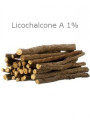
- Licorice Extract: Known for both skin whitening (due to Glabridin) and anti-inflammatory properties (due to Licochalcone A). It can help reduce irritation and redness. Different forms are available with varying solubility (water-soluble or requiring dissolution in glycol/ethanol).
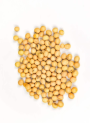
- Soybean Extract: The Tryptic-Soy™ extract found is focused on anti-aging benefits, promoting elastin and collagen synthesis and inhibiting enzymes that degrade skin proteins. While contributing to overall skin health, it's not a primary skin whitening agent in the same way as others on your list.
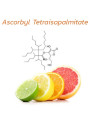
- Vitamin C: A powerful antioxidant that also helps brighten skin by inhibiting melanin production and stimulating collagen. Various forms exist with different stability and solubility (L-Ascorbic Acid is potent but unstable; derivatives like Ethyl Ascorbic Acid, Sodium Ascorbyl Phosphate, and Ascorbyl Tetraisopalmitate offer better stability).
- Vitamin E: Primarily an antioxidant that protects skin and formula oils from oxidation. It also has skin conditioning benefits. It supports the action of Vitamin C but is not a direct whitening agent itself.
- Tetrahydrodiferuloylmethane (WhiteCumin™): A derivative of turmeric, it is a potent antioxidant and effective skin whitening agent, working to reduce pigmentation. It is available in forms soluble in water or oil/glycol.
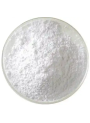
- Papaya Extract (Papain): This is an enzyme that exfoliates dead skin cells. Exfoliation can help improve skin texture and reveal brighter skin, enhancing the effects of whitening ingredients. Papain's stability is sensitive to pH and temperature, and it degrades in water over time unless encapsulated.
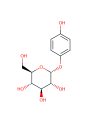
- Alpha-Arbutin: A widely recognized and effective skin whitening ingredient that works by inhibiting the enzyme tyrosinase, which is crucial for melanin production. It is water-soluble and stable within a specific pH range (3.5-6.5).
Suitability for Serum and Soap:
- Serum: Most of these ingredients can be effectively formulated into a serum. Serums are typically designed to deliver high concentrations of active ingredients. You would need to consider the solubility of each specific ingredient and the required pH range for optimal stability and efficacy, especially for Vitamin C forms, Alpha-Arbutin, and Papaya Enzyme.
- Soap: Formulating these ingredients into traditional soap is challenging. Soap has a high pH, which can cause many active ingredients (like Vitamin C forms, Alpha-Arbutin, and Papain) to degrade or become ineffective. Additionally, soap is a wash-off product, meaning the contact time for the active ingredients on the skin is very short, limiting their efficacy compared to leave-on products like serums or creams. While some ingredients like oil-soluble Vitamin E might offer antioxidant benefits to the soap itself, achieving significant skin whitening or anti-aging effects from these ingredients in a soap is unlikely. Papaya Enzyme might offer some mild exfoliation in a soap if properly stabilized (e.g., encapsulated form) and formulated carefully, but its primary function in this format would be exfoliation rather than deep whitening.
Ingredient Overlap and Recommendations:
There is significant overlap in the skin whitening function among Licorice Extract (Glabridin), Vitamin C, Tetrahydrodiferuloylmethane (WhiteCumin™), and Alpha-Arbutin. All primarily target melanin production through similar or complementary pathways (like tyrosinase inhibition).
Using all seven ingredients, especially in a serum, might lead to:
- Redundancy: Multiple ingredients performing the same primary function might not provide a proportionally increased benefit and could simply add complexity and cost.
- Increased Irritation Risk: Combining many potent actives, particularly whitening agents and exfoliants, can increase the likelihood of skin irritation.
- Formulation Challenges: Ensuring stability and compatibility of all seven ingredients, each with potentially different optimal pH ranges and solubility requirements, in a single formula is difficult.
Recommendations for Optimization:
- For Serum: Instead of using all seven, consider selecting a synergistic combination of 2-3 key whitening actives with different mechanisms or properties, along with supporting ingredients.
- Choose one or two strong whitening agents like Alpha-Arbutin and/or Tetrahydrodiferuloylmethane (WhiteCumin™).
- Add a stable form of Vitamin C (like Ethyl Ascorbic Acid or Ascorbyl Tetraisopalmitate) for antioxidant benefits and complementary whitening/collagen stimulation.
- Include Licorice Extract (specifically the Licochalcone A type) for its anti-inflammatory properties to help soothe the skin and counteract potential irritation from whitening agents.
- Vitamin E is a good addition as an antioxidant and skin conditioner.
- Papaya Enzyme (Papain) can be included for exfoliation, but ensure its stability is maintained (consider the encapsulated form) and that the formula's pH is suitable for both the enzyme and the other actives.
- Soybean Extract can be included if anti-aging is a key goal, but it's less crucial if the primary focus is whitening.
- For Soap: Given the limitations of soap formulations for these actives, it's advisable to temper expectations for significant whitening or anti-aging effects. If you wish to include some of these, focusing on mild exfoliation with Papaya Enzyme (encapsulated form for better stability) and perhaps Vitamin E as an antioxidant for the soap itself might be the most practical approach. Targeted whitening is best achieved with leave-on products.
In summary, while all listed ingredients have beneficial properties, using all seven in a single formula, especially soap, is likely unnecessary and could be counterproductive. A carefully selected combination based on desired effects and formulation compatibility will yield better results.
Related Products Mentioned
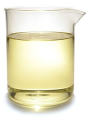
Vitamin E (Tocopheryl Acetate)
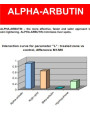
Alpha Arbutin (Switzerland)
Vitamin C (L-ascorbic acid) (Fine)
Vitamin E (dl-alpha tocopherol)

Papaya Enzyme (Papain)
Alpha Arbutin (China, Crystal Form)