Analysis of a Complex Sunscreen Formulation
Question
I would like to request an analysis of the following sunscreen formulation to determine its feasibility and identify any potential incompatibilities between ingredients. My goal is to create a broad-spectrum sunscreen (SPF ~50 PA+++) with a semi-cream, semi-gel texture that is lightweight and non-greasy, suitable for oily and combination skin.
Here is the proposed formulation:
- Water (Distilled, Sterile) 16.20%
- Titanium Dioxide Transparent 10.00%
- Glycerin Gel (Glyceryl Polyacrylate) 10.00%
- Zinc Oxide 35nm Liquid 6.00%
- SPF Protect Ultra™ II 5.00%
- Hexylene Glycol 5.00%
- LipidSoft™ Lite 5.00%
- WaterGuard™ Lite 3.00%
- Calendula Extract (Water Soluble) 3.00%
- 4D Hyaluronic Acid 3.00%
- DHHB (Diethylamino Hydroxybenzoyl Hexyl Benzoate) 2.50%
- PMMA Booster (SPF/Color Booster) 2.00%
- SelectSorb™ (PMMA Oil Absorption) 2.00%
- Ectoine 2.00%
- Safe-B3™ (Vitamin B3, Niacinamide) 2.00%
- Ascorbyl Glucoside (AA-2G stabilized vitamin c) 2.00%
- Oil-Fix™ O (Water-in-Oil, Oil Gelling) 1.50%
- BEMT (Tinosorb S) 1.00%
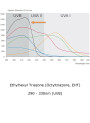
- Ethylhexyl Triazone (Octyltriazone, EHT) 1.00%
- Bisoctrizole (Compare to Tinosorb M) 1.00%
- Ethyl Ferulate 1.00%
- Glycyrrhetinic Acid 1.00%
- Ferulic Acid 1.00%
- Active Encapsulated Caffeine™ 1.00%
- ActiveProtec™ 1.00%
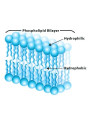
- Phospholipid 1.00%
- Yerba Santa Glycoprotein (Natural Silicone) 1.00%
- Zinc PCA 1.00%
- Polyglyceryl-2 dipolyhydroxystearate 1.00%
- Panthenol (Vitamin B5) ExtraLite™ 1.00%
- Natural Bisabolol 1.00%
- Ceramide Complex (CeraTouch™, Powder) 1.00%
- LipidSoft™ F (Ethyl Linoleate) 1.00%
- Vitamin E (Tocopheryl Acetate) 0.50%
- Bakuchiol (Natural Retinol) 0.50%
- Disodium EDTA 0.10%
- Phytosphingosine 0.50%
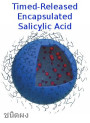
- Encapsulated Salicylic Acid (Powder, Timed-Release) 0.50%
- Rose (Rosa Damascena) Extract 0.50%
- Xanthan Gum 0.50%
- Mild Preserved Eco™ (Preservative-Free) 0.50%
- Magnesium Sulfate (High Purity) 0.20%
If the formulation is possible, I have the following concerns:
- Will the product have an unpleasant odor, given that only 0.5% natural fragrance extract is included?
- Based on my understanding, the ideal pH for this formula is around 6-7. Can the listed ingredients be combined to achieve a pH in this range?
- What will the resulting texture be like, and will it feel heavy on the face?
- Regarding the non-active ingredients (Base, Surfactants, Emulsifiers, Solvents, Preservatives, etc.), are there any components that should be adjusted (decreased or increased)?
Thank you in advance.
Answer
Analysis of Your Sunscreen Formulation
Thank you for sharing your sunscreen formulation. It's an ambitious formula combining a wide range of UV filters and beneficial skincare ingredients aimed at providing broad-spectrum protection with a light, non-greasy feel suitable for oily and combination skin.
Overall, this formula is theoretically possible to create, but it is highly complex due to the large number of ingredients, particularly the mix of physical and organic UV filters, various active ingredients, and a water-in-oil (W/O) emulsion system. Achieving stability and the desired texture will require careful formulation and extensive testing.
Here's a breakdown of the feasibility and answers to your specific questions:
Feasibility:
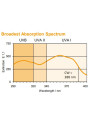
The combination of Titanium Dioxide Transparent, Zinc Oxide 35nm Liquid, DHHB (Diethylamino Hydroxybenzoyl Hexyl Benzoate), BEMT (Bis-Ethylhexyloxyphenol Methoxyphenyl Triazine), Ethylhexyl Triazone, and Bisoctrizole provides comprehensive coverage across UVA and UVB wavelengths, making SPF 50 PA+++ achievable. The inclusion of lightweight emollients like LipidSoft™ Lite, oil absorbers like SelectSorb™ (High Oil Absorption PMMA), and gelling agents like Glycerin Gel and Xanthan Gum, along with a W/O emulsifier system (Oil-Fix™ O, Polyglyceryl-2 dipolyhydroxystearate, Magnesium Sulfate), suggests the formula is designed to be non-greasy and suitable for oily/combination skin. The array of active ingredients like Safe-B3™ (Vitamin B3, Niacinamide), Ascorbyl Glucoside (AA-2G), 4D Hyaluronic Acid, Ectoine, Ceramide Complex, Phytosphingosine, Panthenol (Vitamin B5), Natural Bisabolol, Glycyrrhetinic Acid, Ethyl Ferulate, Ferulic Acid, Active Encapsulated Caffeine™, and Calendula Extract offers significant skincare benefits.
However, there are potential challenges:
- Compatibility: A major concern is the compatibility of Ascorbyl Glucoside (AA-2G) with Safe-B3™ (Niacinamide) and Zinc PCA. AA-2G is known to be unstable when combined with Niacinamide and Zinc PCA. This formula contains all three, which could compromise the efficacy and stability of the AA-2G.
- Emulsion Stability: Formulating a stable W/O emulsion with such a high percentage of water-soluble ingredients and dispersed powders (physical filters, Ceramide Complex, Encapsulated Salicylic Acid) is technically demanding. The chosen emulsifier system (Oil-Fix™ O, Polyglyceryl-2 dipolyhydroxystearate, Magnesium Sulfate) might require optimization.
- Mixing Procedure: Several ingredients have specific mixing requirements (e.g., dissolving in oil with heat, dispersing in glycol, dispersing in water/oil at low temperature, high-speed blending for Phospholipid). A precise, multi-phase mixing procedure is essential.
Answers to Your Questions:
Will it smell bad? Because only 0.5% natural fragrance extract is included.
At 0.5%, the Rose (Rosa Damascena) Extract may provide a subtle scent, but it is unlikely to fully mask the inherent odors of the raw materials, especially the UV filters and other active ingredients. While the descriptions for the specific grades of UV filters don't highlight strong odors, the combination of many different raw materials can result in a noticeable base odor. It is possible the final product may have a detectable raw material scent in addition to the faint rose fragrance.Based on my research, the suitable pH for this formula is around 6-7. Will the ingredients allow for mixing at this pH?
Many ingredients in your formula, such as Safe-B3™ (Niacinamide), 4D Hyaluronic Acid, Panthenol (Vitamin B5), Yerba Santa Glycoprotein, and Mild Preserved Eco™, are stable and effective within or around the pH 6-7 range. Calendula Extract is also within this range (pH 5.5-6.5). However, Ascorbyl Glucoside (AA-2G) requires a pH of 6.5-6.8 for optimal stability, and Zinc PCA is most soluble at pH 4-6. Salicylic Acid is also acidic. The combination of these ingredients will influence the final pH. While it might be possible to adjust the pH to fall within the 6-7 range, maintaining the specific 6.5-6.8 range required for AA-2G stability could be challenging and might negatively impact the solubility or efficacy of Zinc PCA. The incompatibility between AA-2G, Niacinamide, and Zinc PCA at this pH range is a significant issue that needs careful consideration.What will the texture be like? Will it feel heavy on the face?
Based on the ingredients, the texture is likely to be a light gel-cream. Glycerin Gel, 4D Hyaluronic Acid, and Xanthan Gum contribute to a gel-like consistency. LipidSoft™ Lite is a very light emollient. Oil-Fix™ O helps thicken the oil phase and stabilize the W/O emulsion, contributing to a less greasy feel. Crucially, SelectSorb™ (High Oil Absorption PMMA) is included specifically to absorb excess oil and reduce shine, aiming for a matte finish that feels lightweight and non-greasy on oily/combination skin. The formula is designed to avoid a heavy feel.For Non-Active ingredients like Base, Surfactants, Emulsifiers, Solvents, Preservatives, etc., is there anything that should be adjusted?
- Emulsification System (Oil-Fix™ O, Polyglyceryl-2 dipolyhydroxystearate, Magnesium Sulfate): This W/O system is complex. Polyglyceryl-2 dipolyhydroxystearate is a W/O emulsifier often used with a co-emulsifier like Oil Blender (which is not in your formula). Oil-Fix™ O is primarily an oil gelling agent and W/O stabilizer, not a primary emulsifier. Magnesium Sulfate helps stabilize W/O emulsions. Given the high water phase content with many dissolved/dispersed ingredients, the stability of this emulsion system is questionable and likely requires optimization. You might need to adjust the ratios of these components or consider adding a more robust W/O emulsifier or co-emulsifier.
- WaterGuard™ Lite: The description for the product ID (1339) associated with "WaterGuard™ Spray" indicates it is soluble in alcohol, not oil. If the "WaterGuard™ Lite" in your formula is indeed this product, and your formula contains no alcohol, its incorporation and function as a film former for water resistance might be problematic. You may need to confirm the solubility of your specific "WaterGuard™ Lite" or consider an alternative film former compatible with your formula's base.
- Preservation (Mild Preserved Eco™): At 0.5%, Mild Preserved Eco™ might not provide sufficient broad-spectrum preservation for a complex formula containing multiple natural extracts, which can be prone to microbial contamination. The supplier recommends 1.0-1.5% for general cosmetics. A challenge test is highly recommended to ensure the formula is adequately preserved. You might need to increase the concentration or add a compatible preservative booster.
- Incompatibilities: As mentioned earlier, the incompatibility between Ascorbyl Glucoside (AA-2G), Safe-B3™ (Niacinamide), and Zinc PCA is a critical issue for the stability and efficacy of AA-2G. You should consider removing one or more of these ingredients or replacing AA-2G with a more compatible Vitamin C derivative if Niacinamide and Zinc PCA are essential for your desired benefits.
In summary, while the formula has the potential to deliver broad-spectrum sun protection with a desirable texture and numerous skincare benefits, the technical challenges related to ingredient compatibility (especially AA-2G, Niacinamide, Zinc PCA), emulsion stability, and preservation are significant. Extensive laboratory testing and potential adjustments to the formulation, particularly the emulsifier system and the combination of potentially incompatible actives, will be necessary to create a stable and effective product.
Related Products Mentioned
Vitamin E (Tocopheryl Acetate)

Natural Bisabolol (Brazil Chamomile)

Calendula Extract (Water Soluble)
Disodium EDTA

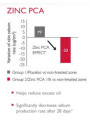
Zinc PCA
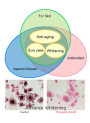
Zinc Oxide 35nm Liquid

Purified Water, TDS Limit 1PPM)
Glycyrrhetinic acid (Enoxolone)
Mild Preserved Eco™ (Preservative-Free)

SPF Protect Ultra™ II
Phospholipid

LipidSoft™ F (Ethyl Linoleate)
Ectoine (Ectoin, from Bio-fermentation)
WaterGuard™ Spray
SelectSorb™ (High Oil Absorption PMMA)
Glycerin Gel (Glyceryl Polyacrylate)
Hexylene Glycol

Phytosphingosine (90% Purity)
PMMA Booster (Color Booster)

4D Hyaluronic Acid
ActiveProtec™ UV